Who should take this into account?
When choosing chocolate-coated biscuits, your decision depends on the specific allergen you avoid, not just the type of chocolate shown on the front.
People avoiding a specific allergen
The biscuit, any filling and the chocolate coating all contribute to the ingredients list. Check it for the allergen that matters to you, and also look for any warnings about possible cross-contamination. For example, Verkade lists both the allergens present in Chocorondjes Milk Chocolate and a separate ‘may contain’ warning.
People avoiding cereals containing gluten
Look for the specific cereal named rather than relying on the general product name. The Netherlands Food and Consumer Product Safety Authority states that the cereal must be clearly identified for cereals containing gluten; the Lotus Biscoff chocolate varieties described list wheat.
People ordering online
A product page can help you shortlist options, but the packaging you receive is the source of the ingredient and allergen information for that product. Albert Heijn warns that online product information may change; if information is missing or contradictory, check the packaging.
What should you look for when choosing?
Start with the allergen you need to avoid, then consider possible cross-contamination. Online information, portion sizes and where to shop are only useful once the information on the current packaging meets your requirements.
| What to consider |
What to check when buying |
Who it matters to |
| Allergen as an ingredient |
Read the full ingredients list on the packaging. For cereals, check which type is named, and check the chocolate variety for the allergens you avoid. |
If I need to rule out an allergen in the ingredients, the flavour name doesn’t give me the answer. An estimated 36% of consumers are primarily concerned about allergens present as ingredients. |
| Possible cross-contamination |
As well as checking the ingredients, look for a warning such as ‘May contain X’ and check which allergen it refers to. |
Even if my allergen isn’t an ingredient, a warning about possible cross-contamination may determine my choice. An estimated 29% of consumers prioritise this warning. |
| Up-to-date product information |
When ordering online, compare the packaging you receive with the product page. Don’t rely on an image or dietary claim to resolve conflicting information. |
When I order online, I want to be able to check the information on the product I receive before using it. An estimated 21% of consumers are primarily concerned about how up to date this information is. |
| Packaging and where to shop |
Only compare pack sizes and sales units once the allergen information is suitable for you; check the label again whenever the packaging changes. |
Once the allergen information is right for me, I look for packaging and a place to shop that work for my purchase. An estimated 14% of consumers primarily consider this. |
Brands and retailers for reference
These examples show the information you may find for specific chocolate-coated biscuits; a brand or retailer name alone says nothing about whether a different variety is suitable.
Verkade
Verkade offers products including Chocorondjes Milk Chocolate and Nizza Coconut Milk Chocolate, with ingredient information available online.
- The product information for Chocorondjes also mentions the possible presence of egg, peanuts, hazelnuts, almonds and soya.
- According to Verkade, the varieties described contain wheat and milk; check each variety against its own packaging.
Lotus Biscoff
Lotus Bakeries describes speculoos biscuits with chocolate, and supermarkets also provide product information for some varieties.
- The information for the chocolate variety described explicitly lists wheat, milk and soya.
- A reference to dark chocolate or a dietary claim on a retailer’s website is no substitute for checking the ingredients.
Albert Heijn
Albert Heijn provides online ingredient, allergen and packaging information for some chocolate biscuits.
- A product page can help you compare varieties before buying.
- Albert Heijn warns that ingredient, nutritional and allergen information may change, and advises customers to read the packaging.
Jumbo
Jumbo lists ingredients, allergens and pack sizes for some chocolate biscuits.
- The Lotus Biscoff page described lists milk, soya and wheat, among other ingredients.
- The same page includes a vegan claim alongside milk ingredients. Don’t use conflicting information like this as a definitive allergen check.
Lidl
Lidl stocks chocolate biscuits, but seeing a product online doesn’t mean an allergen list is available.
- With the exact product details, you can check the packaging in store or request information.
- Lidl Nederland Customer Care says there is no online list of ingredients, allergens or nutritional values for food products.
Related products at Joybuy
These products include chocolate-coated biscuits and a related chocolate-coated wafer. Compare them as possible purchase options, not as products that are suitable for a particular allergy without checking first.
 No image available
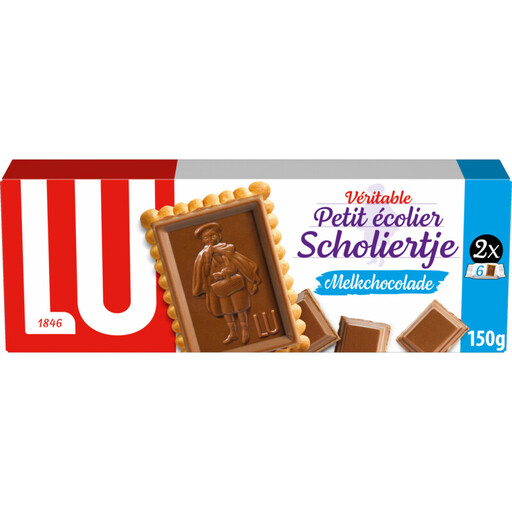
Lu Scholiertje milk chocolate biscuits, 150 g
An option to consider if you’re looking for a milk chocolate biscuit. If you have an allergy, check the ingredients and any warnings on the current packaging; the product name alone isn’t enough.
View at Joybuy
 No image available
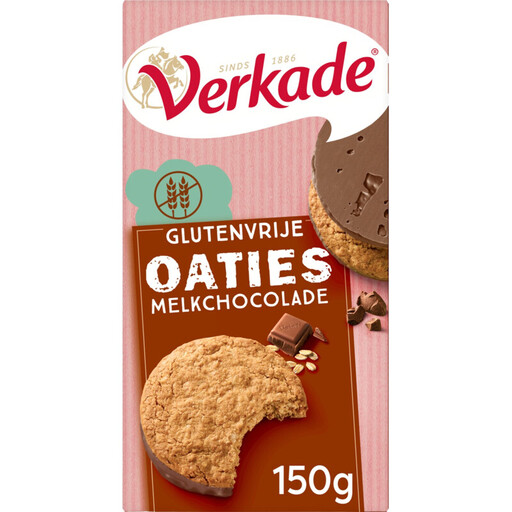
Verkade Gv Oaties milk chocolate, 150 g
An option to compare if you’re looking for a milk chocolate biscuit. Don’t assume that ‘Gv’ or ‘Oaties’ means it’s suitable for you: check the label on the exact pack for cereals, other allergens and any warnings that matter to you.
View at Joybuy
 No image available
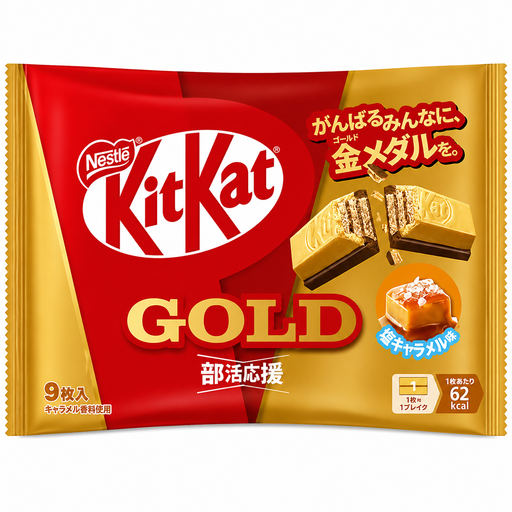
KitKat Gold wafer with chocolate and salted caramel flavour, 9 pieces
An alternative to consider if you’re also thinking about a chocolate-coated wafer; it isn’t a biscuit. Before eating it, read the ingredients and any warnings on the packaging for this variety.
View at Joybuy
Frequently asked questions
Where can I find allergens on a Dutch label?
For a prepacked food, check the ingredients list, where allergens must be clearly identified. The Netherlands Food and Consumer Product Safety Authority lists 14 allergens that must be declared; for cereals containing gluten, the specific cereal named is also important.
Is a biscuit with dark chocolate automatically milk-free?
No, the type of chocolate alone doesn’t tell you. For the speculoos variety with dark chocolate described here, Lotus Bakeries also lists milk ingredients, so check the ingredients for the exact variety.
What should I do with a ‘May contain X’ warning?
Consider this warning separately from the ingredients list: it relates to possible presence through cross-contamination. Check which allergen is named, and base your choice on the information on the current packaging and your own requirements.
Can I rely on allergen information on an online shop?
Use an online shop to shortlist options, but check the packaging of the product you receive before using it. Albert Heijn warns that online ingredient and allergen information may change; if information is missing or contradictory, a product photo is no substitute for the label.
How do I check unwrapped biscuits at a counter?
Ask for allergen information about the specific biscuit before buying. The Netherlands Food and Consumer Product Safety Authority says that sellers must also be able to provide information about 14 allergens for unpackaged food; don’t rely on its appearance or name alone.


