A chocolate biscuit bar can be a handy snack on a bike ride, but you don’t necessarily need one to improve your performance: according to the Netherlands Nutrition Centre, most athletes don’t need sports bars. On a long, intense ride, what matters most is how many carbohydrates you actually eat per portion. Also check the fat content, allergens and whether the packaging is easy to carry.
Who might find a bar handy on the go?
Cyclist planning a long ride
During prolonged, intense exercise, you’ll want to know how many carbohydrates a bar adds to your eating and drinking plan. The Netherlands Nutrition Centre explains when carbohydrate intake may be relevant during endurance exercise; that doesn’t mean any sweet bar is an equivalent substitute for sports nutrition.
Solo cyclist taking one snack
For a break or a leisurely ride, you’ll want a portion that’s easy to take with you. Check whether each portion is individually wrapped: a large bar or multipack doesn’t automatically count as one ready-to-eat portion.
Cyclist who checks ingredients carefully
If you have an allergy or a sensitive stomach, the current label and your own tolerance matter more than the product name. The products reviewed list ingredients including milk, wheat and soya; according to the Netherlands Food and Consumer Product Safety Authority, allergen information must appear on the label.
What should you look for when choosing one?
First decide whether you’re looking for something to enjoy during a snack break or planning fuel for a long, intense ride. Then check how much you’ll actually eat, rather than looking only at the nutritional values per 100 g.
| What to consider | What to check before buying | Who it matters to |
|---|
| Carbohydrates per portion |
Check the carbohydrate content for the amount you’ll actually eat, and factor in the rest of your food and drink when planning your ride. For endurance exercise lasting 1 to 2.5 hours, the Netherlands Nutrition Centre recommends 30 to 60 g of easily absorbed carbohydrates per hour. |
If I’m cycling for a long time at high intensity, I want to know what one portion adds to my plan. This carbohydrate question comes first for around 44% of consumers. |
| A portion to take on the go |
Compare the portion weight with the packaging: a resealable bar, multipack and individually wrapped snack each require different preparation. |
For a break, I want to take one portion with me without having to split up a large pack. For around 33% of consumers, a handy portion is the top priority. |
| Allergens and tolerance |
Check the current allergen information and ingredients. Also look at the fat content if you plan to eat before or during your ride. |
If I need to avoid certain ingredients or have a sensitive stomach during exercise, I want to assess the bar carefully beforehand. This is the first thing around 23% of consumers look at. |
Common mistakes
-
Planning a bar as sports nutrition for every ride
According to the Netherlands Nutrition Centre, most athletes don’t need sports bars. A snack for a short or leisurely ride serves a different purpose from getting carbohydrates during prolonged, intense exercise.
First consider how long and how intensely you’ll be cycling. Take a chocolate biscuit bar on a short ride because you fancy one, not because it’s essential for your performance.
-
Confusing the whole pack with one portion
Albert Heijn lists a 58 g portion for its chocolate caramel biscuit product, with 62 g of carbohydrates per 100 g. For its 100 g Milka Choco-Biscuit bar, Jumbo also lists a smaller portion of 16.7 g, containing 10 g of carbohydrates.
Work out the amount you’ll actually eat on the go. Check whether the stated portion matches an individually wrapped piece or just part of a larger bar.
-
Trying a new, high-fat bar just before exercise
The Netherlands Nutrition Centre advises against large portions and products high in fat, protein or fibre just before exercise. The chocolate biscuit products reviewed vary in composition, so the portion you choose matters.
Try a new bar during a leisurely ride or a break first, rather than for the first time just before a long ride.
-
Assuming chocolate biscuits are suitable if you have an allergy
The products reviewed list ingredients including milk, wheat and soya; other ingredients or warnings may also apply to individual products.
Before eating, read the label on the pack you’re buying, including the allergen information and any warning about the possible presence of other allergens.
Relevant brands and product ranges
Albert Heijn
AH chocolate caramel biscuit bars are an example of a multipack with portions stated in advance.
- Albert Heijn lists 5 × 2 portions of 58 g, with individually wrapped portions. The label states 62 g of carbohydrates per 100 g.
- The label also states 25 g of fat per 100 g. Check the current packaging for milk, wheat and soya, and consider whether the portion suits your ride.
Verkade
The Choco Biscuitreep Karamel is a larger bar to divide up, rather than a pre-portioned snack for a bike ride.
- Jumbo lists this Verkade bar as 225 g, with nine portions of 25 g.
- You’ll need to decide how much to take with you. Check the packaging for ingredients including egg, milk, wheat and soya, as well as warnings about nuts and peanuts.
Milka
Choco-Biscuit is a resealable bar for anyone who wants to choose their own portion.
- Jumbo lists a 100 g bar; the nutritional information gives 10 g of carbohydrates for the stated 16.7 g portion.
- A resealable pack doesn’t divide the bar into portions for you. Check how much you eat and read the current allergen information.
Lotus Biscoff / TREK
TREK High Protein Lotus Biscoff is a protein bar with Biscoff flavour, not a traditional chocolate biscuit bar.
- Albert Heijn lists 23 g of carbohydrates and 29 g of protein per 100 g for this product. Compare the product type and portion when looking at bars for different eating occasions.
- The Biscoff flavour doesn’t tell you whether it’s suitable as a source of carbohydrates during a ride. Check the current packaging for wheat, soya and any other allergen warnings.
Bars, wafers and biscuits at Joybuy
These products come in a range of formats: a bar with biscuit pieces, smaller wafers, a chocolate biscuit bar and chocolate biscuits. Choose based on the portion you want to take with you; not every product is an individual chocolate biscuit bar.
 Image unavailable
DPB Hershey Cookies n Crème, 24 × 90 g
The pack size may suit you if you want to take a bar on individual bike rides. Check whether each 90 g bar is individually wrapped, and read the nutritional information and allergen details on the packaging.
View at Joybuy
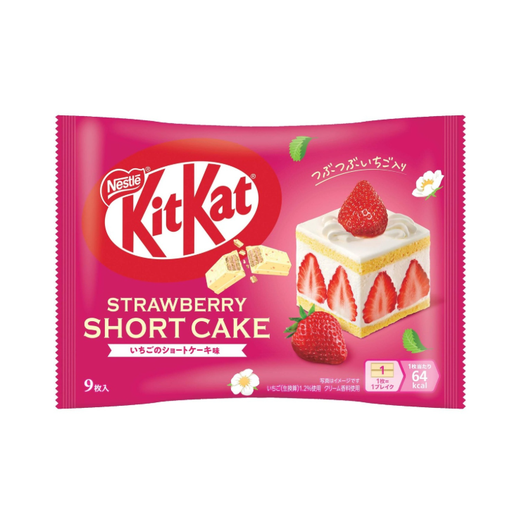 Image unavailable
Nestle Kitkat Strawberry Short Cake, 9 pieces, 104.4 g
If you want to eat one piece during a break, the amount per piece matters more than the total weight of 104.4 g. Check the packaging and nutritional information per portion before adding a piece to your ride plan.
View at Joybuy
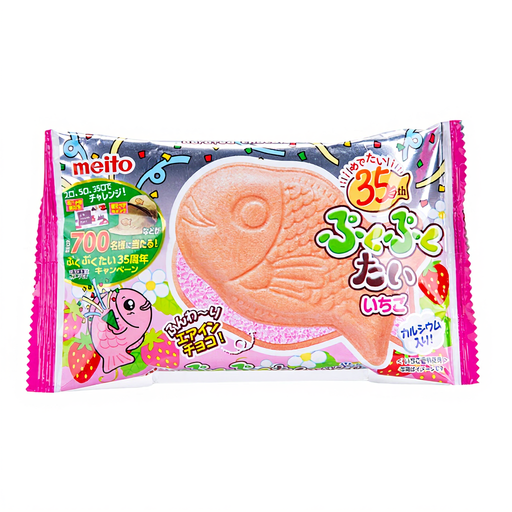 Image unavailable
Meito Pukupukutai Chocolate Strawberry Wafer, 16.5 g
A 16.5 g pack makes a smaller snack for a break. This is a wafer, not a traditional biscuit bar; check the nutritional information per pack if the carbohydrate content matters for your ride.
View at Joybuy
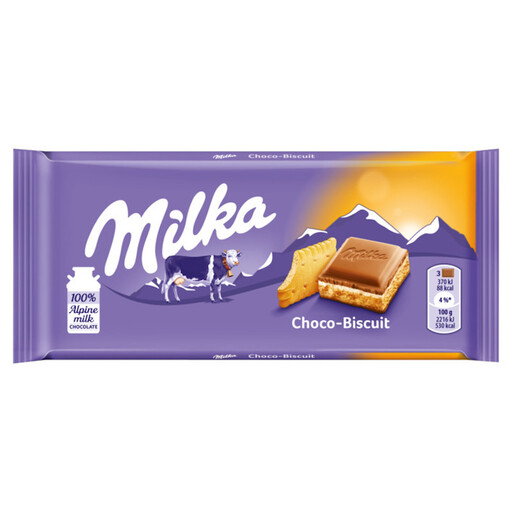 Image unavailable
Milka Choco-Biscuit, 100 g
This resealable bar is handy for a break when you want to measure out your own portion. Jumbo lists 10 g of carbohydrates per stated 16.7 g portion; per 100 g, the label gives 61 g of carbohydrates and 29 g of fat. The portions aren’t individually wrapped, so keep an eye on how much you actually eat.
View at Joybuy
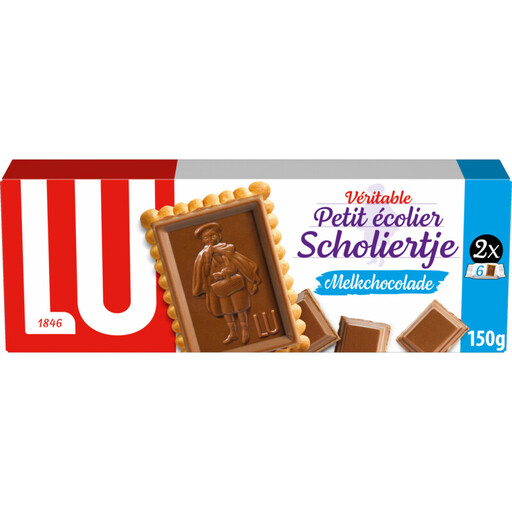 Image unavailable
Lu Scholiertje Milk Chocolate Biscuits, 150 g
These milk chocolate biscuits make a handy snack for a break if you choose how many to take from the 150 g pack. Check the weight of your portion and the nutritional information for it if you’re planning your carbohydrate intake for the ride.
View at Joybuy
Frequently asked questions
Do I need a chocolate biscuit bar for every bike ride?
No, you don’t need a bar to improve your performance on every bike ride. According to the Netherlands Nutrition Centre, most athletes don’t need sports bars; carbohydrate intake during exercise may become relevant during prolonged, intense activity. For a short ride, you can simply think of a bar as a snack.
What should I look at when planning carbohydrates for a long ride?
Check the carbohydrate content in the portion you’ll actually eat, along with the rest of your food and drink. For endurance exercise lasting 1 to 2.5 hours, the Netherlands Nutrition Centre recommends 30 to 60 g of easily absorbed carbohydrates per hour as an amount that may help improve performance; that doesn’t mean every chocolate biscuit bar is automatically suitable.
Why should I check the ingredients just before cycling?
A large portion or a product high in fat, protein or fibre may not sit well just before exercise. The Netherlands Nutrition Centre advises taking this into account at that point. It’s best to try a new bar during a leisurely ride or a break first.
Can I rely on the product name for allergen information on chocolate biscuit bars?
No, read the allergen information on the current packaging. The Netherlands Food and Consumer Product Safety Authority explains that 14 allergens must be listed; the products reviewed vary in ingredients and warnings about the possible presence of other allergens.


