
Vandaag of morgen in huis

Kwaliteit gegarandeerd

Welkomstaanbiedingen ontgrendelen: GRATIS bezorging | Tot 80% korting | Gratis 30 dagen JoyPlus-proefperiode
Download de app
Chocolate bars might seem simple to compare. Yet packaging and marketing can make the choice trickier. A large bar isn’t automatically better value, a high cocoa percentage doesn’t tell you everything about the flavour, and a striking filling can contain allergens you wouldn’t immediately expect.
With this practical guide, you’ll focus on what really matters when it comes to chocolate bars: flavour type, composition, size, nutritional information and when you’ll be eating it.
A chocolate bar weighing 180 or 200 grams is handy for sharing, but less suitable if you’re after a small chocolate snack. What’s more, with a large tablet it isn’t always clear how many portions you’ll get. For individual use or as a chocolate gift, a size of 90 to 150 grams can be more practical.
So don’t just look at the price on the packaging – also check:
“Praline”, “caramel”, “crème brûlée” or “matcha” sounds clear enough, but the ingredients list shows how much of that flavour is actually in the product. For example, according to the product information, Côte d’Or BonBonBloc contains 25% praline and 20% soft caramel. Tony’s Chocolonely Milk Caramel Sea Salt states 10% caramel pieces and 0.5% sea salt.
With speciality chocolate bars, it’s therefore wise to check the percentages of fillings and additions. That way, you avoid buying a bar that mainly tastes sweet when you were expecting a pronounced filling.
Milk chocolate, dark chocolate and white chocolate don’t just differ in colour. Dark chocolate generally contains more cocoa solids and often has a more intense, less sweet flavour. Milk chocolate contains milk solids and is usually creamier. White chocolate is mostly made up of cocoa butter, sugar and milk solids; the packaging therefore states the percentage of cocoa solids, but that isn’t the same as a percentage of cocoa mass.
If in doubt, always check the product description and the label. According to the product information, Tony’s Chocolonely Pure 70% Dark Chocolate contains at least 70% cocoa solids, while another listing on the same product page mentions a different percentage. The packaging of the product you receive is therefore the deciding factor.
First, decide what you’re looking for:
Also pay attention to the shape. A classic tablet is good for slow eating and sharing. Individually wrapped pieces, as found in some snack packs, are more convenient for on the go or for a group.
Always check the allergen information before you buy. The range includes milk, soya, hazelnuts, almonds, peanuts, egg, wheat and gluten, among others.
Examples:
If you have an allergy or intolerance, don’t rely solely on the product name or the front of the packaging. Check the current label and the warning about cross-contamination.
Chocolate bars are intended as a treat. So compare the nutritional value per 100 grams, not just the amount per portion. In the product information provided, the values range from around 432 to 583 kcal per 100 grams. The sugar content also varies by recipe.
Store chocolate bars according to the product information:
For international products, also check the best-before date on the packaging. For some Japanese products, such as KitKat Matcha, a shorter remaining shelf life is explicitly stated.
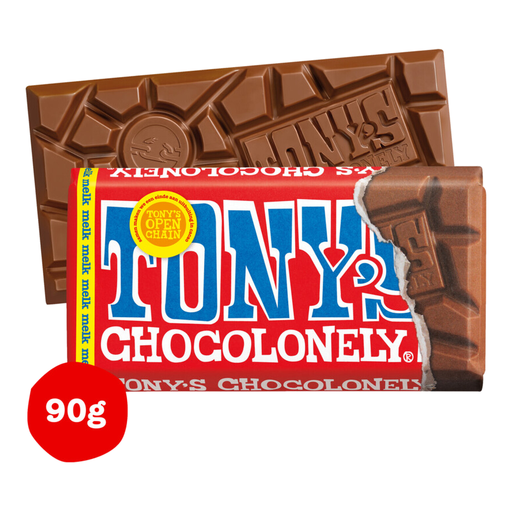
Why this fits the profile: The 90-gram size is manageable for a first purchase, a small treat or sharing between two. According to the product information, the bar contains at least 32% cocoa solids.
The classic milk chocolate flavour prevents surprises from a complex filling. The weight makes it easy to compare with larger chocolate bars.
90 g; milk chocolate; at least 32% cocoa solids; contains milk and soya.
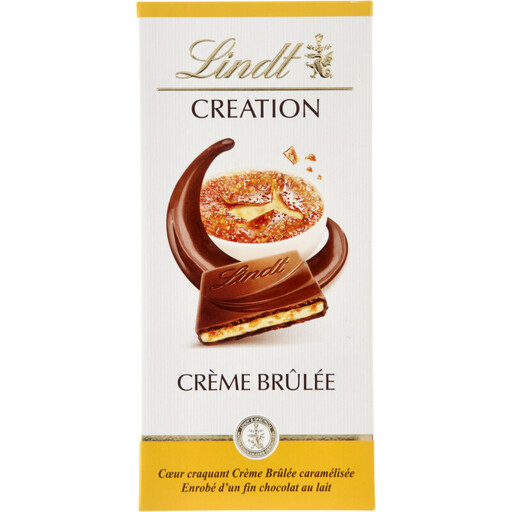
Why this fits the profile: The dessert-inspired crème brûlée recipe offers more variety than a standard tablet and suits a coffee moment or a chocolate gift.
The product information clearly states the recipe and allergens. This allows you to weigh up the dessert filling against the presence of milk, wheat, gluten, soya and possible nuts.
150 g; milk chocolate; crème brûlée filling; suitable for sharing.
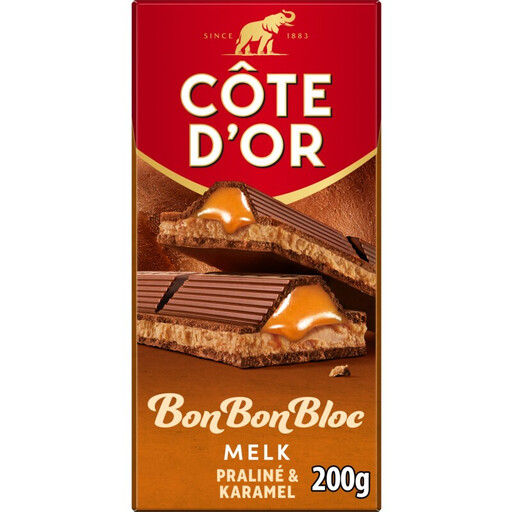
Why this fits the profile: The 200-gram size is practical for a family, guests or an evening when the bar is divided into several pieces.
The stated percentages make the filling verifiable: 25% praline and 20% caramel. This means you know in advance that it’s a filled chocolate, not a standard tablet.
200 g; 25% praline; 20% soft caramel; contains milk, hazelnut, soya and nuts.
We’ve put together a full, up-to-date list of products that fully meet these strict selection criteria and comply with current European safety regulations.
Look for a size of around 150 to 200 grams, or a pack with individual portions. Tony’s Chocolonely Milk Hazelnut at 180 grams, Côte d’Or BonBonBloc at 200 grams and Nestlé Mini Smarties with 18 individual bags are practical options for several people.
Store the bar in a cool, dry place, out of direct sunlight and away from heat sources. Seal an opened pack well. Always check the best-before information on the packaging, especially for imported Japanese chocolate and other international products.
Not automatically. A higher cocoa percentage often goes hand in hand with a more intense flavour and less sugar, but recipes vary. So compare the cocoa percentage and the nutritional value per 100 grams. With dark chocolate, also watch out for possible allergens; some products may contain milk, nuts or gluten according to the label.
