
Vandaag of morgen in huis

Kwaliteit gegarandeerd

Welkomstaanbiedingen ontgrendelen: GRATIS bezorging | Tot 80% korting | Gratis 30 dagen JoyPlus-proefperiode
Download de app
When buying chocolate bars online, you will quickly come across dozens of varieties. Dark chocolate, milk chocolate, white chocolate, Belgian chocolate, and bars with nuts or caramel differ in more than just flavour. The cocoa percentage, sugar content, weight and allergen information also determine whether a product is right for you.
A stylish wrapper or a well-known brand name does not tell you everything. This practical guide helps you focus on the details that really matter on the label and in the product description.
A bar containing 90% cocoa will generally taste stronger and less sweet than a bar containing 32% or 47% cocoa. That does not automatically mean every chocolate lover will enjoy the flavour. With dark chocolate, the difference between 70% and 90% can be very noticeable.
So pay attention to both the cocoa percentage and the ingredients list. A high percentage tells you about the proportion of cocoa solids, but not everything about the recipe, texture or balance of flavours.
At first glance, a 180 g bar may seem better value than a 100 g bar, but always compare the price per 100 g. The range includes chocolate 100 g, chocolate 150 g, chocolate 180 g and chocolate 200 g.
A larger bar is handy for sharing, but depending on the combination of fillings, nuts or caramel, it may also contain more sugar and calories per 100 g. So do not look only at the total price.
Chocolate with nuts may contain small pieces, but it could also include praline, nougat or caramelised nuts. Check how much of the ingredient is actually present. For example, Tony’s Chocolonely Milk Pecan Caramel lists 8% pecans, as well as caramel and biscuit pieces.
Also look out for warnings such as “may contain”. These are important if you have allergies. Always check the current packaging before buying, as recipes and labels can change.
Use the percentage as your first point of comparison, but read the ingredients list too. In some filled bars, sugar, vegetable fats or syrups appear at the top of the list.
Under European rules, major allergens must be clearly listed on the label. This selection includes milk, soya, gluten, hazelnuts, almonds, pecans, pistachios and egg, among others.
Examples:
If you have an allergy or intolerance, do not rely solely on the product name. Check the full allergen information on the product page and inspect the label again when your order arrives.
Nutritional values are usually shown per 100 g, making products easier to compare. Lindt Excellence bars are generally 100 g, while several Tony’s Chocolonely bars contain 180 g.
Store chocolate bars according to the product information in a cool, dry place, away from sunlight and heat or moisture. Reseal the packaging properly after opening. Chocolate that gets warm may develop a white bloom or break less cleanly, even if it is still within its best-before date.

Why it suits this profile: A straightforward 100 g bar with a clearly stated cocoa percentage, making it a good introduction to dark chocolate.
The format makes it easy to compare prices, while the cocoa information is clearly shown in the product name.
70% cocoa, 100 g and a short ingredients list featuring cocoa mass, sugar, cocoa butter and vanilla.

Why it suits this profile: Ideal if you are looking for a distinctive, less sweet chocolate flavour and enjoy pairing small pieces with coffee.
The high cocoa percentage is presented not as a health claim, but as a clear indication of flavour.
90% cocoa, just 7 g of sugar per 100 g according to the stated nutritional information, and a short recipe.
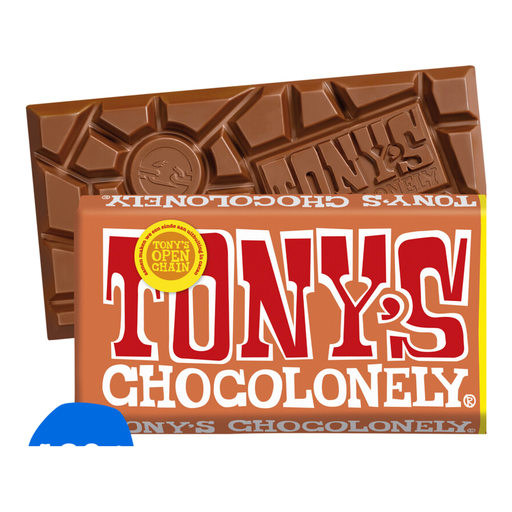
Why it suits this profile: The large bar is practical for sharing and combines milk chocolate with caramel and sea salt.
The product description states the weight, a minimum of 32% cocoa, 10% caramel pieces and 0.5% sea salt.
180 g, clear ingredient percentages and a size that makes it ideal for sharing with guests or enjoying during a film night.
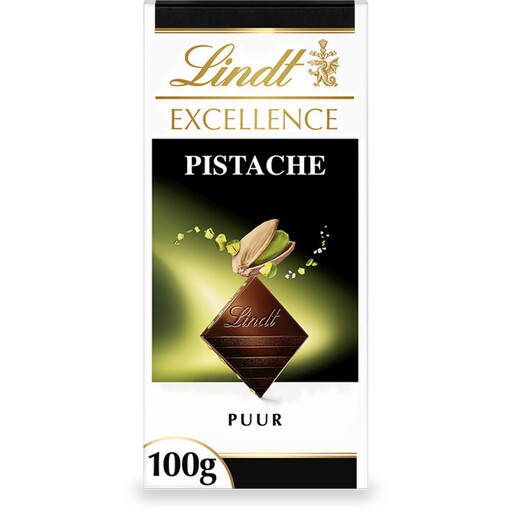
Why it suits this profile: A compact bar for anyone who enjoys combining dark chocolate with caramelised pistachios and sea salt.
The description specifies 10% caramelised pistachios and 0.15% sea salt, making the filling easy to assess.
At least 47% cocoa, pistachio pieces and a stated warning for nuts, milk, soya and sesame.
We have put together a complete, up-to-date list of products that fully meet these strict selection criteria and the applicable European safety regulations.
A bar containing around 70% cocoa is often a sensible stepping stone. It generally has a stronger flavour than milk chocolate, but is less intense than 90% dark chocolate. A variety with orange, caramel or nuts can also complement the cocoa flavour.
Always check the date on the packaging. Store the bar somewhere cool and dry, away from direct sunlight. Once opened, well-sealed packaging helps limit exposure to odours, moisture and loss of quality. With filled chocolate, the texture may change more quickly after opening.
Often they are, because they contain proportionally less sugar. Check the nutritional table for each product. Lindt Excellence 90%, for example, states 7 g of sugar per 100 g, while some milk chocolate and filled bars contain more than 40 g of sugar per 100 g. This difference says nothing about personal taste, but it does help you make a more targeted comparison.
