
Vandaag of morgen in huis

Kwaliteit gegarandeerd

Welkomstaanbiedingen ontgrendelen: GRATIS bezorging | Tot 80% korting | Gratis 30 dagen JoyPlus-proefperiode
Download de app
Chocolate bars may seem simple to choose, but they can vary considerably in flavour, size, ingredients and occasion. Are you looking for milk chocolate for home, a bar to share or a chocolate gift? Then relying solely on the brand name or packaging is not always the best approach.
Three pitfalls are particularly common:
The base has a major influence on the flavour:
A higher cocoa percentage does not automatically mean you will prefer the flavour. It mainly provides an objective point of comparison for the intensity of the chocolate.
Many chocolate bars contain between 90 and 200 grams. A 90 or 100-gram size is practical for one or several eating occasions. A 180 or 200-gram bar is better suited to chocolate for sharing, but it also requires you to pay attention to portion size.
Compare products per 100 grams, not just per portion. In the product information provided, for example, energy values range from 507 kcal per 100 grams for Côte d’Or BonBonBloc to 622 kcal for Lindt Lindor Milk Chocolate. Sugar content also varies: Smarties Mini states 62.5 grams of sugar per 100 grams, while Lindt Excellence 78% Cacao states 17 grams.
These figures are not a judgement on the flavour or suitability of a product. They can, however, help you make a choice that suits your preferences. Also consider the size of the pieces, whether there is a filling and whether the bar is individually wrapped.
Read the full ingredients list when buying chocolate for a family, visitors or as a gift. Common points to check include:
According to the product information, Toblerone contains milk, almonds, egg and soya. Lindt Excellence Dark Orange contains, among other ingredients, almonds and milk solids. If you have an allergy, the packaging takes precedence: product recipes and warnings about possible traces may change.
Also pay attention to storage. Most chocolate bars should be kept in a cool, dry place, away from direct sunlight and heat sources. Chocolate may soften or melt at high temperatures. The best-before information is shown on the packaging.
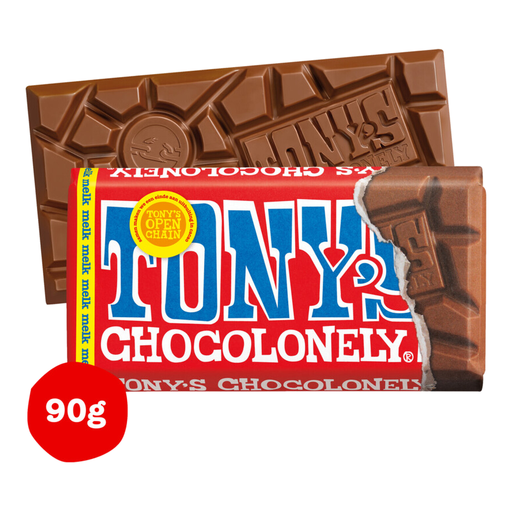
Why it suits this profile: The compact size is ideal if you want to try classic milk chocolate without immediately buying a large bar.
The 90 g weight is clearly stated, making it easy to compare the size with larger chocolate bars.
Belgian milk chocolate, at least 32% cocoa solids and a clear ingredients list.
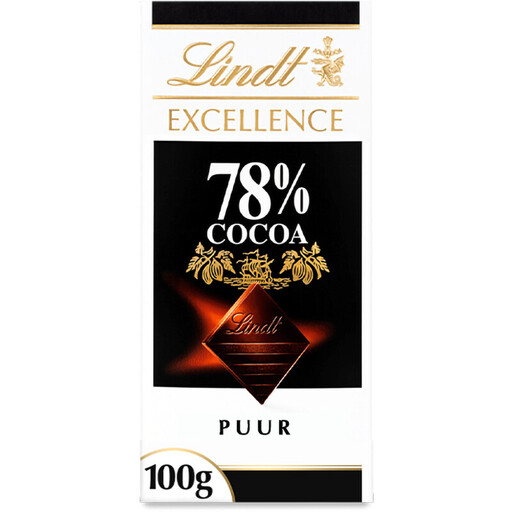
Why it suits this profile: A clear choice for anyone looking for a pronounced dark chocolate flavour and a high stated cocoa percentage.
A cocoa content of at least 78% is more specific than general terms such as intense or rich.
100 g, at least 78% cocoa and, according to the product information, 17 g of sugar per 100 g.
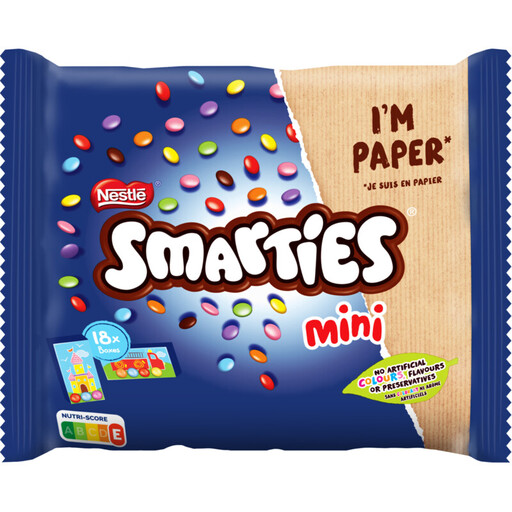
Why it suits this profile: The sharing pack with 18 individually wrapped mini packs is practical for families, children’s parties or serving in a bowl when guests visit.
The number of mini packs and the total weight are specified, so you can buy with several people in mind.
259 g in total, 18 individual packs and ready to hand out.
We have put together a complete, up-to-date list of products that fully meet these strict selection criteria and the applicable European safety regulations.
For a quiet moment with coffee, thin bars of dark chocolate such as Lindt Excellence 78% Cacao or Lindt Excellence Dark Orange are a good choice. If you prefer a softer flavour, try Lindt Lindor Milk Chocolate with its smooth filling.
For a birthday, visitors or a treat, Smarties, a larger Côte d’Or bar or Toblerone are practical choices. For a gift, an assortment can offer more variety. The Tony’s Chocolonely Chocolate Gift Pack contains six small bars, including dark chocolate, milk chocolate, nougat, caramel, hazelnuts and salted almonds. However, check the allergens in advance if several people will be eating them.
Store chocolate in a cool, dry place, away from direct sunlight and not next to a heat source. A well-sealed wrapper helps preserve the flavour and texture. Always follow the instructions on the packaging.
The date on the packaging indicates how long the manufacturer expects the product to retain its quality under the stated conditions. Once opened, the smell, flavour and texture may change more quickly. Therefore, check the best-before date and keep opened chocolate well sealed.
Milk chocolate contains milk solids and usually has a sweeter flavour. Dark chocolate contains more cocoa mass and often less sugar. White chocolate mainly consists of cocoa butter, sugar and milk solids, and contains no cocoa mass like dark chocolate. The exact composition varies by brand and recipe.
