
Vandaag of morgen in huis

Kwaliteit gegarandeerd

Welkomstaanbiedingen ontgrendelen: GRATIS bezorging | Tot 80% korting | Gratis 30 dagen JoyPlus-proefperiode
Download de app
Buying chocolate bars online might seem straightforward, until you have to choose between milk chocolate, dark chocolate, white chocolate, nuts, caramel or a chocolate gift set. Packaging often focuses on taste experience or sustainability, while important details like the cocoa percentage, allergens and weight are less prominent.
With this practical buying guide, you can compare chocolate bars using verifiable product information. That way, you can avoid a purchase that doesn't suit your taste, the occasion or your budget.
Tony's Chocolonely, Lindt chocolate, Milka chocolate and Côte d'Or are well-known names, but bars vary greatly within each brand. A 90g milk chocolate bar, for example, is not the same as a large 180g or 250g bar. Fillings such as caramel, praline or nougat also affect the ingredients list and allergen information.
Always compare:
Dark chocolate generally contains more cocoa solids than milk chocolate, but the percentage varies from product to product. Lindt Excellence 78% Cacao, for instance, states a minimum of 78% cocoa, whereas other dark bars may have a lower percentage. A higher percentage doesn't automatically mean the flavour will suit everyone – the bar can be more intense and less sweet.
So look at the percentage on the packaging, not just words like "dark", "pure" or "intense".
Chocolate with caramel and sea salt, chocolate with nuts and praline varieties are popular, but they often contain milk, soya, hazelnuts, almonds or other allergens. Even products without visible nuts may contain traces of nuts or gluten-containing cereals according to the product information.
If in doubt, always read the label on the packaging you receive. Product information and ingredients can change.
Use this classification as a practical starting point:
Don't just look at the type of chocolate – also check the order of ingredients. Ingredients on the label are typically listed from largest to smallest quantity.
A 90g or 100g bar is handy for a small treat or to add to a gift set. A bar of 180g or more is better suited for sharing, a film night or stocking up the cupboard. A chocolate gift set with several small bars gives recipients more choice, but isn't always cheaper per gram.
Also check the packaging. Some products have resealable packaging, as stated in the product description for Milka Mmmax Alpine Milk. That can be useful if you don't want to finish the bar in one go.
Check before you buy:
For Tony's Chocolonely products, the product information mentions Fairtrade. According to Tony's Chocolonely's own information, the company is also focused on traceable cocoa and driving change in the cocoa supply chain. Assess such sustainability claims based on the label and the brand's information; don't present them as a guarantee for every link in the chain.
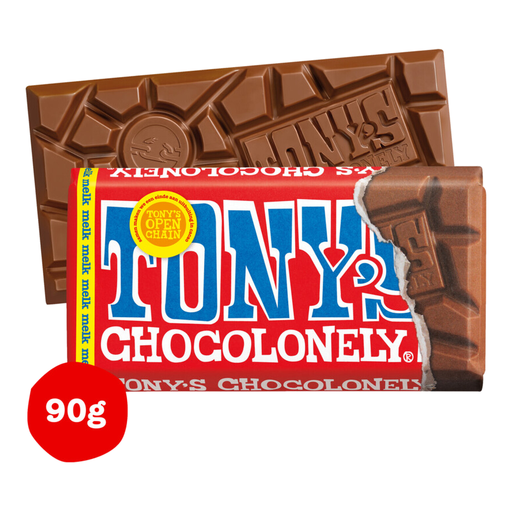
Why it suits this profile: A straightforward size for anyone wanting to try a classic milk chocolate bar without buying a large pack straight away.
The label clearly states 90g, a minimum of 32% cocoa solids and the allergens milk and soya.
Belgian milk chocolate, vegetarian according to the product data and a compact size.
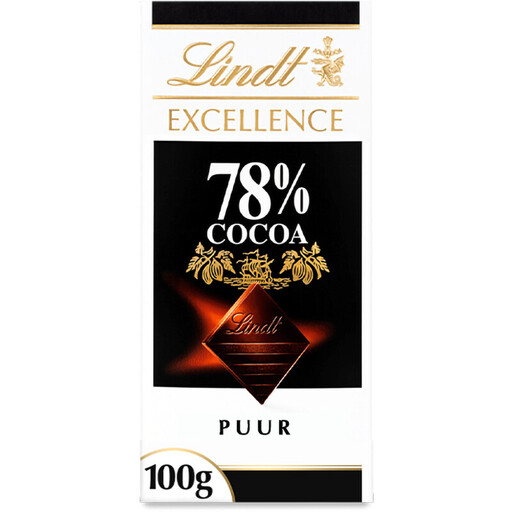
Why it suits this profile: Ideal for anyone looking for a pronounced dark chocolate flavour and a clearly stated cocoa percentage.
The percentage is clearly stated: a minimum of 78% cocoa. So you don't have to rely on vague terms like "intense".
100g, a minimum of 78% cocoa and a short ingredients list with cocoa mass, cocoa butter, sugar and milk fat.
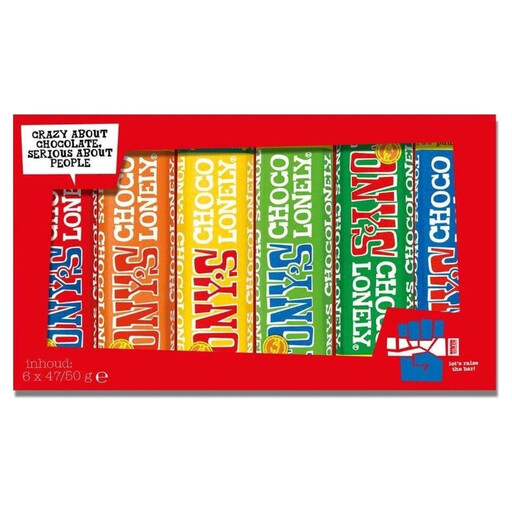
Why it suits this profile: Great for sharing, tasting or as a chocolate gift set where multiple flavours are wanted.
You're not stuck with just one flavour. According to the product description, the box contains six small bars including dark, milk, nougat, caramel and nut varieties.
288g total, suitable for sharing and, according to the product data, made with Fairtrade-traded ingredients.
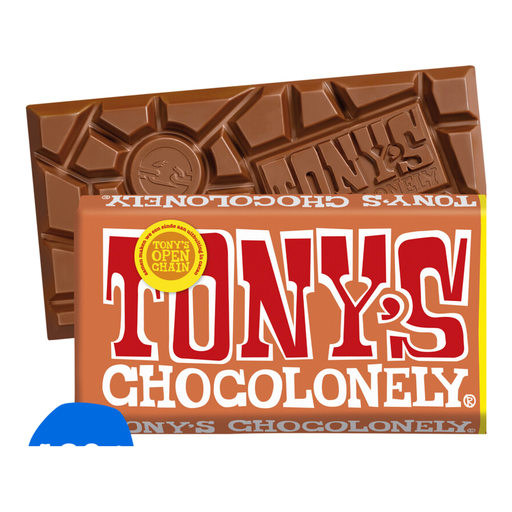
Why it suits this profile: A generous bar for anyone looking for milk chocolate with caramel pieces and a salty twist.
The product data specifically mentions 10% caramel pieces, 0.5% sea salt and a minimum of 32% cocoa solids.
180g, Belgian milk chocolate and a clear flavour profile with caramel and sea salt.
We've put together a full, up-to-date list of products that fully meet these strict selection criteria and comply with current European safety regulations.
That depends on the recipient. A chocolate gift set is practical when you don't know their exact taste. For one clear preference, you can choose a bar with milk chocolate, dark chocolate, caramel and sea salt or nuts. Always check the allergen information when giving chocolate as a gift.
Store chocolate in a cool, dry place, out of direct sunlight and away from heat sources. Room temperature is usually suitable. Seal an opened pack well to limit moisture and odour transfer. Always follow the storage advice on the packaging.
Compare the weight, the price per quantity, the cocoa percentage, the ingredients and the allergens. Also pay attention to the size: a large bar may seem good value, but it doesn't always suit the occasion. On top of that, check the best-before date on arrival and make sure the packaging is undamaged.
