
Vandaag of morgen in huis

Kwaliteit gegarandeerd

Welkomstaanbiedingen ontgrendelen: GRATIS bezorging | Tot 80% korting | Gratis 30 dagen JoyPlus-proefperiode
Download de app
Buying chocolate bars sounds simple, but the wide selection can make it difficult to compare your options. Are you looking for milk chocolate, white chocolate, a crispy wafer or an international flavour such as matcha? The packaging and product name don’t always tell you enough to make the right choice.
Three common pitfalls to watch out for:
With a few simple checks, you can choose with confidence, whether you’re buying for yourself, your family, as a treat or as a gift.
Don’t start with the front of the pack: check the ingredients list first. The order tells you which ingredients are present in the greatest quantities. Classic milk chocolate typically contains ingredients such as sugar, milk solids, cocoa butter and cocoa mass. If the product contains nuts, it’s worth checking the percentage listed.
For example, Milka Bar Broken Hazelnuts lists 9% hazelnut pieces. According to the product information, Toblerone Chocolate Bar Milk Almond Nougat contains 10% almond nougat, with 1.6% almonds listed in the ingredients. That gives you more information than simply seeing the words “with almonds” on the front.
Take extra care with international products and check for:
If you have an allergy, always check the label on the product you receive. Product information can change.
A 90, 100 or 200-gram chocolate bar is quite different from a multipack of individually wrapped portions. For a family or guests, chocolate to share can be more convenient when the pieces are wrapped separately.
According to the product description, the KitKat Mini Milk Chocolate Sharing Bag contains 17 individually wrapped minis, with a total weight of 284 grams. That makes it handy for a film night, a treat or a shared snack. A 180-gram bar, such as Tony’s Chocolonely Milk Caramel Seasalt, is a better choice if you’d like one large bar to break up and share.
So, compare the:
Chocolate is affected by heat, moisture and direct sunlight. Store bars in a cool, dry place, following the product information. Some Japanese snacks recommend keeping them below 28 °C. This is particularly worth bearing in mind on hot days or during delivery.
A white bloom on chocolate doesn’t necessarily mean it has gone off. According to the KitKat Gold product information, heat and subsequent cooling can cause the oils to separate, leaving a white surface. This may affect the taste. If you’re unsure, always check the packaging, smell and best-before date.
When you see terms such as “limited edition” or “special flavour”, focus on the details: weight, number of pieces, ingredients and allergens.
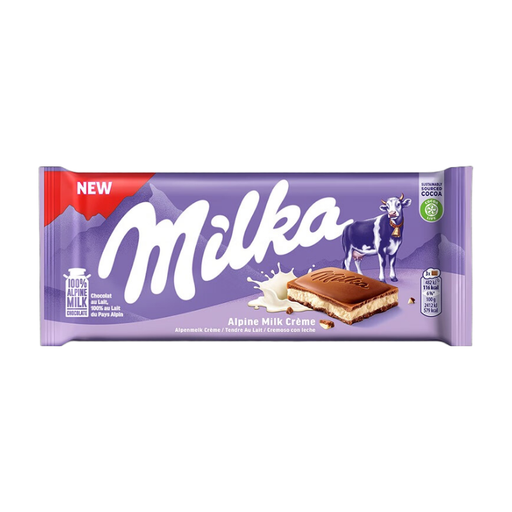
Why it suits this profile: A manageable 100-gram bar for anyone who wants to try white chocolate without buying a large multipack.
The weight and ingredients are clearly listed, so you can check the flavour and quantity before you buy.
100 grams, resealable packaging according to the product information, and a short ingredients list that identifies milk and soya as allergens.
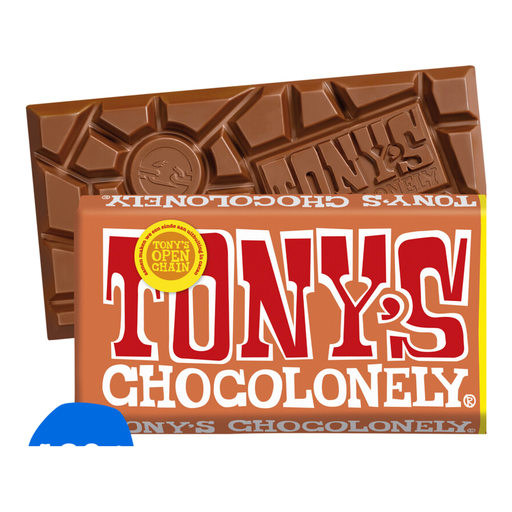
Why it suits this profile: For anyone looking for a larger bar of milk chocolate with caramel pieces and sea salt.
The product information lists 10% caramel pieces and 0.5% sea salt, making the flavour combination more specific than a marketing name alone.
180 grams, at least 32% cocoa solids according to the product description, and ideal for breaking up and sharing.
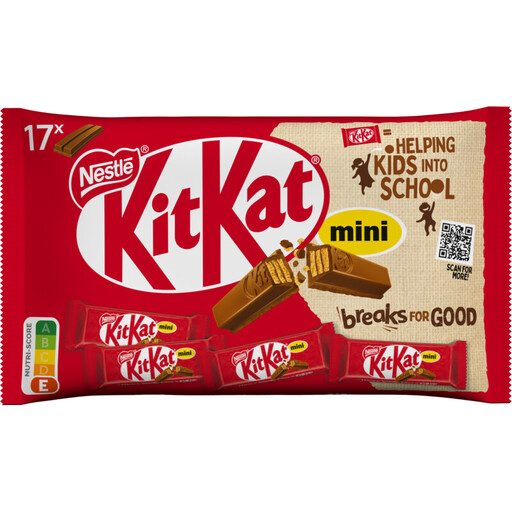
Why it suits this profile: Handy for families, office treats and any occasion when everyone wants to help themselves to a portion.
The multipack makes the number of portions clear: 17 individually wrapped minis. There’s no need to divide up a large bar yourself.
284 grams in total, individually wrapped, with a milk chocolate-coated wafer; the product information states that the cocoa is Rainforest Alliance certified.
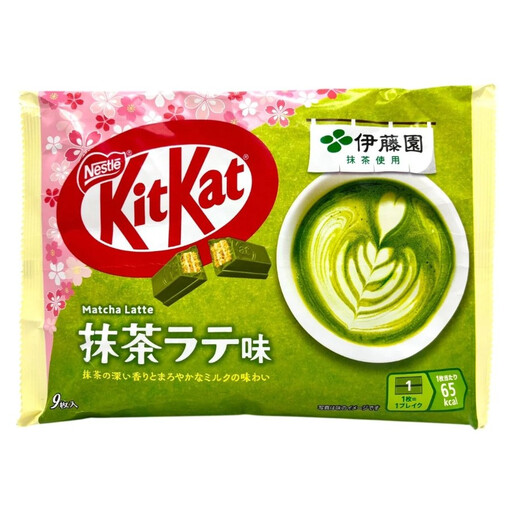
Why it suits this profile: A great choice if you’d like to enjoy Japanese chocolate and matcha in a smaller pack.
The product information specifically lists matcha as an ingredient and states that there are nine pieces, so you know what you’re buying.
A Japanese variety with matcha and a wafer texture; listed allergens include wheat, milk and soya.
We’ve put together a complete, up-to-date list of products that meet these strict selection criteria and comply with current European safety regulations.
Check the total weight and how the portions are divided. A sharing bag with individually wrapped minis is handy for several people. A large 180 or 200-gram bar is a good option if you’d rather portion the chocolate yourself.
Store chocolate in a cool, dry place, away from direct sunlight, heat sources and moisture. Follow the instructions on the packaging. Once opened, keeping it tightly sealed helps protect it from odours, moisture and loss of quality.
Check that the product page and packaging include the required ingredients and allergen information. If you’re unsure about milk, soya, gluten, peanuts or nuts, follow the information on the current label. Ingredients and portion sizes in Japanese and Korean chocolate can differ from what you’re used to.
