
Vandaag of morgen in huis

Kwaliteit gegarandeerd

Welkomstaanbiedingen ontgrendelen: GRATIS bezorging | Tot 80% korting | Gratis 30 dagen JoyPlus-proefperiode
Download de app
Buying chocolate seems simple, until you have to choose between milk chocolate, dark chocolate, white chocolate, pralines and all kinds of filled varieties. A large pack isn’t automatically better value, and eye-catching packaging tells you little about the taste, ingredients or suitability as a gift.
So, keep an eye out for these three common pitfalls:
With a few simple checks, you can choose the right chocolate for yourself, to share or as a gift.
Milk chocolate contains milk solids and usually has a creamier, sweeter taste. For example, Tony’s Chocolonely Milk Caramel Seasalt lists a minimum of 32% cocoa solids. The bar combines milk chocolate with 10% caramel pieces and 0.5% sea salt.
Dark chocolate contains no or fewer milk solids and often has a more intense cocoa flavour. Tony’s Chocolonely Pure Almond Sea Salt lists a minimum of 51% cocoa solids and contains 10% almonds. If you have a nut allergy, always check the current packaging, as the allergen information on the label is what matters.
White chocolate contains cocoa butter but no cocoa mass. Its flavour therefore centres on milk, sugar and vanilla notes. Tony’s Chocolonely White Raspberry Cracklesugar contains, among other ingredients, 2.7% raspberry and 2% popping candy.
Use the cocoa percentage as a point of comparison, not as a quality label. Also check the order of the ingredients and the filling.
A 180 g bar is handy for sharing, while a 100 g bar is better suited to a small personal treat. For a birthday, a visit or a thank-you, a box of individual pralines may be more practical than one large chocolate bar.
Consider the format:
Also check whether the packaging can be resealed and how the product should be stored. The product information for several items recommends storing them in a cool, dry place, away from direct sunlight, heat and moisture.
Always read the ingredients list and the allergens highlighted in bold on the packaging. Many products contain milk, soya, hazelnuts, almonds or cereals containing gluten. In a mixed assortment, such as the Mars Mini Chocolate Mixed Pack, recipes may vary between individual products.
Brands may make claims about sourcing, sustainability or how their products are made. According to Tony’s Chocolonely, the brand’s mission is to make 100% slave-free chocolate the norm. Guylian states in its own product description that 100% of its cocoa is sourced from Fairtrade producers. Treat these as product information provided by the brand and, if in doubt, check the packaging or an official source.
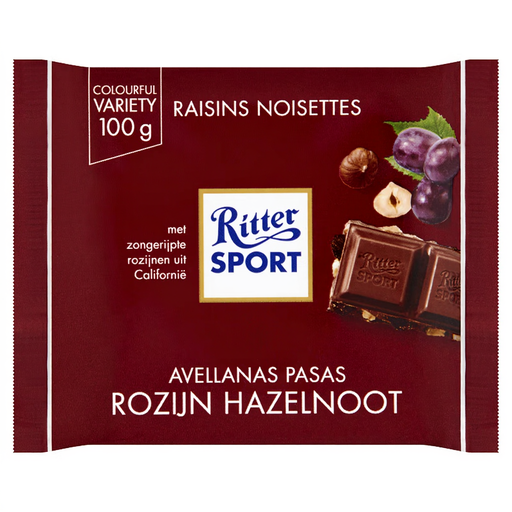
Why it suits this profile: A straightforward 100 g bar with a familiar combination of milk chocolate, raisins and hazelnuts. A good choice if you’d like to start with a classic flavour.
The weight and ingredients are clearly listed: 16% raisins, 7% hazelnuts and a minimum of 30% cocoa solids in the milk chocolate.
A classic flavour combination, a compact size and clear allergen information for milk, soya and hazelnuts.
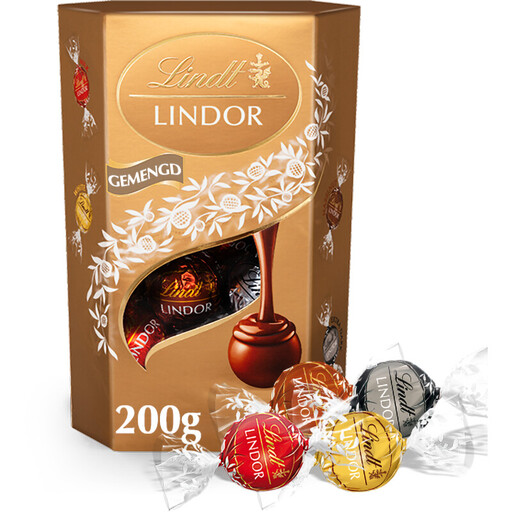
Why it suits this profile: An assortment of individually wrapped chocolate truffles in milk, hazelnut, white and dark chocolate. It’s a lovely choice as a thoughtful gift or for sharing with others.
The variety is clearly described, so you don’t have to rely on the box’s luxurious appearance alone.
200 g, several chocolate flavours and a filling that, according to the product description, melts softly in the mouth.
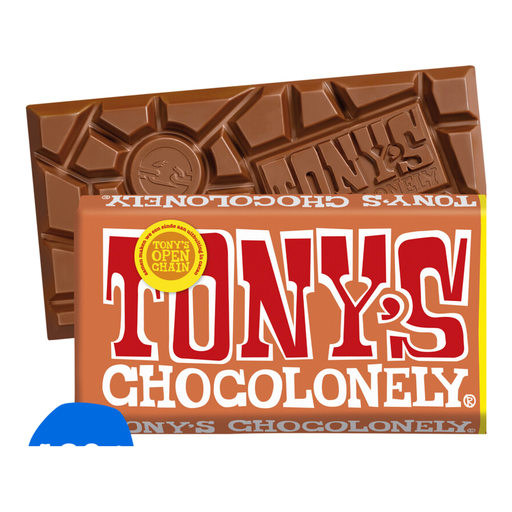
Why it suits this profile: This larger bar is ideal for sharing and combines Belgian milk chocolate with caramel and sea salt.
The product description gives the exact weight, a minimum of 32% cocoa solids, 10% caramel pieces and 0.5% sea salt.
180 g, a distinctive sweet-and-salty combination, and ideal as a chocolate snack or for sharing.
We’ve put together a complete, up-to-date list of products that meet these strict selection criteria and the applicable European safety regulations.
A box of pralines or chocolate truffles is usually a practical choice if you don’t know exactly what the recipient likes. A chocolate assortment featuring milk, dark and white varieties offers more choice. Just remember to check the allergens and best-before date first.
Follow the label instructions and store chocolate in a cool, dry place, away from direct sunlight, heat and moisture. Seal any opened packaging properly. You don’t usually need to keep chocolate in the fridge, and moisture and odours can affect its texture.
That depends on the weight, the price per 100 g and the number of individual portions. Compare these details before you order. A large pack is most useful if you want to share your chocolate or try several flavours.
