
Vandaag of morgen in huis

Kwaliteit gegarandeerd

Welkomstaanbiedingen ontgrendelen: GRATIS bezorging | Tot 80% korting | Gratis 30 dagen JoyPlus-proefperiode
Download de app
Buying snacks online may seem straightforward, but an appealing packet doesn’t always tell the whole story. If you choose based only on the flavour name, a discount or a large bag, you could end up with a product that’s too salty, goes soft quickly or isn’t suitable for an allergy.
Use this practical guide to check the information you can verify first. Then you can confidently buy crisps, buy nuts, compare crackers or choose from international and savoury snacks for home, on the go or to share with friends.
A 200g bag isn’t automatically better value than two smaller packets. Check the price per 100g and see how many portions are listed on the label. For example, Brets Salted Butter Chips lists around four 30g portions in a 125g bag. This makes it easier to compare than looking only at the total price of each bag.
A larger packet may also be less practical for snacks on the go. Once opened, the crisps can lose their crunch more quickly if the bag isn’t sealed properly.
Words such as “butter”, “cheese”, “barbecue” or “roasted chicken” mainly describe the flavour. They don’t automatically tell you how much of the named ingredient is present. Always check the ingredients list and allergen information.
Brets Salted Butter Chips contains ingredients including butter powder and buttermilk powder, and lists lactose and milk as allergens. Lay’s Big Wave Potato Chips with roasted chicken wing flavour lists soya and a source of phenylalanine due to aspartame. If you’re sensitive to certain ingredients, always check the current packaging.
Check product claims against the nutrition table. A snack may be relatively high in fibre, for example, but also high in salt, fat or sugar. So don’t use the front of the packet as your only selection criterion.
Please note: product information and packaging can change. Always check the ingredients, allergens and best-before date on the packaging you receive before eating the product.
In the Netherlands and the European Union, the main allergens must be clearly listed. In snacks, look out for:
Also look out for “may contain traces of” statements. These matter if cross-contamination is a concern for you. BENTO Mixed Seafood Snack Roasted Chili, for example, lists fish, squid, prawns, soya, peanuts and sesame. This makes it less suitable for anyone who needs to avoid these allergens.
Use the values per 100g to make a fair comparison. According to the product information, G’woon Cashew Nuts Roasted & Unsalted contains 596 kcal, 46.67g of fat and 0.067g of salt per 100g. The cashews are unsalted, but they’re still an energy-dense snack.
Lu Minicracker Salt lists 2.8g of salt per 100g. This may be worth bearing in mind if you’re serving several savoury snacks at once. Also consider portion size: a handful, an individual packet or the whole pack can make a difference in practice.
Small packets are handy for a lunchbox, train journey or working day. Oishi Bread Pan Buttered Toasted, for example, comes in a 42g pack, designed for an individual snack break. For sharing, crackers, cheese butterflies and roasted nuts are often easier to serve.
Check the storage advice too. Many dry snacks should be stored in a cool, dry place, away from direct sunlight. Seal the packet tightly after opening, and don’t use the product if the packaging is damaged.
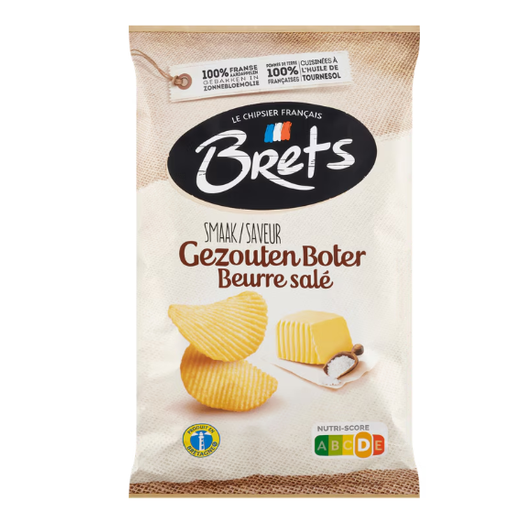
Why it suits this shopper: A manageable 125g bag with a familiar savoury flavour and around four listed portions.
The portion information helps you compare the actual quantity. The ingredients list includes butter powder and buttermilk powder, and lists milk as an allergen.
125g, around four portions and 1.5g of salt per 100g according to the product information.

Why it suits this shopper: A good choice if you’re after a simple nut snack with no added salt, for home, the office or sharing with friends.
Only one ingredient is listed: cashews. This makes the ingredients easy to check. However, remember to take note of the listed nut allergen.
200g, roasted and unsalted; the label lists 0.067g of salt per 100g.
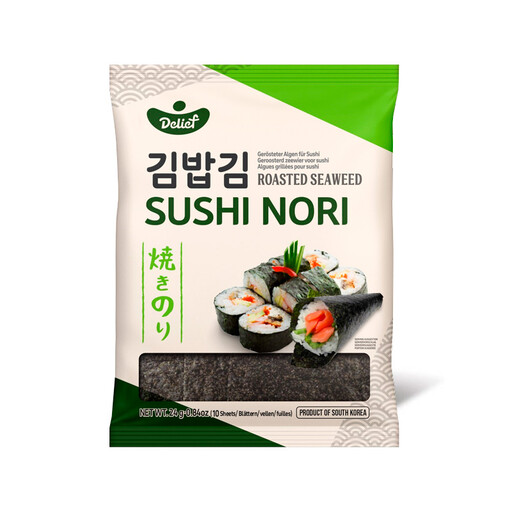
Why it suits this shopper: A handy option if you want to use seaweed snacks for sushi, rice balls or as an addition to a meal.
Its use is clearly described: ready to use for sushi or rice balls. The ingredients are roasted seaweed sheets and salt.
24g, from South Korea, and according to the product information, free from all 14 of the main EU allergens.
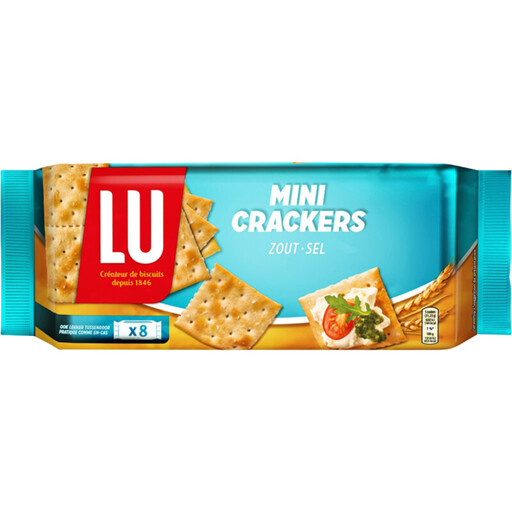
Why it suits this shopper: The pack contains eight individual packets of duo crackers, handy for a sharing table or several snack breaks.
The individual portions mean you don’t have to open the whole bag at once. The salt content of 2.8g per 100g is clearly listed.
250g in total, eight individually wrapped portions and a crunchy base for toppings or dips.
We’ve put together a full, up-to-date list of products that meet these strict selection criteria and the applicable European safety regulations.
That depends on the product price, delivery costs and packaging. Compare the price per 100g and check whether you can combine several products in one order. A larger pack is only better value if you use the snack within its recommended shelf life.
Open the product information and look for the ingredients and allergen list. Always check the packaging when your order arrives, as recipes or labels can change. Along with clearly listed allergens, look out for warnings such as “may contain traces of”.
Dry snacks should usually be stored in a cool, dry place away from direct sunlight. Seal opened bags tightly or use an airtight container. Crackers, crisps and seaweed snacks are especially likely to lose their crunch if they come into contact with moisture.
