
Vandaag of morgen in huis

Kwaliteit gegarandeerd

Welkomstaanbiedingen ontgrendelen: GRATIS bezorging | Tot 80% korting | Gratis 30 dagen JoyPlus-proefperiode
Download de app
Chinese instant noodles are ideal for a quick meal at home, in the office or on the go. However, packs can differ considerably in flavour, portion size, preparation method and ingredients. An eye-catching picture of beef or a name containing “premium” says little by itself about what is actually inside the pack.
Before buying Chinese instant noodles, pay particular attention to the following points.
In many instant noodles, the beef flavour comes from a seasoning mix, yeast extract, flavouring or prepared sauce. This is not the same as containing a substantial amount of beef. Check the ingredients list and the quantitative ingredients declaration, also known as QUID.
Some products do contain a separate beef sachet. Hefu noodles, for example, state that the beef sachet consists of 75% beef. Other varieties, including many classic beef-flavoured instant noodles, mainly use flavourings and soya products.
Spicy instant noodles can get their heat from chilli, chilli oil, Sichuan pepper, pickled chillies or Pixian bean paste. The intensity therefore cannot be reliably judged from the product name alone.
If you prefer milder food, start by using only some of the sauce or chilli oil. According to the product description, a Shanxi knife-cut variant uses chilli, Sichuan pepper, sesame and Pixian bean paste, among other ingredients. This suggests a distinctly aromatic and spicy flavour profile.
A 5-pack of noodles may contain 84-gram portions, but it may also consist of five portions weighing more than 120 grams each. Compare the total net weight and the weight per portion. For example, a pack of 5 × 121 grams contains 605 grams, whereas a 5 × 84-gram pack contains 420 grams.
Also consider the preparation method. A cup variant is convenient when you do not have access to a pan, while a packet variant may provide a larger portion and more control over the amount of water used.
With non-fried instant noodles, the dough is not dried by frying, according to the product information. This does not automatically mean that the complete dish is low in energy, fat or salt. Always check the nutrition table per 100 grams and, where available, per portion.
The product information supplied shows considerable variation. Wu Gu Dao Chang Spicy Beef lists 425 kcal and 16.5 grams of fat per 100 grams. Lamianfan Classic Braised Beef lists 397 kcal and 12.7 grams of fat per 100 grams. These figures are only properly comparable when you also take the portion weight into account.
The flavour of Chinese beef noodles is largely determined by how the sachets are divided:
For a classic, savoury bowl, braised beef noodles are a good choice. If you are looking for a fresher flavour, try sweet-and-sour beef noodles with vinegar, pickled chilli or pickled mustard greens. For a regional style, Lanzhou noodles with radish and chilli oil or wide Shanxi knife-cut noodles are interesting options.
Many packet varieties are ready in around three minutes with approximately 500 to 550 ml of water. A cup, such as Lamianfan Classic Braised Beef Noodles Cup, only requires boiling water and around three minutes to stand, according to the product description.
Check whether cooking is required, however. Some semi-dry noodles, such as the Hefu varieties, need to be boiled in a pan for several minutes. This makes them less suitable for a workplace without a hob, but practical for preparing at home.
Most products in this selection contain wheat or gluten, and often soya as well. Sesame is also frequently present. Check the packaging if you have a food allergy or intolerance.
The salt content also deserves attention. Lamianfan Tempting Spicy Beef lists 6.2 grams of salt per 100 grams. The Shanxi Knife-Cut Cup lists 7.8 grams per 100 grams. Use the nutritional information as a basis for comparison, and do not automatically add all the seasoning sachets if you want a less intense broth.
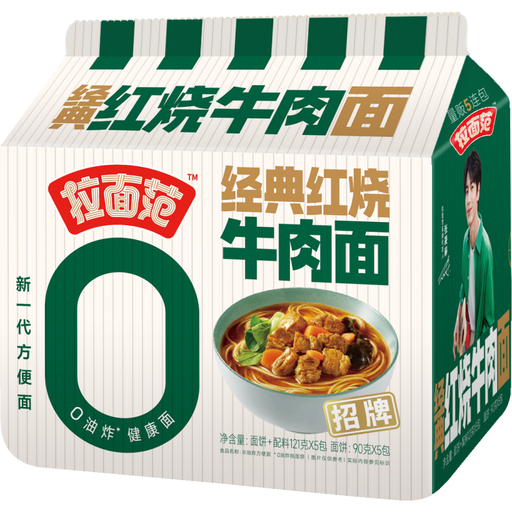
Why it suits this profile: A straightforward multipack with a classic beef flavour, suitable for home, student kitchens or the office.
The net weight is clearly stated as 121 grams per packet and 5 packets in total. The product description also lists the preparation steps and allergens.
5 individual portions, non-fried noodles according to the product information, and preparation with boiling water in approximately 3 minutes.
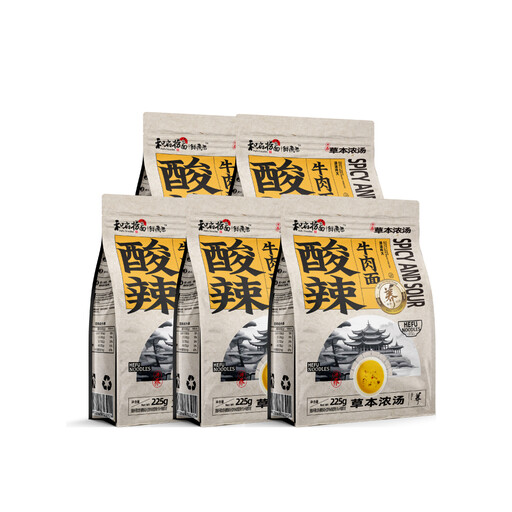
Why it suits this profile: For anyone looking for a larger meal with semi-dry noodles, soup, beef and pickled mustard greens in one pack.
According to the ingredients information, the product contains a separate beef sachet with 75% beef. The total weight is 1.125 kg, making the portion size clearly different from standard packets.
225 grams per portion, non-fried semi-dry noodles and a complete pack with beef and pickled vegetables.
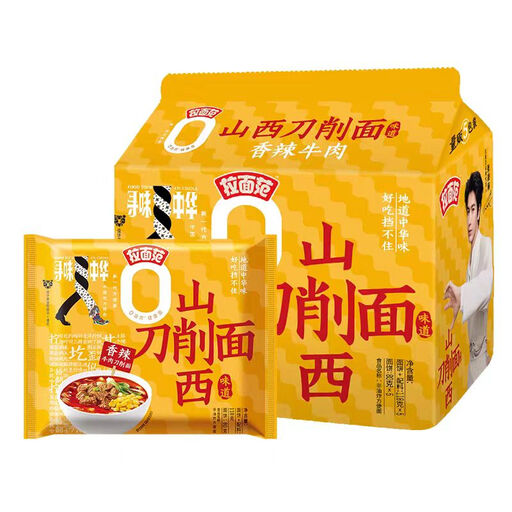
Why it suits this profile: For fans of broad, substantial noodles and a distinctly spicy, aromatic bowl with vinegar and Sichuan pepper.
The product information lists separate chilli, powder, vinegar and vegetable sachets. This allows you to adjust the flavour gradually, although the recipe remains distinctly spicy.
Wide knife-cut-style noodles, five portions and a pack containing sauce, powder, vinegar and vegetables.
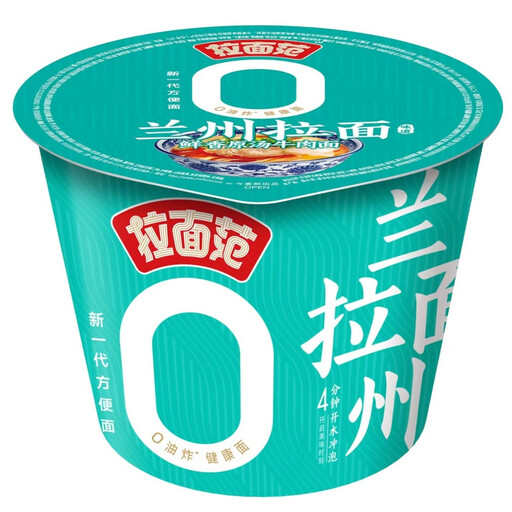
Why it suits this profile: The cup format is practical when you do not want to use a pan. The combination of broth, radish and chilli oil offers something different from standard ramen with beef soup.
The packaging states 120 grams and a preparation time of approximately 3 minutes. This makes the portion clear in advance, so you do not have to guess how much water is needed.
Cup preparation, dried radish, chilli oil and a non-fried noodle block according to the product description.
We have put together a complete, up-to-date list of products that fully meet these strict selection criteria and the applicable European safety regulations.
A packet of Chinese instant noodles is usually mainly a combination of noodles, broth and seasonings. You can easily enhance the bowl with:
If you have allergies, always check the packaging first. Many varieties contain wheat, soya and sometimes sesame, egg, peanuts or sulphites.
The best-before date is printed on the packaging. Store unopened noodles in a cool, dry place at room temperature, away from moisture and direct sunlight. Check the date with every stock-up order, particularly if you buy several 5-packs.
A cup is practical for the office or when you are out and about: simply add water and leave the noodles to stand. Packet varieties are often prepared in a pan and may offer a larger portion or firmer texture. So do not look only at the price per pack; also consider the weight per portion and the equipment required.
No. “Non-fried” describes the production method used for the noodle block, not necessarily the nutritional value of the complete meal. Compare the table for energy, fat and salt per 100 grams, and pay attention to the total portion weight. The sauce and soup sachets can account for a significant proportion of the nutritional values.
