
Vandaag of morgen in huis

Kwaliteit gegarandeerd

Welkomstaanbiedingen ontgrendelen: GRATIS bezorging | Tot 80% korting | Gratis 30 dagen JoyPlus-proefperiode
Download de app
If you want to recreate the authentic flavors of Chinese cuisine at home, a bottle of good Chinese vinegar is indispensable. But once you're in a specialty grocery store or shopping online, the selection can be overwhelming. The shelves are lined with bottles that all look the same at first glance. This often leads to two common purchasing mistakes:
This guide will help you avoid these pitfalls. We'll explain the key characteristics to look for, ensuring you find the perfect Asian vinegar for your dishes.
Before choosing a bottle, it's helpful to check two or three specifications on the label. These determine the vinegar's flavor and its intended use.
The flavor of a Chinese vinegar is largely defined by the grain it's made from. This is the most important distinction:
The origin, such as Zhenjiang, is often a protected geographical indication, which guarantees a specific production method and flavor profile.
Similar to wine or balsamic, the aging period has a major impact on the flavor.
To get you started, we've matched some popular choices with different cooking styles.
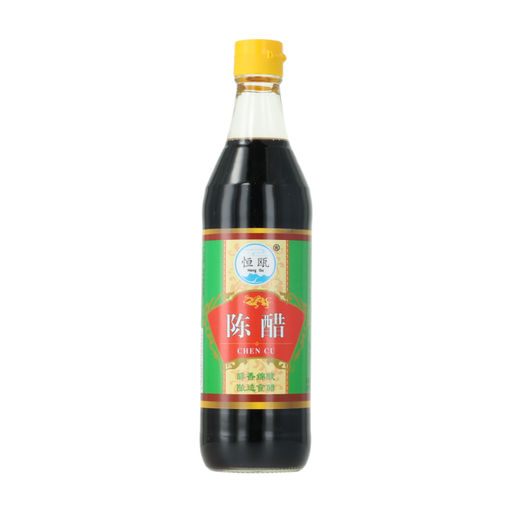
Why This Fits Their Persona: This is the classic choice for anyone seeking the authentic flavor of a dipping sauce for dumplings or xiao long bao. Its complex, slightly sweet, and malty taste is exactly what's needed to balance the richness of the meat filling.
This product avoids the "any black vinegar will do" pitfall. It is specifically a Zhenjiang vinegar, made from glutinous rice, which provides a completely different profile than a sharper, sorghum-based vinegar.
The base of glutinous rice and wheat bran creates a deep, aromatic, and balanced flavor that is essential for Jiangsu cuisine.
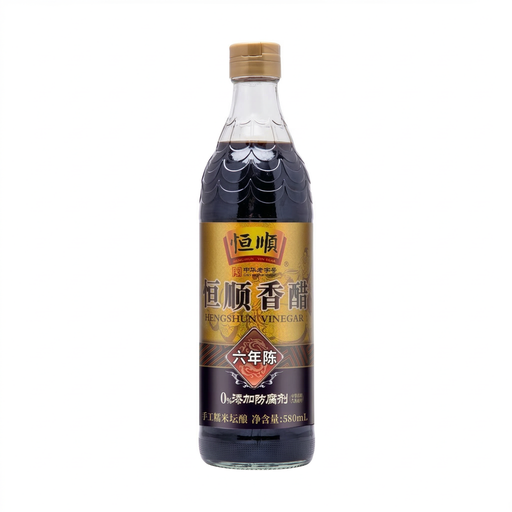
Why This Fits Their Persona: For the chef who wants to elevate their dishes. This long-aged vinegar has an exceptionally smooth, layered flavor that is perfect for finishing stews, as a base for complex sauces, or purely as a dipping sauce.
This product bypasses the "complex is better" misconception by providing a clear reason for its premium quality: the six-year aging process. The higher price is directly linked to an objective characteristic that enhances the flavor.
The long aging period results in a remarkably smooth and complex flavor, with a rich, lingering finish that is less sharp than younger vinegars.
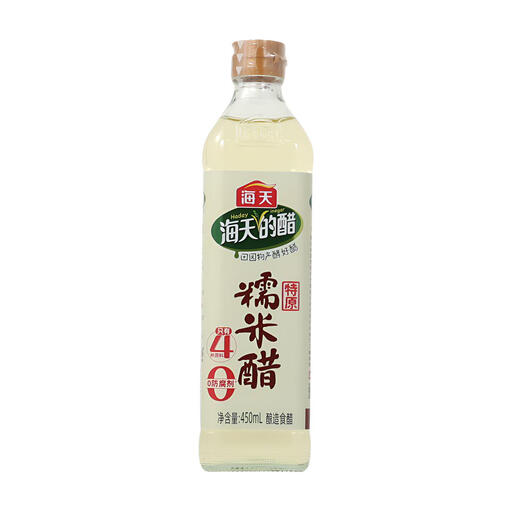
Why This Fits Their Persona: Ideal for those looking for a reliable, mild vinegar for everyday use. This vinegar is not too overpowering and works well in salad dressings, marinades, and light stir-fry dishes. A great all-rounder for the pantry.
This product prevents you from buying an overly specialized or expensive vinegar. It's an approachable rice vinegar that is highly versatile, so you won't buy a bottle you can only use for one specific recipe.
Its mild, clean vinegar flavor comes from a simple ingredient list: water, glutinous rice (11%), salt, and sugar. No unnecessary additives.
We have compiled a complete, up-to-date list of products that fully meet these strict selection criteria and current regulations.
The main difference lies in the base ingredients and the production process. Chinese black vinegar, such as Zhenjiang vinegar, is typically made from glutinous rice, sorghum, or other grains and is often aged. This gives it a dark color and a complex, malty flavor. Japanese rice vinegar is made from polished rice, is much lighter in color, and has a milder, more delicate taste.
Most types of Chinese vinegar are very stable. After opening, store the bottle in a cool, dark place, such as a kitchen cabinet. Sealing it tightly is important to preserve the aromas. Refrigeration is usually not necessary but can help maintain quality over the very long term. Always check the label for specific storage instructions.
While you can use another black vinegar in a pinch, the result will taste different. Zhenjiang vinegar has a unique profile that is difficult to replicate. A Shanxi vinegar, for example, is much smokier and more intense. For an authentic result, especially in dishes from the Jiangsu region or as a vinegar for dumplings, it is recommended to use genuine Zhenjiang vinegar.
