
Vandaag of morgen in huis

Kwaliteit gegarandeerd

Welkomstaanbiedingen ontgrendelen: GRATIS bezorging | Tot 80% korting | Gratis 30 dagen JoyPlus-proefperiode
Download de app
Ever find yourself standing in the Asian condiments aisle, wondering which bottle of Chinese vinegar you actually need? You're not alone. The selection is overwhelming, and the labels are often unclear. The wrong choice can completely ruin the flavour of your carefully prepared meal.
Many home cooks make two common mistakes. The first is assuming all dark vinegars are the same and grabbing a random bottle of black rice vinegar. The second is confusing Chinese vinegar with balsamic, which results in a completely different flavour profile. This leads to disappointment and dishes that lack the authentic taste you're looking for, like that perfect Chinese dipping sauce for your dumplings.
This guide will help you choose the right bottle by explaining the key characteristics, so you can confidently buy Asian vinegar.
To make the right choice, it's helpful to understand three core elements. These determine the vinegar's flavour, aroma and most suitable uses.
Not all black vinegar is created equal. The origin says a lot about the taste. The two most famous types are:
The ingredient list and ageing time directly impact the quality and complexity.
Below are some popular choices, matched to specific preferences and uses.
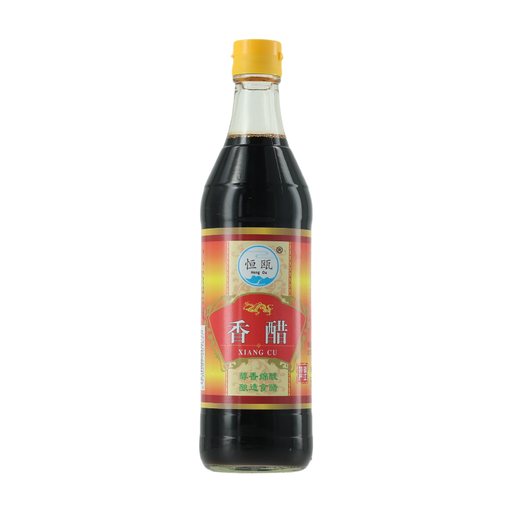
Why it's a match: This is a classic and highly versatile Zhenjiang vinegar. Its flavour is a perfect introduction to Chinese black vinegar: aromatic and balanced, without being overpowering. Ideal for anyone looking for a reliable all-rounder for dipping sauces, salads and stir-fries.
This is not a generic 'black vinegar' but an authentic Zhenjiang vinegar. The flavour is smooth and not too sharp, giving your dishes the right depth without the acidity taking over.
Made from rice and wheat bran for an authentic, aromatic taste. Highly versatile, from dipping sauce to marinade.
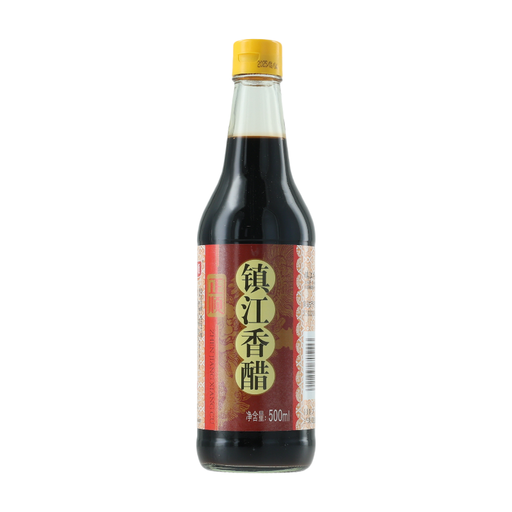
Why it's a match: This vinegar is specially developed with the deep, smooth and complex flavour essential for the perfect vinegar for dumplings. The balance between acidity and aroma is just right to complement the dumpling filling.
Instead of a vinegar that's too sour or simple, this one offers the layered umami flavour a dipping sauce needs, without overpowering the delicate filling of the dumpling.
Made with 18% glutinous rice, which ensures a smooth, full-bodied flavour. The perfect base for an authentic Chinese dipping sauce.
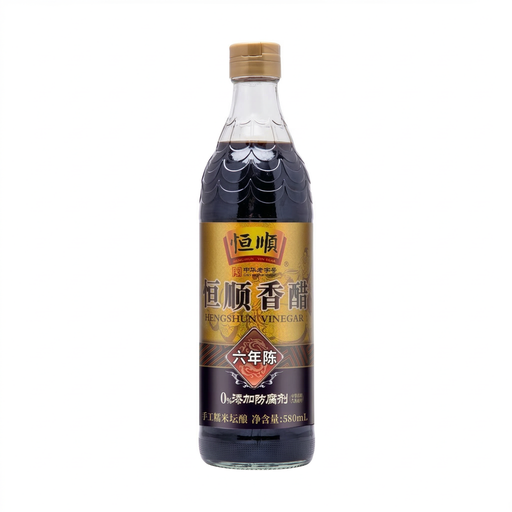
Why it's a match: For the cook seeking maximum depth and complexity. The six-year ageing process creates an exceptionally smooth and layered flavour that elevates dishes to the next level. Perfect for refined dipping sauces or as a finishing touch.
This is the opposite of a quickly produced, sharp vinegar. The long ageing time eliminates any harsh acidity and creates a velvety, rich flavour that can't be imitated.
Aged for six years for a superior, smooth and complex taste. Made by Heng Shun, a highly renowned brand in vinegar production.
We have compiled a complete, up-to-date list of products that fully meet these strict selection criteria and regulations.
The biggest difference lies in the ingredients and flavour. Zhenjiang vinegar is made from glutinous rice and is aromatic, complex and relatively mild. It's an all-rounder. Shanxi vinegar is made from sorghum and other grains, resulting in a much stronger, smokier and more acidic taste. It is more suitable for specific, robust dishes.
No, that is not recommended. Although they are both dark, their tastes are completely different. Balsamic vinegar is made from grape must and has a distinctly sweet, fruity flavour. Chinese black vinegar is made from grains and has a salty, umami-rich and malty taste. Using balsamic will give your dish an Italian twist instead of an authentic Chinese flavour.
Chinese vinegar is a stable product. After opening, it's best to store the bottle tightly sealed in a cool, dark place, like a kitchen cupboard. Refrigeration is usually not necessary, but it can help preserve the flavour and aroma particularly well, especially for a high-quality aged vinegar. Always check the label for the manufacturer's specific storage instructions.
