
Vandaag of morgen in huis

Kwaliteit gegarandeerd

Welkomstaanbiedingen ontgrendelen: GRATIS bezorging | Tot 80% korting | Gratis 30 dagen JoyPlus-proefperiode
Download de app
Chinese vegetarian snacks come in many forms, from chewy konjac and tofu strips to kelp knots and meat-free products made with wheat gluten or soya. They are convenient for eating on the go, serving with drinks, adding to noodles or enjoying as part of an Asian hotpot.
However, not every plant-based snack is automatically suitable for every vegetarian or vegan. If you only look at the front of the packaging, you could end up buying a product that is too salty, too spicy, unsuitable for allergy sufferers or inconvenient to use. With these practical checks, you can compare vegetarian snacks from China using the information provided on the label and in the product description.
Names such as vegetarian meat, vegetarian chicken or vegetarian offal usually refer to the shape and texture. The base may consist of soya protein, konjac, wheat gluten or tofu skin. That does not automatically make a product suitable for someone with a soya or gluten allergy.
Therefore, always check:
The product information discussed here does not list any clearly identifiable animal ingredients for most of the snacks, but always check the current packaging before buying.
Spicy Asian snacks, mala snacks and snacks containing Sichuan pepper often combine chilli with a tingling or numbing sensation. This comes from the Sichuan pepper. A snack described as “mala” can therefore taste quite different from one made with ordinary chilli sugar or hot sauce.
Look out for terms such as:
If you are not familiar with these flavours, it is best to start with a small pack.
A box containing twenty small sachets may seem convenient for sharing, but check the weight per sachet, shelf life and nutritional values per 100 grams. With smaller packs, you sometimes pay more for individual packaging. On the other hand, portions are easier to manage and practical for work, travelling or a sharing platter.
For vegan snacks and plant-based snacks, the main ingredient determines the texture. Konjac is elastic and chewy; tofu and soya protein often provide a firmer bite; wheat gluten creates a fibrous, meat-like texture.
Examples:
Take extra care with cross-contact if you have an allergy. For example, a product containing both soya and wheat is not suitable for a soya-free or gluten-free diet.
Chinese snacks often contain soya sauce, chilli oil, pickled vegetables and seasonings. As a result, salt levels can vary considerably. In the product information provided, for example, salt content ranges from 0.7 grams of salt per 100 grams in Wo Long Yam Slices to 8.5 grams of salt per 100 grams in Bestore Spicy Kelp Knots.
That makes the label more important than terms such as “light” or “healthy”. Compare:
A lower calorie count is not a general guarantee of quality. It only tells you about the energy content according to the stated nutritional information.
Many ready-to-eat snacks can be eaten straight from the packaging. Other products are chilled or frozen and require different handling. The 7FRESH tofu platter, for example, must be stored at -18 °C or below and is intended for hotpot. According to the product information, Wuxianzhai Vegetarian Duck should be stored at 0–4 °C.
Before ordering, check:
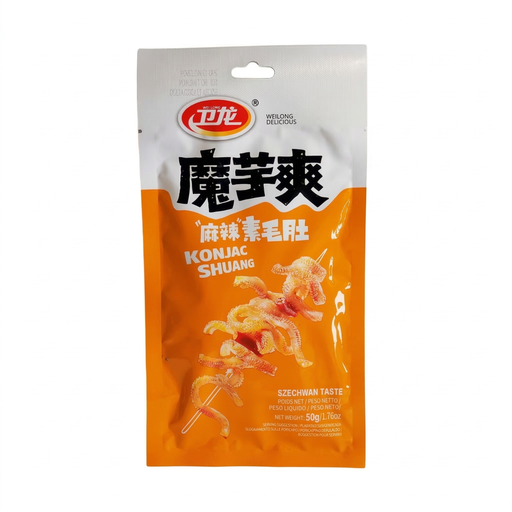
Why it suits this profile: The 50-gram pack is a convenient way to try a spicy konjac snack without immediately committing to a large box.
The product information lists the ingredients, allergens and nutritional values per 100 grams, so you can check the flavour and composition.
84 kcal and 2.8 grams of salt per 100 grams according to the label; ready to eat and seasoned with Sichuan pepper and chilli.
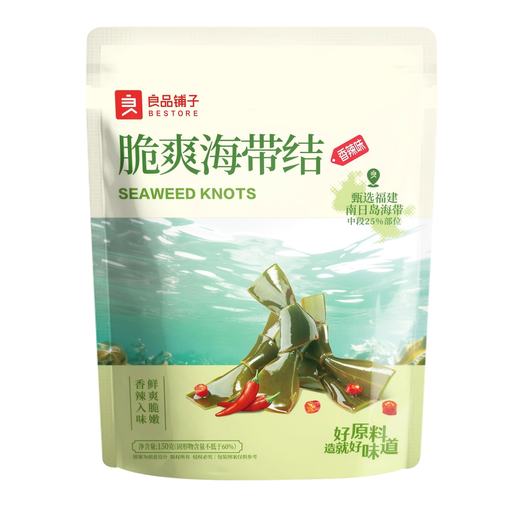
Why it suits this profile: These kelp snacks offer an alternative to standard crisps, with a soft, slightly chewy texture and a savoury chilli flavour.
The product page clearly states that the product contains soya, wheat and sesame and should be refrigerated after opening.
150 grams with 4–6 sachets; 92 kcal per 100 grams according to the nutritional information provided.

Why it suits this profile: This frozen platter is designed for hotpot and combines four types of tofu and soya products for a meal with a variety of textures.
The storage temperature, ingredients and cooking times for each component are provided, making it clear that this is not an ordinary ready-to-eat snack.
500 grams of frozen tofu, soya sheets, soya puffs and fried tofu rolls; suitable for several people.
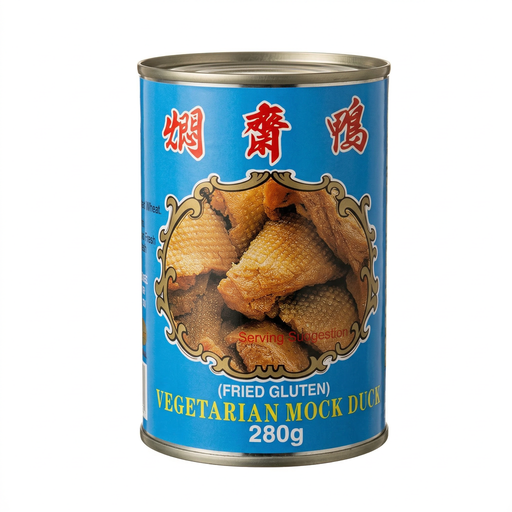
Why it suits this profile: The firm texture and instructions for stir-frying, steaming and baking make this product suitable as part of rice, noodle or vegetable dishes.
The product information clearly states that this is a chilled product made with wheat gluten and tofu skin, rather than a snack that can be stored unrefrigerated.
280 grams; 15 grams of protein and 1.2 grams of salt per 100 grams according to the stated nutritional values.
For a small snack, konjac snacks in 50-gram sachets are practical. If you are looking for Chinese nibbles to share, boxes with several individual packs are more convenient. Tofu strips and vegetarian meat go well with beer, rice or noodles. For a meal shared by several people, tofu platters and other frozen products make more sense.
If you are unsure about the heat level, start with five-spice, barbecue or a mildly seasoned tofu snack. For a distinctive Sichuan flavour profile, choose mala, chilli and Sichuan pepper. Taste is personal; a product description can tell you which ingredients are used, but it cannot predict how spicy you will find the snack.
We have put together a complete, up-to-date list of products that fully meet these strict selection criteria and the applicable European safety regulations.
Not always. Many products are based on soya, konjac or wheat gluten, but check the current ingredients list and allergen information. If you want to avoid animal ingredients completely, choose a product with a clear vegan label wherever possible.
Dry, individually packaged snacks can generally be stored in a cool, dry place. Chilled products should be used soon after opening. Frozen products, such as a tofu platter, should be stored at the temperature stated on the packaging. Always follow the label, as storage requirements vary from product to product.
Mala snacks combine chilli with Sichuan pepper, so they can taste both hot and tingling. The intensity varies from recipe to recipe. If you are new to this flavour, it is best to choose a small pack and check the ingredients list for chilli and Sichuan pepper.
