
Vandaag of morgen in huis

Kwaliteit gegarandeerd

Welkomstaanbiedingen ontgrendelen: GRATIS bezorging | Tot 80% korting | Gratis 30 dagen JoyPlus-proefperiode
Download de app
Chinese vegetarian snacks come in many forms, from spicy konjac snacks and tofu strips to vegetarian tripe, mushrooms and lotus root. The wide choice makes browsing interesting, but choosing can be tricky. Eye-catching packaging doesn’t tell you much about the flavour, portion size or whether a product suits your diet.
This guide will help you order Chinese snacks online using information you can check. Pay particular attention to the ingredients, allergens, nutritional information, texture and storage instructions.
Some products are plant-based but still contain ingredients such as soy sauce with wheat, milk derivatives or other additives. Always check the full ingredients list and allergen information. If in doubt, a clear vegan label on the packaging is more useful than terms such as “vegetarian meat” or “vegetarian tripe”.
Spicy vegetarian snacks can taste very different from one another. Chilli brings heat, while Sichuan pepper creates a tingling or numbing sensation. Products described as “mala” generally combine both. If you’re after a milder snack, sesame, mushroom or plain tofu may be a better choice.
A box with twenty small packets is handy for sharing or taking with you, but check the total net weight per pack. A large pack can also contain a lot of salt. Some konjac and vegetarian tripe snacks contain around 3 to 8 grams of salt per 100 grams. Compare the nutritional information, not just the price on the front.
Start by checking the first ingredients listed on the label. Soy, wheat gluten and starch are common ingredients in tofu snacks and vegetarian meat alternatives. Seaweed snacks and tofu rolls may contain both soy and wheat. Konjac products may also contain tapioca starch, wheat, soy or sesame in the seasoning mix.
Look out for these allergens:
The main ingredient has a big impact on the eating experience:
The name “vegetarian tripe” usually refers to the shape and texture, not animal tripe. Still, always check the ingredients list.
Individual packets are handy for travelling, lunch or a snack when you don’t want to open a whole pack. A larger 100 to 280 gram bag works well as a topping for rice, noodles or congee.
Many ready-to-eat Asian snacks can be eaten straight from the pack. Once opened, seal the product properly, refrigerate it if the packaging says to, and eat it soon. Always check the use-by date and don’t use damaged packaging.
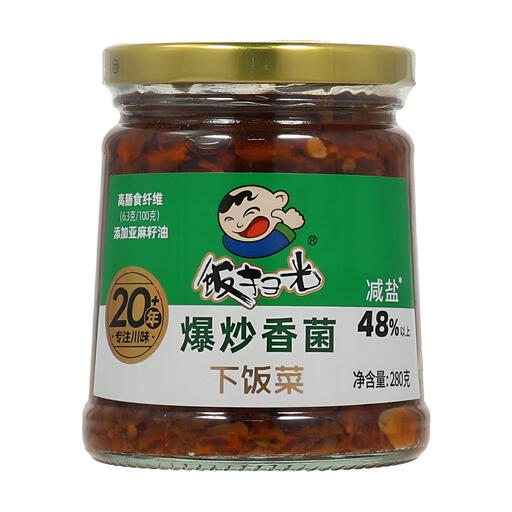
Why it suits this shopper: A generous pack of ready-to-eat shiitake and oyster mushrooms to serve with rice, noodles or congee. The savoury flavour comes with notes of garlic and chilli.
The packaging clearly lists the mushrooms, allergens and nutritional information. You can see straight away that it contains soy, wheat and sesame.
280 grams, ready to eat and suitable as a snack, side dish or topping.
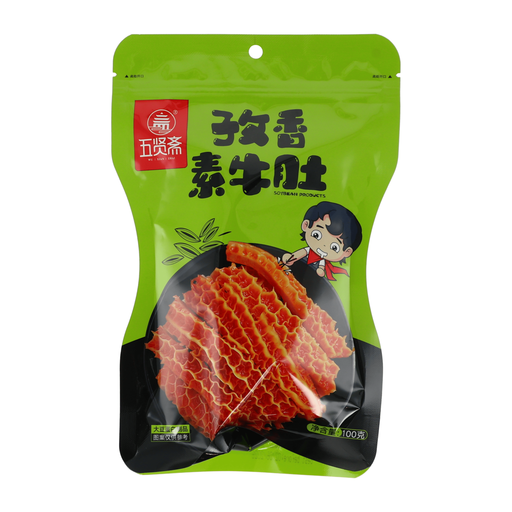
Why it suits this shopper: This snack uses a more substantial soy-based mix with cumin and has a firm, chewy texture. It’s a good match for fans of bold seasonings and plant-based protein products.
The ingredients list states that it contains 40% puffed soy products and identifies soy and wheat as allergens. So the texture isn’t described using marketing language alone.
100 grams, 29.9 grams of protein per 100 grams and a distinct cumin flavour.

Why it suits this shopper: The box contains 20 individual 18-gram packets. It’s handy for taking with you every day, sharing or serving in portions alongside an Asian meal.
Both the total weight and the number of portions are stated. Soy and wheat are also listed as allergens, so you can make a choice that suits your diet.
360 grams in total, 20 portions, ready to eat, with a crunchy, chewy konjac texture.
We’ve put together a complete, up-to-date list of products that meet these strict selection criteria and the applicable European safety regulations.
If crunch is what you’re after, try lotus root snacks, okra crisps or tofu rolls with seaweed. For a meal, mushrooms, dried tofu and vegetarian chicken make suitable toppings for noodles or rice.
If you like bold flavours, mala snacks, chilli konjac and seasoned vegetarian tripe offer more Sichuan-inspired flavours. For a gentler introduction, sesame paste konjac, shiitake or milder tofu snacks may be a better fit.
Take extra care to check the ingredients and allergens in vegan snacks. A product containing soy or wheat can be vegan, but the product information should make this clear. Don’t choose based on the product name alone.
No. Many products are plant-based, but recipes can vary. Check the ingredients, allergens and any vegan label on the packaging. Soy and wheat are common ingredients, but their presence alone doesn’t tell you whether a product is vegan.
It depends on the product. Once opened, ambient packs usually need to be sealed properly. Some products need to be refrigerated and eaten soon. Always follow the storage instructions on the packaging and check the use-by date.
Yes. Konjac, tofu, mushrooms and lotus root can be served alongside rice, noodles or congee. Keep an eye on the salt and seasoning levels, though. A small portion may be enough when you’re using the snack to add flavour to a meal.
