
Vandaag of morgen in huis

Kwaliteit gegarandeerd

Welkomstaanbiedingen ontgrendelen: GRATIS bezorging | Tot 80% korting | Gratis 30 dagen JoyPlus-proefperiode
Download de app
When you buy Chinese vegetarian snacks online, you often come across eye-catching packaging, bold flavour claims and unclear product categories. A snack with “vegetarian” on the front isn’t automatically vegan. Likewise, a high protein content doesn’t tell you much about the salt level, portion size or ease of use.
This buying guide helps you compare vegan snacks, spicy konjac products, dried tofu, tofu bars, wheat gluten snacks and hotpot ingredients. Always rely on the product specifications and allergen information on the packaging.
Some products are made from soya, konjac or wheat gluten, but also contain ingredients such as soya sauce, milk derivatives or other additives. Always check the full ingredients list and look for a clear vegan label if you want to avoid animal-derived ingredients entirely.
Among the products in this guide, soya, wheat and sesame appear regularly. This makes them unsuitable for anyone with an allergy to these ingredients. A product without a clear vegan certification should not automatically be considered vegan.
A product can be relatively high in protein but also contain a lot of salt or fat. For example, Laoli Five-Spice Dried Tofu contains 24.4g of protein per 100g according to the product information, but also 2.5g of salt per 100g. Wei Long Konjac Snack Spicy Flavour provides 114 kcal and 3.16g of salt per 100g.
Use nutritional values to compare products with each other. Pay particular attention to:
Ready-to-eat konjac snacks and tofu bars are convenient for eating on the go. Dried bean curd sheets, tofu sticks and tofu puffs, on the other hand, are intended for preparation in soup, stir-fries or hotpot snacks. Always check whether the product is ready to eat, needs to be soaked, or must be kept frozen.
The base ingredient determines the bite and the use. Konjac snacks are often elastic and chewy. Dried tofu and dried bean curd have a firmer texture. Wheat gluten snacks are typically dense and fibrous in texture, but they contain gluten.
For a snack that you eat straight from the packet, individual sachets are practical. For hotpot or stir-fries, tofu sticks, tofu sheets and tofu puffs are more versatile because they absorb broth and sauce.
Pay attention to the difference between:
Once opened, chilled or dry foods may have a shorter shelf life. Follow the instructions on the packaging, seal sachets properly and consume opened products within the stated time.
Check the bold allergens in line with Dutch and European labelling regulations. In this selection, soya, wheat, gluten and sesame are particularly common. Some products also contain flavour enhancers, preservatives, colourings or sweeteners. That doesn’t automatically make a product unsuitable, but it is relevant information for your purchasing decision.

Why This Fits Their Persona: A low-barrier choice for anyone wanting to try spicy Chinese snacks without buying a large range of ingredients straight away. The pack contains approximately 28 individual portions.
The contents, portion distribution and nutritional values are clearly stated. Do check for soya, wheat and the salt content of 3.16g per 100g.
Ready-to-eat, individually wrapped and 114 kcal per 100g according to the product information.
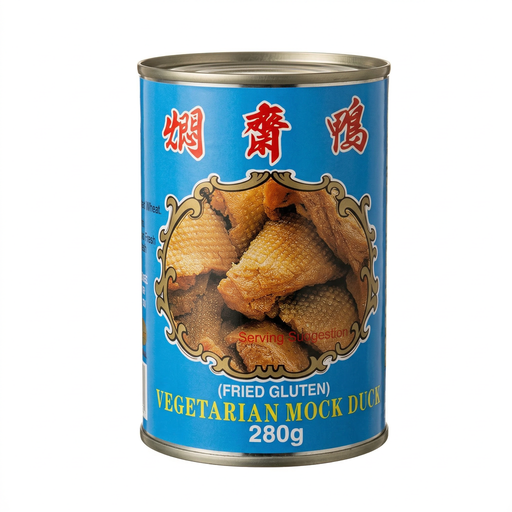
Why This Fits Their Persona: Suitable for vegetarians and vegans looking for a plant-based main component to serve with rice, noodles or a stir-fry.
The base is specified as wheat gluten and tofu skin. This makes it clear that it is not a gluten-free option; check the packaging if you want to eat vegan.
15g of protein per 100g and multiple cooking methods: frying, steaming or stir-frying.

Why This Fits Their Persona: A practical staple for home cooks who regularly make hotpot, soup or Asian stir-fries.
The set lists the individual components and cooking times. This means you won’t buy a snack that is only suitable for eating straight away.
Four types of soya products in one frozen pack: tofu, soya sheets, tofu puffs and fried tofu rolls.
We have compiled a complete, real-time list of products that fully satisfy these strict selection criteria and UK safety regulations.
For snacking straight away, LYFEN QQ Dried Tofu Spicy Flavor, BE&CHEERY Spicy Tofu Strips and Laoli Five-Spice Dried Tofu are logical options to compare. They are ready-to-eat and contain 12.1g, 12.0g and 24.4g of protein per 100g respectively, according to the product information.
For cooking, Dried Bean Curd Stick 300g, 7FRESH Shiping Dried Bean Curd Sticks and FENGHEJU Fried Bean Curd Sheet are more relevant. Dried products need to be softened first; fried bean curd sheets can be added directly to hotpot, soup or stir-fries according to the product description.
If you’re looking for a sweet addition, you could consider glutinous rice balls with peanut and sesame. This is a frozen product that needs to be thoroughly cooked. It therefore doesn’t belong in the same category as ready-to-eat savoury snacks.
No. Check the ingredients list and allergen information. Some products are based on soya, konjac or wheat gluten, but only a clear vegan label or a check of the full ingredients list gives you more certainty.
Choose tofu puffs, fried tofu sheets, tofu rolls, dried bean curd sticks or an assortment pack. Pay attention to the preparation instructions and cooking time. Ready-to-eat tofu bars and konjac snacks are usually intended for eating straight away.
Store dry, shelf-stable snacks sealed in a cool, dry place. Once opened, products should be resealed according to the packaging and sometimes refrigerated. Frozen products must be stored at -18 °C or below and should not be refrozen after thawing.
