
Vandaag of morgen in huis

Kwaliteit gegarandeerd

Welkomstaanbiedingen ontgrendelen: GRATIS bezorging | Tot 80% korting | Gratis 30 dagen JoyPlus-proefperiode
Download de app
Chinese vegetarian snacks are popular with vegetarians, vegans and flexitarians looking for something savoury with a firm or chewy texture. Think konjac snacks, tofu snacks, wheat gluten snacks and vegetarian meat with flavours like Sichuan pepper, barbecue, cumin or chilli.
Yet it can be tricky to make the right choice online. A packet with words like “vegan”, “low calorie” or “high protein” doesn’t always tell the full story. Below, we explain what to look out for before buying Chinese snacks and which varieties suit different occasions.
Terms like vegetarian beef jerky, vegetarian chicken or vegetarian tripe usually refer to the shape, seasoning or texture. The base can be made from soya protein, wheat gluten, tofu or konjac. Always check the ingredients list, especially if you’re looking for a vegan snack.
A product with “cheese flavour” may contain flavourings without any real cheese, but you need to check the label to be sure. Conversely, a vegetarian snack could still contain milk derivatives.
According to the product information, konjac snacks often contain relatively few calories per 100g. The HAO BA SHI Konjac Snack, for example, lists 68 kcal per 100g, while its salt content is 3.1g per 100g. The Be&Cheery Konjac Vegetarian Tripe lists 84 kcal and 3.2g salt per 100g.
If you’re mainly watching your calories, you could easily overlook the salt. Always compare the full nutritional information table and check the serving size.
Wheat gluten and soya snacks can have a higher protein content, but they often contain allergens too. Wu Chung Roasted Vegetarian Chicken lists 12g protein per 100g and contains wheat and soya. Wuxianzhai Fresh Pepper Vegetarian Meat lists 22.5g protein per 100g, but also contains wheat and soya.
If you have an allergy or avoid gluten, don’t rely on the product name alone. The product listing for “Roasted Gluten-Free 150g”, for instance, lists “water, gluten” as ingredients. That’s no basis for considering the product gluten-free. Always check the current packaging and allergen information.
The base determines the texture and nutritional values:
Chinese and Asian snacks can be quite spicy. “Spicy”, “mala”, chilli and Sichuan pepper indicate different types of heat. Sichuan pepper gives a tingling or numbing sensation in the mouth as well as warmth. Barbecue and cumin flavours are usually savoury and smoky.
Also pay attention to the texture description. If you want something crunchy, choose a variety labelled “crispy” or “roasted”. For a chewy snack, konjac, tofu and wheat gluten work better.
Individually wrapped snacks are practical for work, on the go, film nights and parties. The Yan Jin Pu Zi MOWON Konjac Snacks BBQ comes in 20 sachets of 18g. The Jin Zai tofu snack is also divided into five individual packs.
Check the storage advice after opening. Some products need to be refrigerated and consumed quickly once opened. Store unopened snacks according to the label, usually in a cool, dry place away from direct sunlight.

Why This Fits Their Persona: A small pack to try konjac and Sichuan pepper without committing to a larger selection.
The packaging clearly states the base, allergens and nutritional values. This shows you that the snack is low in protein and relatively high in salt.
50g, ready to eat and, according to the product information, 68 kcal per 100g. Contains soya and sulphites.
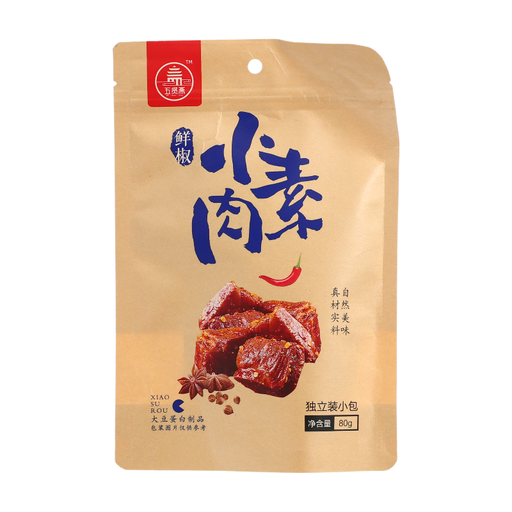
Why This Fits Their Persona: Ideal for anyone looking for a compact snack with a firm, fibrous bite and a higher listed protein content.
The nutritional information table makes the protein content verifiable: 22.5g per 100g. The product name doesn’t replace the ingredients list.
80g, ready to eat and seasoned with fresh chilli. Contains wheat and soya; not suitable for those avoiding these allergens.
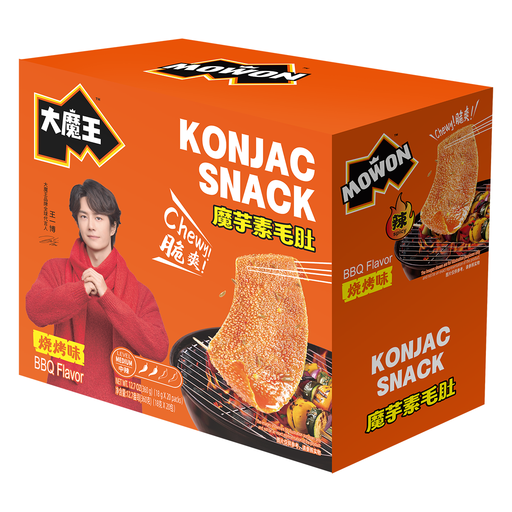
Why This Fits Their Persona: The twenty small sachets are handy for taking to the office, sharing during a film night or putting out at a drinks party.
The portions are pre-divided. The product information lists 111 kcal and 2.6g salt per 100g; compare this with the amount you actually eat.
18g per sachet, barbecue seasoning and ready to eat. The allergen information lists soya.
If you’d rather avoid konjac or wheat gluten, you could look at tofu snacks. The Jin Zai Roasted Tofu Snack Salty Baked Flavour 108g comes in five individual packs. According to the product information, this snack contains 18.5g protein and 234 kcal per 100g. The ingredients list includes soya, sesame and sulphites.
For a stronger flavour experience, there are also vegetarian beef and gluten varieties, such as Wuxianzhai Vegetarian Beef in barbecue or spicy flavours. These products suit fans of savoury, chewy textures, but they typically contain wheat or soya. So check the allergens and salt content first before ordering.
Browse a current selection of vegetarian high-protein snacks and compare base, flavour, portion size, allergens and nutritional values.
Not always. Many konjac, soya and wheat gluten snacks are plant-based, but some varieties contain milky flavourings, sesame or other ingredients you’ll want to check. Always read the current ingredients list and allergen declaration on the packaging.
That varies by product. In the selection mentioned, Wuxianzhai Fresh Pepper Vegetarian Meat lists 22.5g protein per 100g. Wu Chung Roasted Vegetarian Chicken lists 12g per 100g and the Jin Zai tofu snack lists 18.5g. Compare the values per 100g, not just per pack.
Some konjac snacks contain fewer calories according to their product information than snacks based on oil, soya or gluten. The values differ by flavour and brand. Also check the salt content, serving size and any allergens. “Low calorie” is no reason to skip the rest of the label.
