
Vandaag of morgen in huis

Kwaliteit gegarandeerd

Welkomstaanbiedingen ontgrendelen: GRATIS bezorging | Tot 80% korting | Gratis 30 dagen JoyPlus-proefperiode
Download de app
Are you searching for that one spicy, savory snack you've seen trending on social media? The world of Chinese vegetarian snacks is vast, but it can also be a minefield. Packaging makes bold claims, but the contents can sometimes be a letdown. As a Product Recommendation Officer at Joybuy, I'm here to help you see through the marketing jargon and make a choice that truly suits your palate.
Before you fill your cart, here are two common pitfalls to watch out for:
You don't need to be an ingredient expert to make a great choice. Just pay attention to two simple but crucial characteristics: the base ingredient and the flavor profile.
The texture of the snack is largely determined by its main ingredient. The two most popular options are konjac and soy.
Asian snacks offer a wide spectrum of flavors. Don't be guided by the word "spicy" alone. Look for the specific flavor description.
To get you started, we've matched a few popular choices with different flavor preferences.

Why This Fits Their Persona: This is a popular choice for getting acquainted with the unique texture of konjac. The flavor is spicy but not extreme, and the individual packets are ideal for trying and sharing without having to open a large bag at once.
The flavor is a classic 'spicy' and not an overwhelming mala, so you won't be caught by an unpleasant surprise. The texture is characteristic of konjac, which is clearly stated.
Made from konjac flour (6%) for a crunchy and chewy texture. Individually wrapped (20 pieces), making it easy to carry and share.
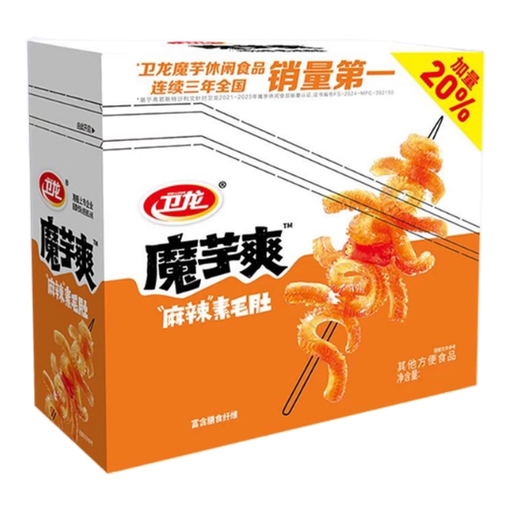
Why This Fits Their Persona: For those actively seeking the authentic, numbing kick of Sichuan pepper. This isn't just another spicy snack; it's a true mala experience, exactly what you'd expect from Sichuan cuisine.
The name and description are explicit: "Numbing & Spicy." This product delivers exactly the promised mala sensation, helping you avoid the "spicy surprise" pitfall.
Authentic Sichuan mala flavor from the combination of chili and Sichuan pepper. The konjac base provides a satisfying, chewy texture that holds the seasoning well.
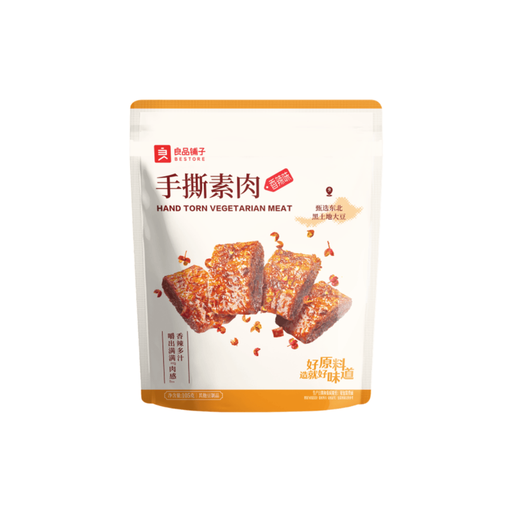
Why This Fits Their Persona: Ideal for anyone seeking a vegetarian snack that's not only delicious but also a source of protein. The texture is designed to resemble shredded meat, providing a satisfying, meaty bite.
This product directly addresses the "texture disappointment" pitfall. The base of puffed soy is specifically chosen to create a fibrous, meat-like consistency, rather than a spongy one.
Rich in protein with 20g of protein per 100g. The "hand-shredded" texture provides a pleasant, firm chewing experience. The flavor is spicy and savory from chili and cumin.
We've compiled a complete, up-to-date list of products that meet these selection criteria and comply with current regulations.
The main difference lies in texture and nutritional value. Konjac snacks, made from the konjac plant, have a unique, often chewy or jelly-like texture and are low in calories. Soy snacks are made from soy protein and have a fibrous, meat-like structure. They are typically richer in protein and more focused on mimicking a meat-eating experience.
Mala is a signature flavor from China's Sichuan cuisine. It's a combination of spiciness (la) from chili peppers and a unique, numbing tingle (ma) from Sichuan peppercorns. If you enjoy intense and complex flavors, mala snacks are an excellent choice. It's more than just hot; it's a complete sensory experience.
Not necessarily. While the base of many snacks is plant-based (like soy or konjac), the seasonings or sauces may contain non-vegan ingredients, such as milk powder in a marinade or other animal-derived additives. For vegan snacks, it is therefore always important to carefully check the ingredient list and allergen information on the product page before making a purchase.
