
Vandaag of morgen in huis

Kwaliteit gegarandeerd

Welkomstaanbiedingen ontgrendelen: GRATIS bezorging | Tot 80% korting | Gratis 30 dagen JoyPlus-proefperiode
Download de app
When buying Chinese sweets and snacks online, you will quickly come across familiar names, colourful packaging and terms such as “traditional”, “natural” and “premium”. However, attractive packaging says little about the flavour, ingredients or suitability for your household. This is especially true of sweet-and-sour snacks, dried Chinese fruit and chewy sweets, where it pays to check the label carefully.
Dried mango, red dates and candied plums often contain naturally occurring sugars, but may also contain sugar, glucose syrup or maltose syrup. So do not just look at the wording on the front. Check the ingredients list and the nutritional values per 100 grams.
For example, according to the product information, MUSHAN BASE Dried Mango contains at least 79.5% mango, as well as sugar, glucose powder and maltose syrup. This gives you a clearer picture than simply calling it “dried fruit”.
A 500-gram pack may seem good value, but it is mainly useful if you share the snack or eat it regularly. For a first taste, portion packs of 50 to 108 grams are more practical. They take up less space and reduce the risk of an opened product losing its texture.
Also check how many individual packs are included. The 63-gram Haoxiangni sesame balls contain approximately 7 to 8 portions. This makes them easy to manage when you are out and about or sharing them with others.
Traditional Chinese sweets may contain ingredients you do not expect, such as sweeteners, sulphites or milk ingredients. For example, E223: sulphites is listed for dried mango and candied pineapple. Milk and butter are part of the ingredients in White Rabbit sweets.
So always check:
Chinese and Asian snacks vary widely. Choose according to the eating experience you are looking for:
With hawthorn snacks, the difference between strips, pieces and mixed varieties is noticeable. According to the product information, Xue Ji Original Hawthorn Strips consists of more than 55% hawthorn and sugar. A mixed bag, such as Be&Cheery Many Kinds of Hawthorn, offers several shapes and flavours instead.
Think about how you plan to use the product:
Konjac jelly is often available in a sharing size. The Strong Konjac Jelly Squeeze Pack contains 400 grams plus an extra 80 grams, with six fruit flavours. According to the product information, each variety contains at least 40% fruit ingredients. Young children should be supervised while eating; always follow the instructions on the packaging.
Compare products on the same basis. A strip, sweet or small bag may look modest, while its nutritional value per 100 grams is relatively high. Pay particular attention to:
A product without added colourings is not automatically low in sugar. Conversely, a product containing sweeteners is not necessarily suitable for everyone. The ingredients list should always be your starting point.
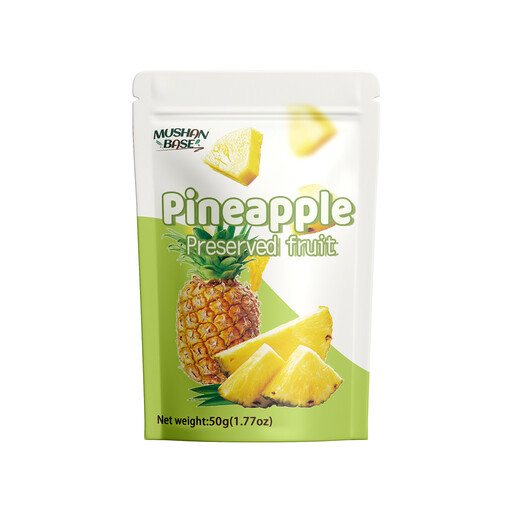
Why it suits this profile: The small pack makes it easy to try candied fruit without immediately buying a large supply.
The 50-gram size makes the portion clear. The product information also states that it contains at least 75% pineapple and lists sulphites as a warning.
50 grams, ready to eat and easy to take with you or share.
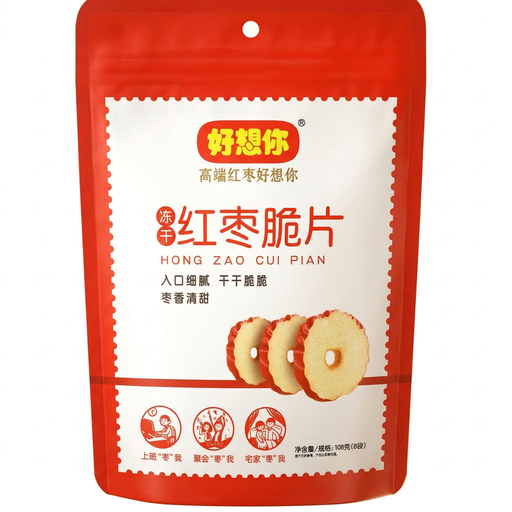
Why it suits this profile: This choice is ideal if you are looking for a short ingredients list and a crispy version of red dates.
The product information lists red dates as the only ingredient, making the composition easy to check.
108 grams, a crispy texture and no allergens listed in the product information.
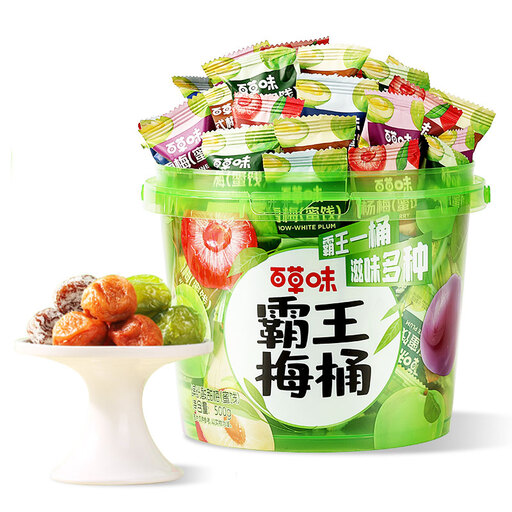
Why it suits this profile: The large size, with around 70 individual packs, is ideal for sharing, keeping in stock or regularly enjoying sweet-and-sour plums.
The packaging makes the portion size clear. However, check the listed sulphites, sweeteners, salt content and colouring warning.
500 grams, five types of plums and individually wrapped for sharing.
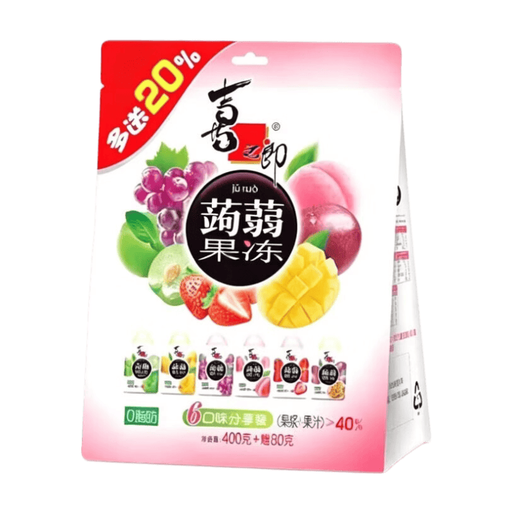
Why it suits this profile: The combination of several flavours and a total weight of 480 grams works well for sharing.
The six flavours make the choice clear. Store an opened product in an airtight container and follow the instructions on the packaging.
400 grams plus an extra 80 grams, six fruit flavours and at least 40% fruit ingredients according to the product information.
We have put together a complete, up-to-date list of products that fully meet these strict selection criteria and the applicable European safety regulations.
You can search online within categories for Asian snacks, dried fruit, sweets and preserved fruit. When comparing products, look beyond the price and packaging to consider the weight, ingredients, allergens and shelf life. This makes it easier to find a product that suits your taste and the occasion.
Candied plums are generally processed with sugar, syrup, salt, acids or sweeteners. This creates their familiar sweet-and-sour and sometimes salty flavour. Dried plums usually have a drier texture, but the exact ingredients vary from product to product. Always check the label.
Store unopened products in a cool, dry place, away from direct sunlight and sources of heat and moisture. Seal opened packs carefully. With konjac jelly, chilling may affect the flavour, while soft snacks can lose their texture when they absorb moisture. Always follow the storage instructions on the packaging.
