
Same-day & Next-day Delivery

Quality Guaranteed

Unlock Your Welcome Offers: FREE Delivery | Up to 80% OFF | Free 30-day JoyPlus trial
Download the APP
Chinese steamed buns are handy for breakfast, lunch, a snack or a light meal. Straight from the freezer, you can usually pop them directly into a steamer basket, and they’re on the table within minutes. Yet bao buns, Chinese bao and other filled steamed buns aren’t all the same.
A soft exterior, for example, doesn’t tell you much about the amount of filling. Also, a product marketed as a quick snack may still contain raw dough and therefore need to be fully cooked. That’s why it’s worth looking beyond the picture on the packet.
With frozen bao, the cooking method matters. Most products in this selection need to be steamed from frozen. Depending on the size, this takes about 8 to 12 minutes. Some varieties, such as MENGFU Yangzhou Meat Bao, require around 15 minutes.
Also check whether defrosting is actually advised against. With several products, the bun can be cooked straight from the freezer. For frying varieties, defrosting may be part of the instructions.
Bao buns often contain wheat or gluten. Savoury varieties may also include soya, sesame, milk, egg, shellfish or molluscs. A vegetarian filling isn’t automatically free from all allergens.
Read the ingredients list and allergen information before you buy. Also look out for varieties containing, for example, egg, milk powder, prawns or oyster sauce. If you have a food allergy or intolerance, the information on the packet is what you should follow.
A pack of 480 or 510 grams can be handy for a family, but less suitable if you live alone. So check the net weight, the number of pieces and the storage instructions. Frozen products should generally be kept at -18 °C or lower and must not be refrozen once thawed.
For larger gatherings, a 2.5 kg pack might seem appealing, but not every product in that category is a steamed bun. Youchen Meat Floss Buns, for example, are ready to eat and served at room temperature. So make sure the cooking method matches how you plan to use them.
First, decide whether you’re looking for sweet bao buns, savoury bao buns or a mix. Sweet options include black sesame, custard, sweet potato, date and brown sugar. For a meal, pork bao, chicken with mushroom, char siu or xiao long bao with soup filling work better.
With savoury varieties, check the percentage of the main ingredient. The Fresh ASIA Mushroom Chicken Thigh Bun contains 15.8% chicken and 2.1% mushroom according to the product information. The KUNGFU Juicy Bao Pork & Prawn contains at least 23% pork and pieces of prawn, according to the product specification.
Use a steamer basket with enough space between the buns. This allows the steam to circulate properly and stops the bao buns from sticking together. You can place baking paper with holes or a suitable steaming sheet underneath the buns.
Always follow the instructions on the packet. Products with raw dough, meat or fish must be fully cooked. With soup buns, extra care is needed: the filling can be extremely hot. Let them cool briefly and open them carefully.
For vegetarian bao buns, you could look at fillings such as radish, carrot, vermicelli, shiitake, bamboo shoot or tofu skin. The Fresh ASIA Radish Handmade Vegetable Bun contains, among other ingredients, radish, carrot, vermicelli and shiitake. The packet does list wheat, soya and sesame as allergens.
A product with a vegetable filling may also contain ingredients that don’t suit everyone’s preferences, such as soya sauce or sesame oil. So always check the actual packet.
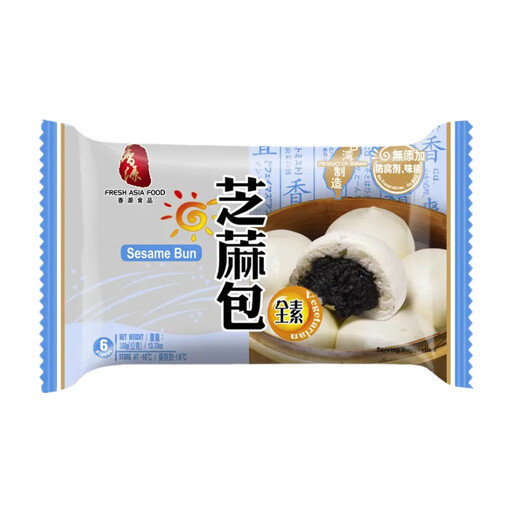
Why this fits the profile: These sweet bao buns are simple to prepare and suitable for breakfast, a snack or dessert. The 390g pack offers a manageable quantity to get acquainted with Chinese steamed buns.
The cooking instructions are clear: steam the buns from frozen for 8-10 minutes after the water boils. The allergens wheat, sesame and milk are listed.
Black sesame paste filling; 390g net weight; cook from frozen in 8-10 minutes.
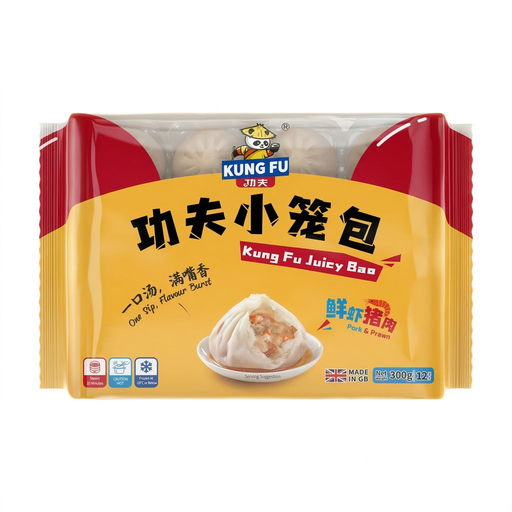
Why this fits the profile: If you’re after a savoury bao with multiple textures, you get a combination of pork, prawn and broth. These buns are perfect for a dim sum meal at home.
The product information lists the main ingredients and allergens, including wheat, soya, sesame, milk and shellfish. This allows you to compare the composition beforehand.
300g per pack; at least 23% pork according to the product information; steam for 8-10 minutes.
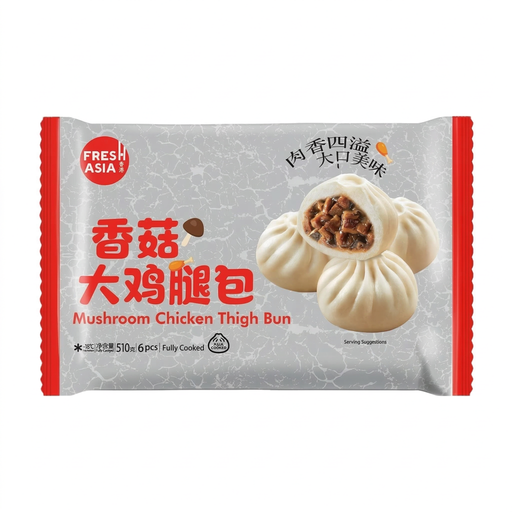
Why this fits the profile: The 510g pack is practical for families, meal prepping or a table with several steamed Chinese snacks.
In addition to steaming for 10-12 minutes, a microwave method is also mentioned. The instructions ask for thorough heating and a short rest after cooking.
15.8% chicken and 2.1% mushroom according to the product information; 510g; suitable for steaming or microwave.
We’ve put together a full, up-to-date list of products that fully meet these strict selection criteria and comply with current European safety regulations.
Most frozen bao buns in this selection need about 8-12 minutes after the water boils. Larger or differently filled products may take longer. Always refer to the instructions on the packet.
Some products mention a microwave method. This may require adding a few drops of water and covering the bun. Not every product is suitable for this. So only use a microwave method if it is explicitly stated.
For vegetarian bao buns, look for fillings with radish, carrot, vermicelli, shiitake, tofu skin or bamboo shoot. However, always check the ingredients list: soya sauce and sesame oil are common, and the composition can vary from product to product.
