
Same-day & Next-day Delivery

Quality Guaranteed

Unlock Your Welcome Offers: FREE Delivery | Up to 80% OFF | Free 30-day JoyPlus trial
Download the APP
Chinese steamed buns are a handy choice for breakfast, a snack, a light meal or a dim sum spread. You’ll find them filled with meat, vegetables, sweet ingredients and, sometimes, nothing at all. Many are sold frozen and ready in just a few minutes.
However, not every pack of Chinese bao buns is right for every occasion. Pay particular attention to the cooking method, allergens, filling and quantity per pack. That way, you can avoid buying something that doesn’t suit your dietary preferences or kitchen routine.
The packaging often gives different cooking times for steaming, microwaving or pan-frying. Some frozen bao buns should be steamed straight from the freezer, while others need to be defrosted first. If you mix up the instructions, you could end up with a cold filling or an overly soft exterior.
Always check:
A bao bun could be filled with pork, chicken, vegetables, mushrooms, sweet potato, taro, black sesame or custard. The name on the front doesn’t always tell you how much filling there is.
Check the ingredients list and the quantitative ingredient declaration. For example, the filling listed for Freshasia’s buns with preserved cabbage is 30% preserved cabbage, with shiitake and black fungus. MENGFU’s meat buns list a filling percentage of 40% or more, depending on the product.
Chinese buns often contain wheat and gluten. Soy, sesame, egg, celery, molluscs and milk are also common. A vegetarian product isn’t automatically suitable for every allergy or diet.
Always check the allergen information on the current packaging, as product ingredients can change. If you’re looking for vegetarian bao buns, also look out for ingredients such as lard, oyster sauce or chicken seasoning.
For everyday convenience, buns that can be steamed straight from the freezer are a practical choice. Cooking times vary:
Use a steamer basket with enough space between the buns. Place baking paper or a reusable silicone mat underneath the bao buns to stop them sticking to the base. The COOKER KING 22 cm paper liners are disposable, while the BJ 23 cm silicone mat is a reusable option. Check that the diameter fits your steamer basket.
A 300-gram pack might contain ten small buns, while a 450- or 480-gram pack could contain larger portions. So don’t just compare the price per pack. Check:
Larger packs, such as 480 or 700 grams, are often easier to plan for when you’re feeding a family. A 300-gram pack of small sweet buns may be enough for dessert or a snack.
Frozen products should be stored at -18 °C or below, according to the product information. Various products must not be refrozen once defrosted. Plan your order around your freezer space and check that the packaging is still properly frozen when it arrives.
Nutritional values vary considerably. For example, according to the product information, Synear Purple Sweet Potato Bun contains 15 grams of sugars per 100 grams, while savoury buns tend to contain less sugar but more salt. Check the label if you’re looking for Chinese snacks to suit a particular diet.
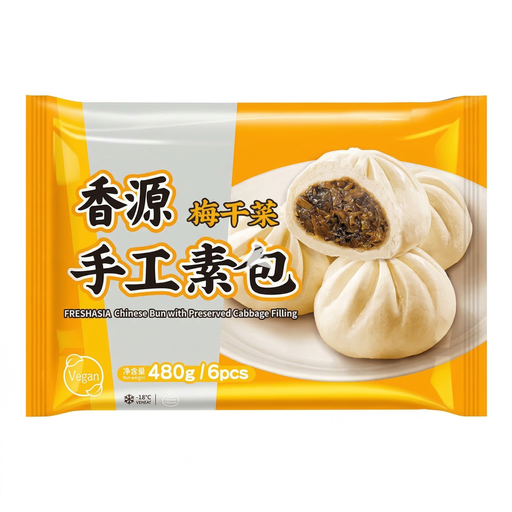
Why it’s a good fit: A vegetarian option in a 480-gram pack, suitable for breakfast, a snack or a light meal. The instructions say to steam from frozen for 10–12 minutes.
The product information clearly lists the filling, allergens and steaming time, so you don’t have to rely on the product name alone.
Vegetarian filling with preserved cabbage, shiitake and black fungus; individually packaged and frozen.
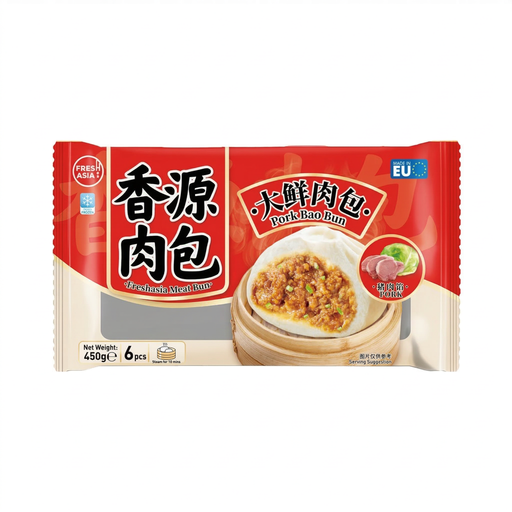
Why it’s a good fit: For anyone looking for a savoury bao with a pork filling and clear information about ingredients, allergens and preparation.
The product description lists 21% pork, storage at -18 °C or below, and says to steam until piping hot in the centre.
Savoury filling with pork and cabbage; suitable for breakfast, a snack or a light meal.
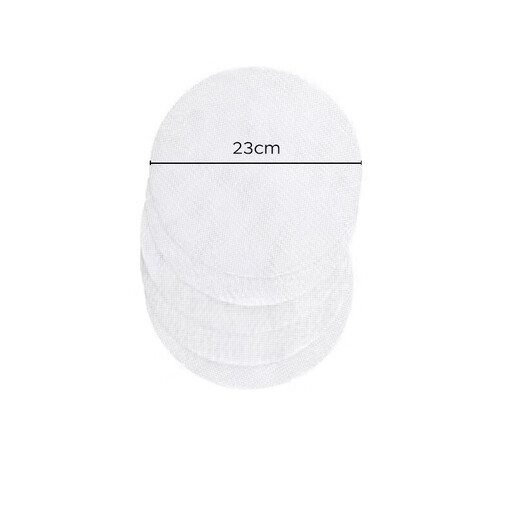
Why it’s a good fit: For regularly making bao buns and dim sum. A reusable mat is a good fit if you steam often and want to use fewer disposable liners.
The 23 cm round diameter is clearly stated. Check beforehand that it will fit your steamer basket.
Reusable silicone mat; supplied as a set of five, according to the product name.
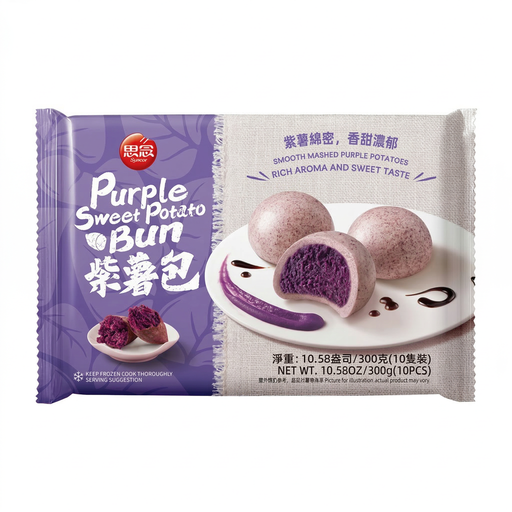
Why it’s a good fit: A sweet bao bun for breakfast, dessert or a snack. According to the product information, it can be steamed from frozen or warmed briefly in the microwave.
The instructions give separate timings for steaming and microwaving, so you know how to prepare it before you start.
Purple sweet potato filling; 300 grams per pack; wheat is listed as an allergen.
We’ve put together a complete, up-to-date list of products that meet these strict selection criteria and current European safety regulations.
It’s particularly important to heat buns with meat, chicken or egg thoroughly. Don’t eat frozen products raw, even if the dough already looks cooked.
It depends on the size and filling. In most cases, allow 8 to 12 minutes from frozen. Small, unfilled buns may take less time, while some meat buns need around 15 minutes. Always follow the instructions on the packaging.
Often, no. Many frozen bao buns are designed to be steamed straight from the freezer. Check the instructions for each product, as some cooking methods, such as pan-frying, may require the buns to be defrosted first.
Store them at -18 °C or below and keep the packaging tightly sealed. Many products must not be refrozen once defrosted. Check the packaging for the exact shelf life and storage instructions.
