
Vandaag of morgen in huis

Kwaliteit gegarandeerd

Welkomstaanbiedingen ontgrendelen: GRATIS bezorging | Tot 80% korting | Gratis 30 dagen JoyPlus-proefperiode
Download de app
Fancy Chinese spicy snacks, but not sure which pack is right for you? The range includes everything from mala snacks and konjac snacks to spicy tofu, dried tofu, spicy noodles, and duck or meat snacks. The eye-catching packaging does not always tell you exactly what you are getting.
There are two common pitfalls:
Read the flavour description carefully. A product containing Sichuan pepper may have a tingling mala effect without being extremely hot. Other Chinese spicy snacks combine chilli with garlic, ginger, cumin, vinegar or sweeteners.
For beginners, mild mala strips or a small pack are a convenient choice. If you already eat Sichuan snacks regularly, you could try extra-spicy varieties or snacks with a stronger blend of spices. Bear in mind, though, that flavour intensity is subjective. A product description gives you an indication, not a guaranteed experience for every eater.
The base largely determines how a snack feels:
Always check the current packaging before buying. Many Chinese snacks contain soya, wheat or gluten. Some products also contain sesame, mustard, fish, molluscs, egg or sulphites.
Salt levels also vary considerably. For comparison:
These values are per 100 grams. An individual portion may be smaller, but a box containing several sachets can still add up quickly. Also pay attention to storage: ready-to-eat Asian snacks are often stored in a dry place, while hotpot ingredients such as meatballs must remain frozen.

Why it suits this profile: The pack contains around 28 individual portions and is ready to eat. This makes it a suitable mala snack for trying out a spicy konjac texture for the first time or taking with you when you are out and about.
The portions are small and individually wrapped, so you do not have to eat an entire opened bag in one go.
252 grams in total, approximately 28 sachets, ready to eat, with 114 kcal and 3.16 grams of salt per 100 grams according to the product information.
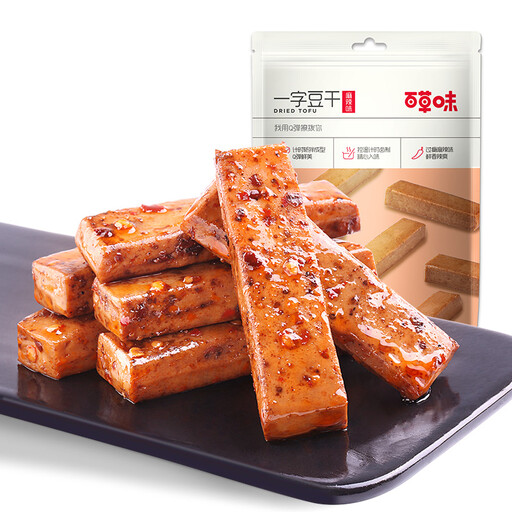
Why it suits this profile: This spicy tofu is aimed at anyone who values a firm, savoury bite and a pronounced soya flavour over a light snack.
The base and allergens are clearly stated: soya protein isolate, wheat gluten and soya sauce. This removes the guesswork based solely on the front of the packaging.
200 grams, ready to eat, with 12 grams of protein and 2.6 grams of salt per 100 grams according to the product information.
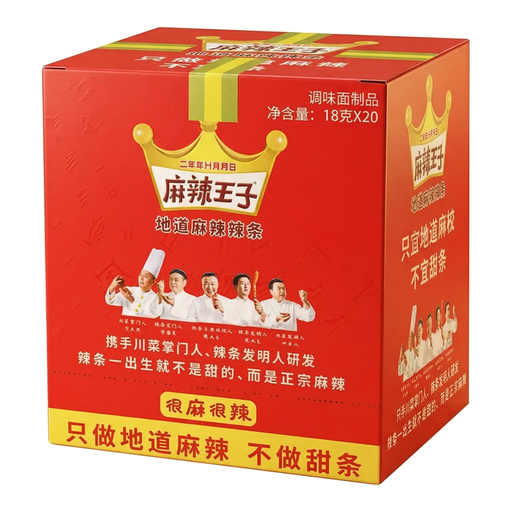
Why it suits this profile: The twenty 18-gram portions are practical for gaming, a film night or sharing with friends who enjoy a bold mala flavour.
The term “extra spicy” is stated explicitly in the product name, making the choice clearer than with packaging showing only a vague chilli image.
360 grams in total, twenty individual sachets, with 440 kcal and 6.07 grams of salt per 100 grams according to the product information.

Why it suits this profile: This is not a ready-to-eat snack for on the go, but a frozen combination for hotpot, soup or stir-fries at home.
The cooking instructions are clear: cook straight from frozen for 5–7 minutes and check that the centre is fully cooked. Thawing is not required.
Four varieties in one pack: fish balls, pork meatballs with a filling, squid rolls and beef meatballs. Store at -18 °C or below.
We have put together a complete, up-to-date list of products that fully meet these strict selection criteria and the applicable European safety regulations.
Choose a mild mala variety or a small individual portion. This allows you to try the combination of chilli and Sichuan pepper at your own pace. Also check the description for terms such as “mild”, “hot and sour” or “extra spicy”.
Store dry, ready-to-eat snacks in a cool, dry place according to the packaging instructions. Seal an opened bag securely and consume the product within the stated period. Frozen products, such as hotpot meatballs, must remain frozen and should not be refrozen after thawing.
Product information for various konjac snacks lists values of around 108–117 kcal per 100 grams. This does not automatically mean that every portion has the same nutritional value. Always check the total contents, number of sachets, salt content and ingredients list before placing your order.
