
Vandaag of morgen in huis

Kwaliteit gegarandeerd

Welkomstaanbiedingen ontgrendelen: GRATIS bezorging | Tot 80% korting | Gratis 30 dagen JoyPlus-proefperiode
Download de app
Chinese spicy snacks are hugely popular with fans of Sichuan flavours, chilli and the distinctive tingle of Sichuan pepper. However, it can be tricky to quickly work out exactly what you’re buying online. A flashy packet doesn’t tell you much about portion size, allergens or how the snack should be stored.
With this practical buying guide, you can compare Chinese spicy snacks based on verifiable product information. That makes it easier to find the right snack for on the go, with a drink, during a film night or to share.
Mala refers to the combination of heat from chilli and a numbing or tingling sensation from Sichuan pepper. However, the intensity varies from product to product. A konjac snack with Sichuan pepper might be mainly tingling, whereas a gluten stick or duck snack may focus more on salt, garlic or spices.
So always check the full ingredients list. Words like chilli, Sichuan pepper, garlic, ginger and chilli oil give you a much better idea of the flavour profile than just “spicy” on the front.
Many vegetarian snacks, konjac snacks and spicy gluten sticks contain soya or wheat. Konjac is often combined with tapioca starch, oil, soy sauce or wheat-containing seasonings. If you have an allergy, always check the allergen information on the product page and the packaging.
Terms like “tripe-style” or “vegetarian tripe” describe the shape and texture. They don’t mean the product contains tripe or any other meat, but do check the ingredients before you order.
A box with twenty or nearly thirty small bags is handy for portion control and sharing. However, the total nutritional values are usually given per 100 grams. So work back to one bag if you want to know how much you’re eating per snack session.
Also pay attention to the best-before date and storage instructions. Some ready-to-eat snacks can be kept unopened in a cool, dry cupboard. Once opened, the product information often says you need to eat them quickly and store them well sealed.
Check before you buy:
For example, the Wanderfort duck wings contain 95% duck wings according to the ingredients list, but also wheat and fish sauce with anchovies. The Jie Chan Fang duck wings also contain 95% duck wings and list wheat and soya as allergens.
Spicy snacks can vary a lot. The Weilong konjac products in this selection list around 84 to 117 kcal per 100 grams, depending on the variant. That only tells you about the energy value; the amount of salt and the portion size are equally important.
The hot-and-sour konjac variant, 360g, lists 8.2 grams of salt per 100 grams, for example. That’s significantly higher than some other konjac variants. So don’t just compare calories – also compare salt, fat, sugar and portion weight.
Most of the selected snacks are ready-to-eat. This applies to konjac snacks, Chinese meat snacks, duck neck and gluten sticks. The dried Sichuan sausage from Laweiju is an exception: according to the product information, it needs to be steamed or fully cooked through. Eating it raw is not intended.
Store unopened products as indicated on the packaging. An opened pack usually needs to be sealed well and consumed quickly. Always check the best-before date on the actual product.
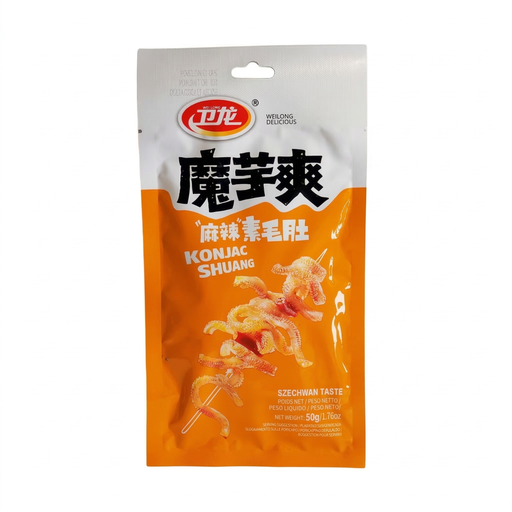
Why this fits the profile: The small pack is ideal for trying a spicy konjac snack for the first time without committing to a large box. The snack is ready-to-eat and contains 50 grams according to the product information.
The product weight and nutritional values are clearly stated. Do check the soya and wheat allergens before ordering.
50 g pack, ready-to-eat and a stated energy value of 84 kcal per 100 g.
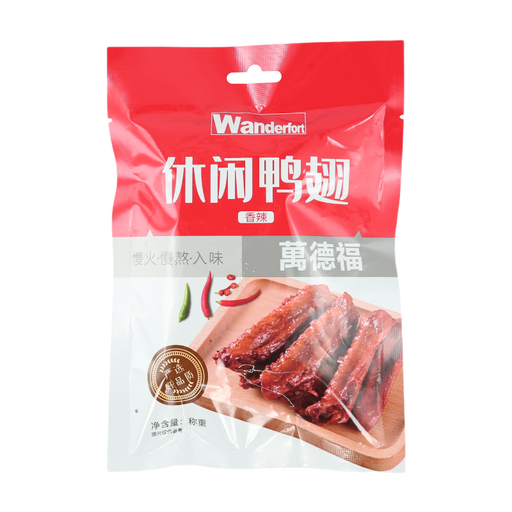
Why this fits the profile: If you’re after meaty Chinese snacks, this marinated duck snack contains 95% duck wings. It can be eaten straight away or gently warmed.
The proportion of duck meat is clearly stated. Do note the presence of wheat, fish and the stated salt content of 3 g per 100 g.
105 g pack, 25 g protein per 100 g and suitable as a snack or party bite.
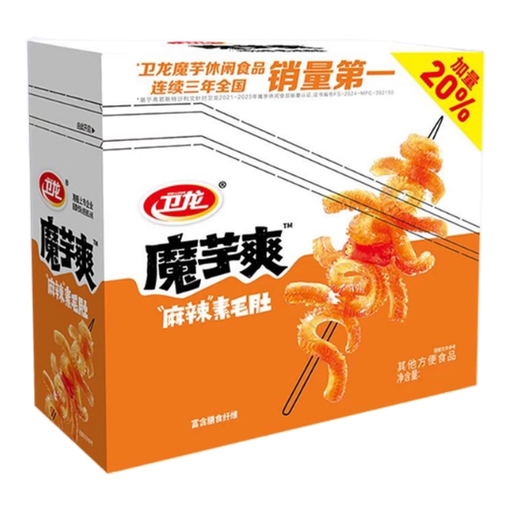
Why this fits the profile: The box contains 20 individual bags, making it practical for parties, the office or regular snacking. The product is konjac-based and has a mala flavour profile.
The portions are individually wrapped, so an opened outer box doesn’t expose all the snacks at once. The packaging lists sesame as an allergen.
20 portions totalling 360 g, ready-to-eat and a stated energy value of 117 kcal per 100 g.
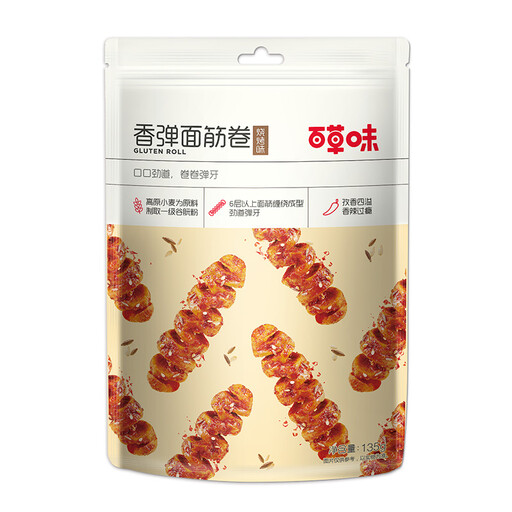
Why this fits the profile: This plant-based snack combines a crispy and chewy texture with a barbecue flavour. The pack contains six portions and is handy for sharing.
The base ingredient is clearly stated as wheat gluten. This makes it immediately obvious that this snack is not suitable for anyone avoiding gluten or wheat.
135 g pack, 20 g protein per 100 g and a product that can be eaten straight away.
We’ve put together a full, up-to-date list of products that fully meet these strict selection criteria and comply with current European safety regulations.
Small, individually wrapped konjac snacks, gluten sticks and duck neck are practical for eating on the move. They usually don’t need heating and you only open one portion at a time. Do check the storage instructions, especially on warm days.
Many konjac snacks are offered as vegetarian or plant-based, but the ingredients vary. Check the ingredients for meat, fish, soya, wheat and sesame. A vegetarian label doesn’t automatically mean the product is free from all allergens.
Mala snacks combine chilli with Sichuan pepper. This means you often get a tingling sensation alongside the heat. Regular spicy snacks may be based mainly on chilli, garlic, barbecue spices or a sweet-and-spicy sauce. Compare the ingredients if you’re looking for a specific flavour profile.
