
Vandaag of morgen in huis

Kwaliteit gegarandeerd

Welkomstaanbiedingen ontgrendelen: GRATIS bezorging | Tot 80% korting | Gratis 30 dagen JoyPlus-proefperiode
Download de app
Chinese spicy snacks are hugely popular with fans of Asian snacks, Mala flavours and crunchy treats. However, an eye-catching packet can sometimes set the wrong expectation. One snack might be light and crispy, while another is chewy, salty or heavily spiced. This practical guide will help you compare spicy Chinese snacks by ingredients, texture, size and when to enjoy them.
Heat can come from chilli powder, a spiced blend or Sichuan pepper. The latter gives not only warmth but also a tingling, numbing sensation often associated with Mala or Sichuan cuisine. A snack labelled “spicy” might be mildly seasoned, whereas “extra spicy” can be noticeably stronger.
So, pay attention to the full flavour description:
Packets of 200 to 300 grams might seem handy for a party, but check whether the contents come as one open bag or as individual portions. Smaller packs are more practical for on-the-go snacking and help keep the crunch intact. With a large bag, being able to reseal it is important.
Also look at the nutritional information per 100 grams. This makes products easier to compare. For example, Weilong Kiss Burn lists a salt content of 15.75 grams per 100 grams for the chicken variant. That’s a concrete detail to consider when you’re putting together a selection of snacks.
Marketing terms don’t always tell you exactly what you’re buying. Check the ingredients list and allergen information. A snack made from wheat gluten, for instance, can have a chewy texture but isn’t suitable for anyone avoiding gluten or soya. Terms like “non-fried” or “low-temperature baked” describe a production method; they don’t automatically say anything about the overall nutritional value.
According to the product description, some Wo Long rice snacks use a non-fried process. Even so, compare the fat, salt and sugar content on the label.
The main ingredients usually determine the bite:
If you’re specifically looking for Chinese rice crackers or spicy rice snacks, check the percentage of rice or millet. The Wo Long Mala Rice Crust, for example, states at least 65% millet. The Sichuan variant of Wo Long states at least 60% millet, plus at least 0.5% Sichuan peppercorns and 0.5% sesame.
Always check the current packaging before buying. Many Chinese snacks contain or may contain:
The Oishi Prawn Crackers contain 5.5% prawns according to the product information, and also list fish, soya and wheat as allergens. Wo Long Old Stove Rice Crackers contain rice, palm oil, maize starch, spices and salt according to the description, but may contain traces of gluten, soya, milk, peanuts, nuts and sesame.
For consumers with an allergy, the allergen declaration is more important than a general label like “Asian snack”.
For a taster session, bags of 40 to 120 grams are easy to manage. For a film night, party or Chinese snack hamper, packs of 200 grams or more are more practical. Individual portions are useful for school, work or eating on the go.
Store snacks according to the packaging in a cool, dry place, away from direct sunlight, and seal the bag well after opening. Consume opened products quickly, as crackers and puffed snacks can lose their crispy texture.

Why it fits the profile: A small pack to try spicy prawn crackers without committing to a large quantity. The snack is ready to eat and suitable for a lunchbox or drinks.
The size makes the purchase straightforward. The ingredients list states 5.5% prawns, so the seafood flavour isn’t just implied by the product name.
40 grams, crispy texture and ready to eat. Note: contains prawns, fish, soya, wheat and gluten.
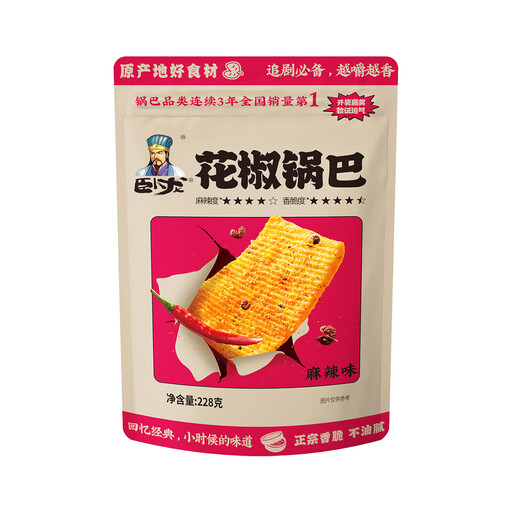
Why it fits the profile: For those specifically looking for Sichuan snacks with both heat and the characteristic tingling effect of Sichuan pepper.
The product information gives specific percentages for millet, soya, sesame and Sichuan peppercorns. This helps you match your flavour expectations to the ingredients.
228 grams, at least 60% millet and a clear Sichuan profile. Contains soya and sesame; may contain gluten.
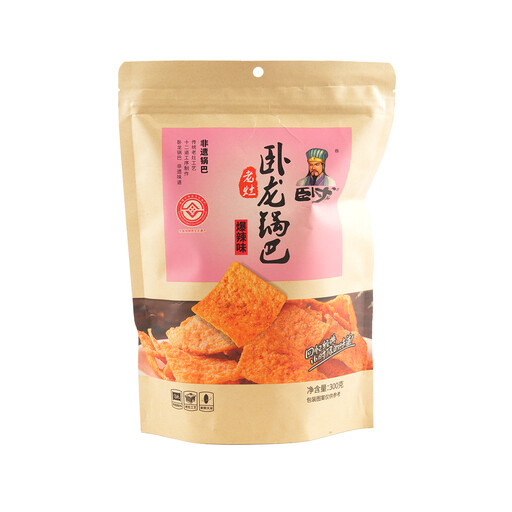
Why it fits the profile: A generous bag for fans of distinctly spicy rice snacks during films, drinks or longer snacking sessions.
The product description states at least 65% millet and “extra spicy” as the flavour profile. So you know it’s a grain-based snack with a serious kick.
300 grams, at least 65% millet and approximately 1.1 grams of salt per 100 grams according to the product information. Contains cereals with gluten.
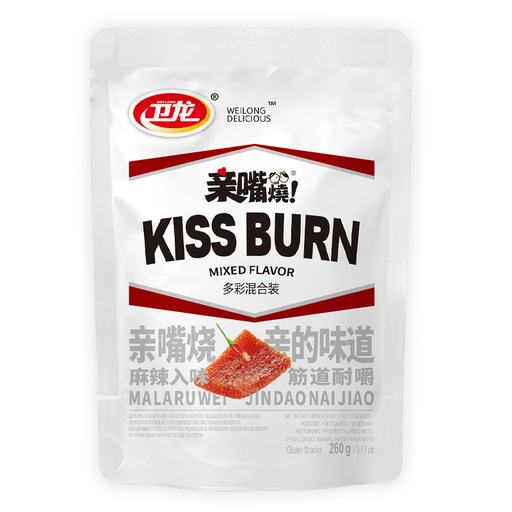
Why it fits the profile: The wheat base is designed for a soft, chewy bite rather than a dry cracker texture. The individual sachets are practical for sharing.
The texture and portioning are clearly described. So you’re not just choosing based on the name “spicy”, but also on mouthfeel and usage.
260 grams, approximately 26 sachets and a flavour combination of chilli, cumin and Sichuan pepper. Contains wheat and soya; contains sweeteners.
We’ve put together a full, up-to-date list of products that fully meet these strict selection criteria and comply with current European safety regulations.
Start with a small pack and a flavour that isn’t described solely as “extra spicy”. Oishi Prawn Crackers are a compact option with a light, crispy texture and a seafood taste. If you’d rather avoid prawns or fish, choose a rice cracker without those allergens, after checking the label.
Mala usually refers to a combination of heat and the tingling sensation of Sichuan pepper. Regular spicy snacks may contain mainly chilli and therefore taste warmer without that numbing effect. Check the ingredients list for terms like Sichuan peppercorns, Sichuan pepper or a Sichuan spice blend.
Keep the bag in a cool, dry place, seal it well and store it away from direct sunlight. Eat the crackers soon after opening. Individually wrapped snacks, such as some gluten snacks or mixed snack packs, keep their portion packaging until you eat them. Always check the storage and best-before information on the packet.
