
Vandaag of morgen in huis

Kwaliteit gegarandeerd

Welkomstaanbiedingen ontgrendelen: GRATIS bezorging | Tot 80% korting | Gratis 30 dagen JoyPlus-proefperiode
Download de app
When you buy Chinese spicy snacks, it’s easy to focus on the picture and the word “spicy”. That can be disappointing. One snack might be mostly salty and oily, while another has a distinct Sichuan pepper, chilli or cumin flavour. The texture also varies widely: from soft gluten strips to springy konjac or crispy chilli oil.
This buying guide helps you compare spicy Chinese snacks in a practical way. You’ll see what to look for in ingredients, allergens, portions and when to eat them. Then, we’ve included some recommendations for different eating habits.
A product can contain chilli without being particularly hot. With mala snacks, there’s also the numbing, tingling effect of Sichuan pepper to consider. That’s quite different from just extra chilli heat. Hunan snacks often use chopped chilli, garlic and salt, whereas Sichuan snacks tend to combine Sichuan pepper, chilli oil and aromatic spices.
So, check the ingredients list. Words like chilli, Sichuan pepper, cumin, garlic and fermented beans tell you far more than a “spicy” claim on the front.
A bag weighing several hundred grams might seem good value, but once opened, freshness declines. Individual sachets are much more practical for on-the-go snacking, gaming sessions or parties. They also let you open smaller amounts rather than the whole pack at once.
Also, pay attention to the preparation method. Some products are ready to eat, while a dish like malatang still needs water, boiling and a few minutes of prep.
Many vegetarian Chinese snacks are made from wheat gluten, soya, tofu or konjac. That can make them suitable for people who don’t eat meat, but they aren’t automatically safe for anyone with a gluten or soya allergy.
Always check the current packaging for:
Products with sweeteners may also carry a warning about being a source of phenylalanine. The product page and packaging are what you should rely on.
The base largely determines the eating experience:
For individual use, small packs are handy. The WEILONG Konjac Snack Spicy Flavor contains 50 grams, while some Mala Wangzi variants come in packs of six or twenty individual sachets. For sharing, a 260-gram pack or a 360-gram multipack makes more sense.
Also, look at the nutritional values per 100 grams. Chinese snacks can be relatively high in salt, fat or sugar. For example, the Weilong Kiss Burn Spicy Chicken Flavor lists 15.75 grams of salt per 100 grams. That’s a good reason to choose your portion size carefully, rather than just looking at the total pack weight.
A short ingredients list isn’t automatically a guarantee of a certain flavour, but it does make comparing easier. With chilli sauces, the percentage of chilli matters. Tantanxiang Premium Chopped Chili states 75% fresh chilli. Lao Gan Ma Spicy Crispy Oil Chili lists chilli, peanuts, black beans and sesame, among other things.
With Chinese chilli sauce and chilli oil, also check the storage advice. Many products can be kept unopened in a cool, dry place, but once opened, they need to be refrigerated and used quickly.
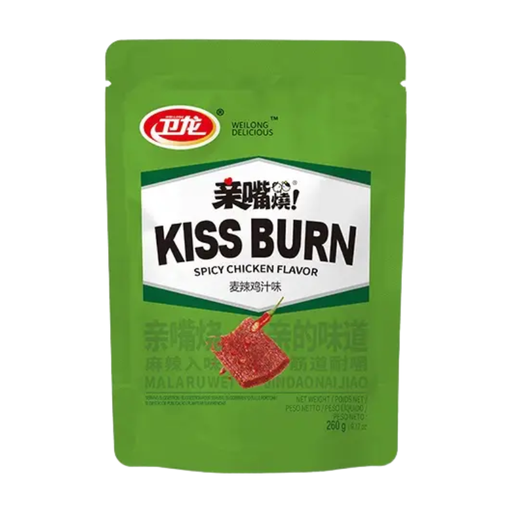
Why this fits the profile: According to the product information, the pack contains around 26 small portions. That makes it easy to try a limited amount first and to share the snack.
The portions are individually wrapped. Do check the listed allergens: wheat, soya and mustard.
Wheat-based, chewy snack; 260 grams total; ready to eat.
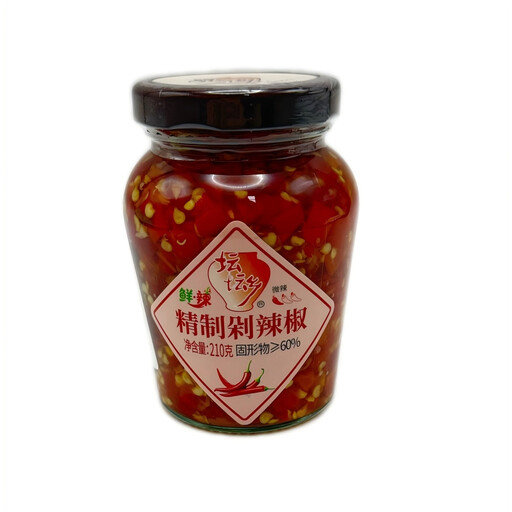
Why this fits the profile: A flavour enhancer with a clear Hunan profile for shoppers who want to use chilli not just as a snack, but also in meals.
The ingredients state 75% fresh chilli, so the basis of the flavour is verifiable. The product contains soya and a lot of salt.
210 grams; ready to serve; works with rice, noodles and stir-fries.
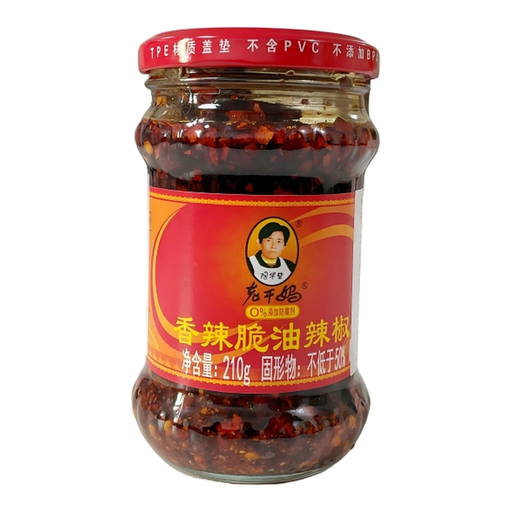
Why this fits the profile: Handy for anyone who wants one jar to use with noodles, rice, dumplings, hotpot or as a dipping sauce.
The ingredients and allergens are clearly specified: includes chilli, peanut, soya, sesame and wheat. Not suitable if you have those allergies.
210 grams; crispy components; suitable as a topping, dip and cooking ingredient.
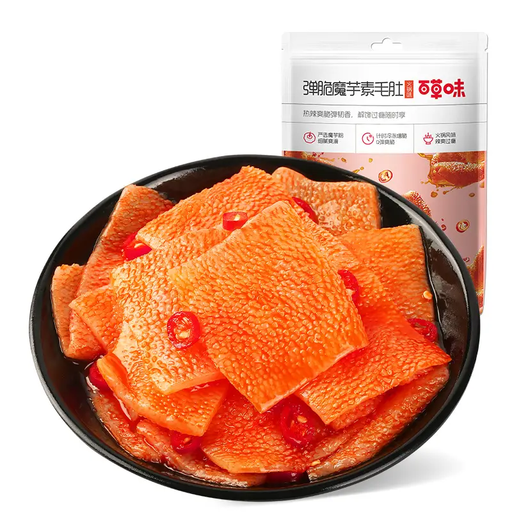
Why this fits the profile: The snack is konjac-based and, according to the product description, has a springy, crunchy texture with a Sichuan hotpot flavour.
The base is clearly stated, but the product does contain soya, sesame and wheat according to the allergen information.
120 grams; ready to eat; a texture that differs from wheat gluten and is great for snacking moments.
We’ve put together a full, up-to-date list of products that fully meet these strict selection criteria and current European safety regulations.
Start with a product that has individual portions and a clear flavour description. Wheat gluten snacks like spicy strips usually have a soft, chewy texture. Konjac is springier and can give a different first impression. Choose a small pack if you’re not sure yet whether mala, Sichuan pepper or Hunan chilli suits you.
Some are. Gluten, konjac, tofu and soya snacks are often plant-based at their core, but always check the full ingredients list. A flavour like “spicy chicken” might, for example, contain artificial chicken flavourings; that doesn’t automatically mean the product contains meat, but the exact composition and any allergens remain the deciding factors.
Unopened products should generally be kept cool, dry and out of direct sunlight, as stated on the product label. Once opened, many sauces need to be refrigerated. Always follow the storage instructions on the packaging and close the jar tightly. This helps minimise quality loss and gives you a better idea of how long the product stays usable after opening.
