
Vandaag of morgen in huis

Kwaliteit gegarandeerd

Welkomstaanbiedingen ontgrendelen: GRATIS bezorging | Tot 80% korting | Gratis 30 dagen JoyPlus-proefperiode
Download de app
Chinese spicy snacks are popular with fans of Sichuan flavours, mala seasoning and satisfying textures. However, eye-catching packaging doesn’t tell you much about what’s inside. Some snacks are crisp and light, while others are chewy, savoury or heavily seasoned. Not all products are vegetarian or gluten-free, either, and some may not keep for long once opened.
Use this practical buying guide to compare Chinese spicy snacks based on information you can check: ingredients, allergens, nutritional values, portion size and when you plan to enjoy them.
Many vegetarian snacks are made with soya protein, wheat gluten or sesame. This includes tofu snacks, soya protein snacks and spicy gluten snacks, for example. Always check the allergen information. A plant-based snack can still contain soya, wheat, gluten, sesame, mustard or sulphites.
A Chinese snack box or large multipack may look appealing for parties and film nights. However, check the total weight, the number of individual packs and how long the snacks will keep after opening. A 360-gram bag with 12 portions is different from one large pack that needs to be eaten soon after opening.
Mala refers to the combination of chilli and Sichuan pepper. Chilli brings the heat, while Sichuan pepper can create a tingling or numbing sensation. The intensity varies from recipe to recipe. So check the ingredients list: Sichuan pepper, chilli, garlic, cumin, sesame and pickled pepper will give you a better idea of the flavour profile than the front of the pack alone.
Start by choosing the type of snack that suits your preferences:
The product name and ingredients list together tell you what to expect. Marketing terms such as “beef-style” or “vegetarian meat” usually describe the texture or flavour, not the presence of beef.
Individually wrapped packs are handy for taking on the go or keeping at work. They limit contact with the surroundings and make sharing easy. A large multipack is a good choice for a games night, having friends round or stocking the cupboard.
Check the net weight:
Always follow the storage instructions on the packaging. Many ready-to-eat snacks should be kept in a cool, dry place and eaten soon after opening. Products with resealable packaging or individually wrapped portions are easier to plan around.
Don’t compare calories alone. Check salt, fat, sugar, protein and additives per 100 grams, too. Values vary considerably between categories. For example, the Hao Ba Shi konjac snack lists 68 kcal per 100 grams, while a crunchy yam snack lists 530 kcal per 100 grams. That doesn’t make either product good or bad; it simply helps you choose what suits you.
Also check for:
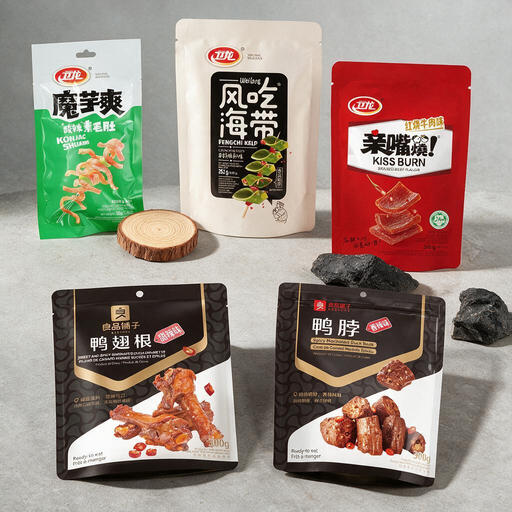
Why it suits this shopper: An assortment weighing 1,364 grams, with several flavours including konjac, kelp, gluten and duck. Handy if you want to try a range of Chinese spicy snacks first.
The variety means you don’t have to buy a large quantity of one unfamiliar flavour. Bear in mind that each product in the assortment may contain different allergens.
Five flavour profiles, ready to eat and ideal for sharing.

Why it suits this shopper: This vegetarian snack is made mainly with soya protein. According to the product information, it has a firm, chewy texture and a spicy seasoning.
The ingredients and allergens are clearly listed. The product does contain soya, wheat/gluten and sesame.
90 grams, ready to eat and 20.1 grams of protein per 100 grams according to the label.
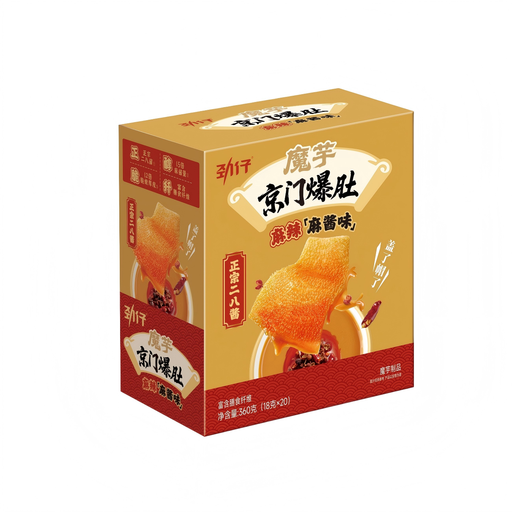
Why it suits this shopper: The box contains 20 individual 18-gram packs. They’re handy for lunchboxes, the office or gaming, and make it easy to share portions during an evening with friends.
The portions are individually wrapped, so you don’t have to open a large bag all at once. The product contains soya, peanuts and sesame.
20 portions, made with konjac and 196 kcal per 100 grams according to the product information.
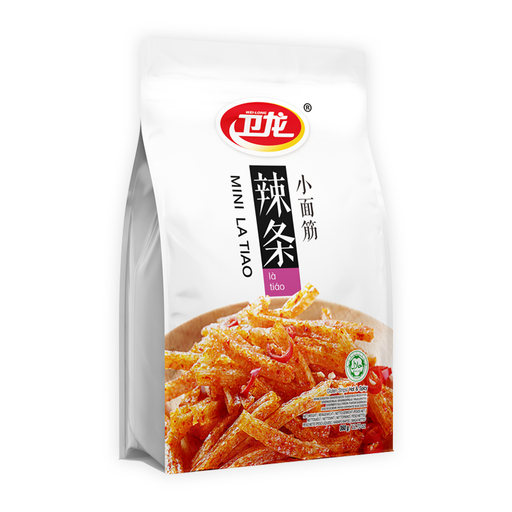
Why it suits this shopper: The pack contains 12 portions of wheat gluten seasoned with chilli, Sichuan pepper, cumin and mustard. A natural choice if you’re looking for chewy, spicy Asian snacks.
The individual portions make sharing straightforward. Check for wheat, soya and mustard before buying.
360 grams, 12 individual portions and a clear Sichuan-inspired seasoning profile.
We’ve put together a complete, up-to-date list of products that meet these strict selection criteria and current European safety regulations.
Tofu snacks, konjac snacks and snacks made with soya or wheat gluten are often vegetarian, but always check the full ingredients list. A flavour name such as “beef-style” doesn’t automatically mean the product contains beef. Also look out for potential allergens such as soya, wheat and sesame.
Store unopened products as directed on the packaging, usually in a cool, dry place away from direct sunlight. You can leave individual packs sealed until you’re ready to eat them. Opened packs usually need to be eaten soon; some products need to be refrigerated after opening.
Compare net weight, price per 100 grams, portion packaging, ingredients, allergens and shelf life. Check whether the product is ready to eat and whether the snack suits your dietary preferences. That way, you won’t end up with an appealing snack box full of products you can’t or don’t want to eat.
