
Vandaag of morgen in huis

Kwaliteit gegarandeerd

Welkomstaanbiedingen ontgrendelen: GRATIS bezorging | Tot 80% korting | Gratis 30 dagen JoyPlus-proefperiode
Download de app
Chinese soy sauce is a staple flavouring in many British kitchens. You use it for stir-fries, marinades, noodles, steamed fish or as a dip for dumplings. Yet many bottles look remarkably similar. A gold label, terms like “premium” and a long shelf life don’t automatically tell you what you’re getting in the pan or on the table.
If you mainly look at the front of the packaging, you could end up buying a sauce that’s too salty for everyday use, tastes sweeter than expected or comes in an awkwardly large size. With these checkpoints, you can compare Chinese soy sauce based on the information that really matters.
“Gold label”, “gold label” and “premium” are product names. They do not, in themselves, form a European quality category. So always check the ingredients list, the type of sauce and the recommended use.
A light soy sauce is usually intended to season dishes and add a savoury flavour without darkening the colour too much. A dark soy sauce typically has a different role, for example in braised dishes. The name on the label is therefore less important than the composition and application.
A product may be described as soy sauce without additives, while another variant with a similar name contains flavour enhancers, sweeteners or colourings. Always look at the full ingredients list.
For example: Haday Black Bean 0 Gold Label Light Soy Sauce lists water, black beans, salt, wheat, sugar and yeast extract. The product information states 0% additives. Other gold label variants, on the other hand, list monosodium glutamate, ribonucleotides, sweeteners or flavour enhancers. That doesn’t automatically make them unsuitable, but it does mean they differ in taste and composition.
Soy sauce is a concentrated flavouring. In the available product information, the salt content ranges, for example, from 14.7 grams to 19.5 grams per 100 ml across different light soy sauces. For matsutake variants, an even higher value is sometimes stated.
Therefore, use small amounts and taste before adding extra salt. Also pay attention to the serving size: a splash of 15 ml contains much less salt than 100 ml, but can still make a noticeable difference in a light meal.
Check whether the sauce contains soybeans and wheat. Wheat means that gluten-containing cereals are present. If you have allergies or intolerances, read the packaging and allergen declaration carefully.
Also look out for:
According to the manufacturer’s product information, Haday 0 Golden Label Light Soy Sauce is made with, among other things, non-genetically modified soybeans, wheat, salt, sugar and yeast extract. The mention of “traditional” comes from the product description; treat this as a brand claim and always check the label on the bottle you receive.
Not every Chinese soy sauce is equally practical for every dish.
If you want more depth, you can combine Chinese flavourings. Chinese rice vinegar adds a fresh acidity to cucumber salad or dumplings. An aromatic Chinese vinegar works well with cold dishes, dips and some stir-fries. Use vinegar and soy sauce together in moderation: the acidity brings balance, but doesn’t automatically replace the salt.
A 500 ml bottle is suitable when you want to compare different variants or don’t cook Chinese food every day. For a large household, meal prep or professional use, 1.75 or 1.9 litres can be more practical.
After opening, check the instructions on the label. Some products recommend refrigeration, while others simply require a well-sealed bottle in a cool, dry place. For the Haday 0-Added Gold Label Light Soy Sauce in 1.9 litres, refrigeration after opening is recommended. A large bottle is only good value if you use it within the stated period.
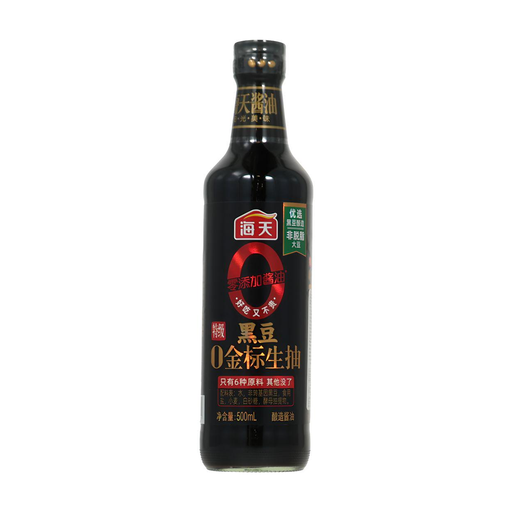
Why this fits the profile: The 500 ml bottle is manageable for anyone trying Chinese dishes at home and looking for a light soy sauce for dipping, stir-frying and general seasoning.
The ingredients list states six main ingredients and no listed colourings, preservatives or added flavour enhancers. Check the label upon receipt.
30% black beans according to the product information, 500 ml volume and 16 g salt per 100 ml.
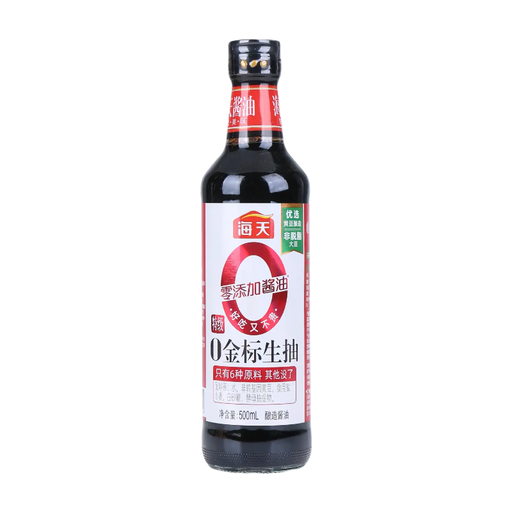
Why this fits the profile: This variant suits cooks who want a traditionally described, light soy sauce for steamed fish, seafood, salads and subtle dips.
The product information lists six ingredients and no artificial additives. The salt content is clearly stated: 15.6 g per 100 ml.
Contains non-genetically modified soybeans according to the product information and is suitable for multiple light preparations.
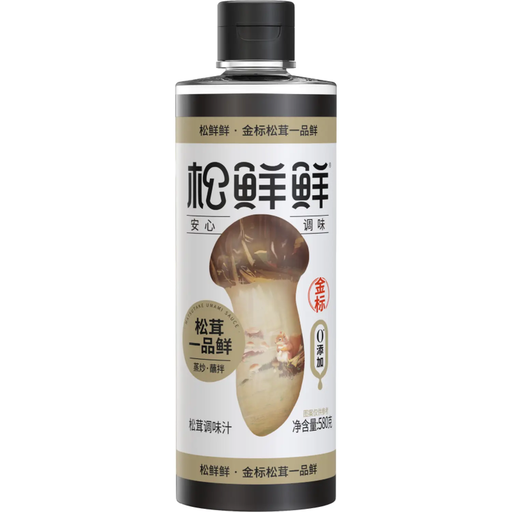
Why this fits the profile: The addition of matsutake and concentrated monk fruit extract is interesting for cooks who want a pronounced umami flavour alongside standard soy sauce for soups, marinades and stir-fries.
The flavour components and allergens are listed: the product contains soybeans and gluten-containing cereals. So you know this isn’t a neutral base sauce without extra flavour components.
580 g volume, suitable for dipping, stir-frying, pickling, soups and cold dishes; store at 0–4 °C after opening according to the product information.
We’ve put together a full, up-to-date list of products that fully meet these strict selection criteria and comply with current European safety regulations.
Store an unopened bottle according to the instructions on the label, usually in a cool, dry place away from direct sunlight. Seal the bottle tightly after use. If refrigeration is recommended after opening, keep it in the fridge. This helps preserve the flavour better.
When cooking, start with one teaspoon per person and add more later if needed. For stir-fries, it often works well to add the sauce along the edge of the hot wok at the end. For a dip, you can combine Chinese soy sauce with Chinese rice vinegar, sesame oil, spring onion or ginger. Taste first before adding extra salt.
Light soy sauce is mainly used for seasoning, dipping and flavouring light dishes. Dark soy sauce is more often used for colour and a fuller flavour in braised and stewed dishes. Always check the product description, as names can vary by brand.
No. “Without additives” tells you about the ingredients that haven’t been added, but not automatically about the salt content. So compare the nutritional values per 100 ml and use the sauce in measured amounts.
That depends on the product and the storage advice. Seal the bottle tightly and follow the packaging. For some variants, refrigeration after opening is recommended. If in doubt, check the best-before date, smell, colour and appearance of the sauce.
