
Vandaag of morgen in huis

Kwaliteit gegarandeerd

Welkomstaanbiedingen ontgrendelen: GRATIS bezorging | Tot 80% korting | Gratis 30 dagen JoyPlus-proefperiode
Download de app
The Asian sauces aisle can be overwhelming. Dozens of bottles, all promising authentic flavour. But which bottle of Chinese soy sauce is truly right for your dish? Many home cooks make the wrong choice, ending up with a sauce that's too salty, too bland, or simply incorrect for their recipe. This not only leads to disappointing meals but also to wasted money.
Before you place a random bottle in your basket, it's helpful to know a few common pitfalls:
You don't need to be a label expert to make a good choice. Pay attention to the following three points, and you'll find it much easier to pick the right bottle.
The production method is the most important factor for flavour.
A good soy sauce doesn't need much. A reliable ingredient list is short and clear: water, soybeans, wheat, and salt. Sugar and yeast extract may be added for balance, but note their position in the list. If they're near the top, the product is likely more of a sweet sauce than a savoury seasoning. Be alert for:
As mentioned earlier, the type of soy sauce is crucial. Make sure you have the basics on hand:
Based on the criteria above, we've highlighted several popular choices that suit different cooking styles and preferences.
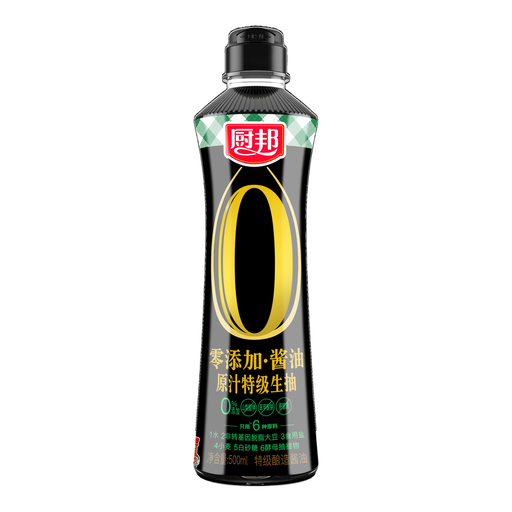
Why This Fits Their Persona: Ideal for the cook seeking pure, unadulterated flavours. This sauce is perfect as an all-purpose light soy sauce for those who want to taste authentic, brewed flavour without the distraction of artificial additives.
This product bypasses the "no additives" pitfall by having a genuinely short and clean ingredient list, based on water, soybeans, salt, wheat, sugar, and yeast extract.
Naturally brewed for a rich umami flavour. Contains no artificial preservatives, colourings, or flavour enhancers.
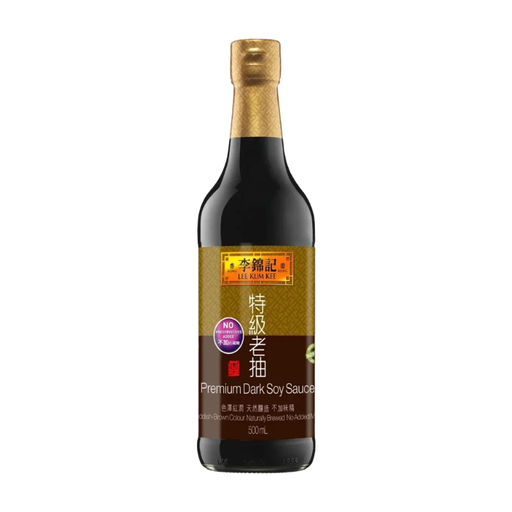
Why This Fits Their Persona: For the cook who wants to elevate stews and marinades. This dark soy sauce from the renowned brand Lee Kum Kee is specially designed to add depth and a rich, dark colour.
This product solves the "light vs. dark" confusion. It is clearly a dark soy sauce, intended for colour and not as the primary salty seasoning, which prevents bad buys.
Adds a deep, glossy colour and a subtle sweet flavour to dishes. It is less salty than light soy sauce, allowing for better control over the salt balance.
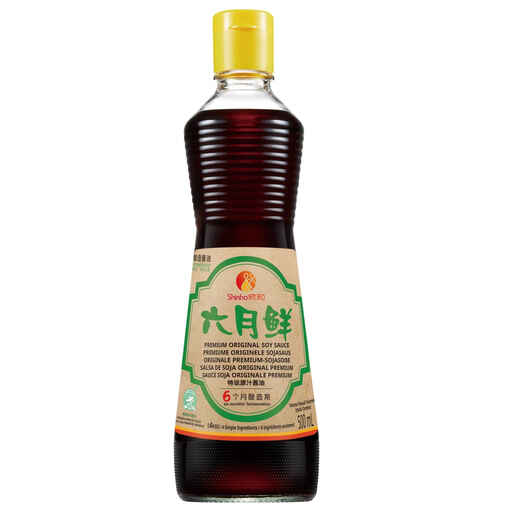
Why This Fits Their Persona: For those who monitor their salt intake without compromising on flavour. This sauce is naturally brewed and has a remarkably short ingredient list, fitting a health-conscious lifestyle.
This product offers a clear benefit: lower salt content. According to the manufacturer Shinho, the salt has been reduced by 26%. This is a concrete advantage, not a vague marketing claim.
Made with only four ingredients. Contains no added sugar, preservatives, or artificial sweeteners, while maintaining a full, savoury flavour.
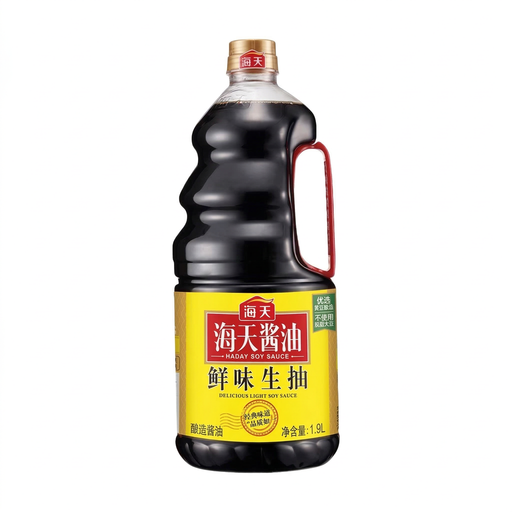
Why This Fits Their Persona: For families and avid home cooks who regularly use Asian sauces. This large bottle from Haday offers excellent value for money for a reliable, versatile light soy sauce.
This product avoids the pitfall of constantly buying small, expensive bottles. It provides an economical solution without compromising on the standard quality needed for everyday dishes.
Very large container (1.9L) ideal for frequent use. A versatile, traditionally brewed sauce for stir-frying, marinating, and dipping.
We have compiled a complete, up-to-date list of products that fully meet these strict selection criteria and local regulations.
The main difference lies in the ratio of soybeans to wheat. Chinese soy sauce is often made with a higher percentage of soybeans, resulting in a more pronounced salty and earthy flavour. Japanese soy sauce (shoyu) typically uses a ratio of about 50/50 soy and wheat, which gives the sauce a slightly sweeter, rounder, and more aromatic taste.
Due to its high salt content, soy sauce will not spoil quickly. However, to preserve optimal flavour and colour, it is recommended to store an opened bottle tightly sealed in the refrigerator. Exposure to air, light, and heat can degrade its quality over time.
No, these are two different things. Traditional soy sauce is brewed with wheat and is therefore not gluten-free. A product with a "no additives" claim can still contain wheat. If you follow a gluten-free diet, look specifically for Tamari (a Japanese variety usually made without wheat) or a product explicitly labelled as "gluten-free."
