
Vandaag of morgen in huis

Kwaliteit gegarandeerd

Welkomstaanbiedingen ontgrendelen: GRATIS bezorging | Tot 80% korting | Gratis 30 dagen JoyPlus-proefperiode
Download de app
Chinese snacks come in many forms, from spicy soya snacks and mala snacks to potato crisps, sweet potato snacks and crunchy biscuits. When buying Chinese snacks online, you will often see appealing claims about flavour, texture or portion size. However, eye-catching packaging does not always tell you exactly what you will receive.
This guide helps you compare Chinese and Asian snacks based on ingredients, allergens, nutritional values, packaging and occasion. That way, you can choose the right snack for a work break, party, gaming session or journey.
Spicy Chinese snacks may contain chilli, Sichuan pepper or a combination of both. As well as heat, Sichuan pepper creates a tingling or numbing sensation in the mouth. This is characteristic of mala snacks, but not everyone expects it based on the word “spicy” alone.
Therefore, check the ingredients for chilli, Sichuan pepper, cumin and spices. A snack containing mainly chilli tastes different from a product with a pronounced mala profile.
Packaging with several individual sachets is convenient for sharing or taking with you. However, look at the total weight, not just the number of packs. A product with 26 small portions may contain less per portion than you expect.
Individually wrapped snacks are practical for a bag, lunchbox or office. After opening, follow the instructions on the packaging and generally consume the product promptly.
Tofu snacks, spicy soya snacks and wheat-gluten-based snacks may be suitable for vegetarians or flexitarians, but always check the full ingredients list. A beef flavour does not automatically mean that the product contains beef; for example, Wei Long Qinzui Shao lists beef flavour seasoning, alongside wheat flour and flavourings.
Also check for allergens. This range includes, among others, wheat, soya, sesame, traces of milk and sulphites. If in doubt, the information on the packaging should be treated as definitive.
First, check the snack’s basic ingredients:
The term “plant-based” describes the basis of the product, but does not automatically tell you anything about its salt, sugar or fat content.
Compare products on the same basis: per 100 grams. This prevents a small sachet from automatically appearing lighter or better value.
Some examples from the range:
These figures are useful for comparison, but the actual portion size remains important.
Texture largely determines whether a snack is right for you:
For frozen products, check the storage temperature. TCT Fried bread stick must be stored at -18 °C or below and must not be refrozen after thawing.

Why it suits this profile: A compact size for trying spicy Chinese snacks without immediately ordering a large multipack. The chewy wheat-gluten texture offers a noticeably different snacking experience from crisps.
The weight of 106 g is clearly stated. However, check that the product contains wheat, soya and sesame before ordering.
106 g, ready to eat and approximately 298 kcal per 100 g. Suitable for a first order or a quick snack.

Why it suits this profile: For anyone looking for a firm tofu snack with Sichuan pepper and chilli. The pack contains seven sachets, making it easy to share and store.
The flavour profile and base are clearly stated: tofu made with soya protein isolate, chilli and Sichuan pepper. Soya is an allergen.
128 g, seven sachets, 12 g of protein per 100 g and ready to eat.
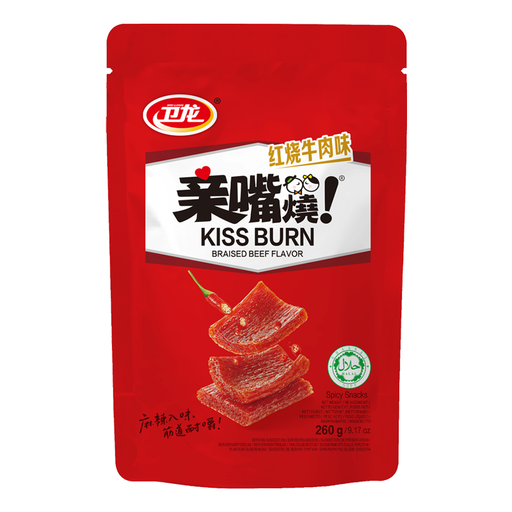
Why it suits this profile: The 26 individually wrapped portions are practical for parties, student houses, office supplies or regular snacking.
Both the total weight and the number of packs are specified. The ingredients list wheat and approximately 6.3 g of salt per 100 g, so compare this with your preferences.
260 g, approximately 26 sachets, ready to eat and easy to take with you.
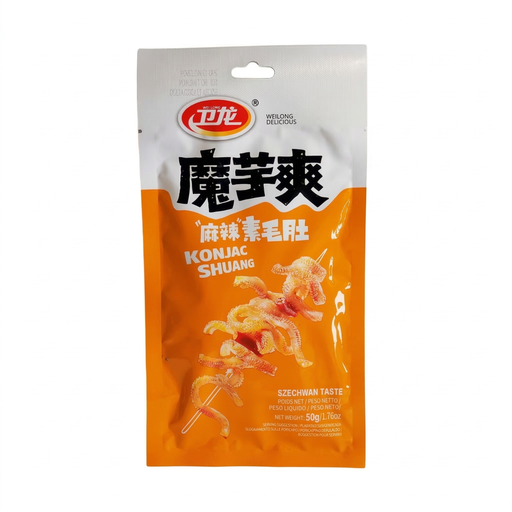
Why it suits this profile: A small portion for anyone wanting to try seaweed and konjac snacks or other Asian snacks with a soft, chewy texture.
The portion is 50 g and the product is made with konjac. The packaging lists soya, wheat and flavour enhancers; check this before buying.
84 kcal per 100 g, 50 g net weight and ready to eat with chilli and Sichuan pepper.
We have put together a complete, up-to-date list of products that fully meet these strict selection criteria and the applicable European safety regulations.
Tofu snacks, dried soya snacks, spicy soya sticks and some wheat-gluten-based snacks are plant-based choices. Always check the ingredients list. A product may contain soya or wheat and still contain no meat, but recipes and allergens vary from one product to another.
Many products in this range are ready to eat, including tofu, konjac, potato crisps and spicy soya snacks. TCT Fried bread stick is an exception: it is a frozen product that still needs to be heated or baked. For each product, check the “use”, “preparation” and “storage” information.
Dry snacks should generally be stored in a cool, dry place away from direct sunlight and moisture. Seal an opened bag securely to preserve its crunch. Individual sachets only need to be consumed after opening, but always follow the instructions on the label. Chilled and frozen products have different storage requirements.
