
Vandaag of morgen in huis

Kwaliteit gegarandeerd

Welkomstaanbiedingen ontgrendelen: GRATIS bezorging | Tot 80% korting | Gratis 30 dagen JoyPlus-proefperiode
Download de app
Buying Asian snacks in the Netherlands may seem straightforward, but the range varies considerably in flavour, preparation, packaging and shelf life. Looking for Chinese snacks for drinks and nibbles, a tea break or a quick meal? Then it is worth looking beyond eye-catching packaging or words such as “authentic” and “traditional”.
As a Joybuy Product Recommendation Officer, I explain what to look out for in practical terms. This makes it easier to find authentic Chinese snacks, Asian biscuits, dim sum and frozen products that suit your needs.
Terms such as authentic, traditional or classic are often part of a product’s presentation. They do not always clearly indicate which ingredients have been used, where the product was made or what it tastes like. Therefore, check the ingredients list, country of origin and preparation method.
According to a brand’s own research, certain flavour or quality claims may be highlighted, but such claims are not an independent guarantee. Focus mainly on verifiable information on the label.
Not all Chinese snacks are ready to eat. Biscuits, crackers and dried dough snacks can usually be eaten straight after opening. Baozi, dumplings, Chinese dim sum, tangyuan and other rice balls are often frozen and must be heated thoroughly first.
Look out for terms such as “ready to eat”, “cooking required” and “raw product”. A frozen product sold raw must be fully cooked before serving.
A family pack can be useful for a party, office or household with several snacking occasions. For occasional use, however, a smaller pack may be more practical. Check the net quantity, individual portions and shelf life after opening. With snacks that lose their quality quickly, a large pack can result in a loss of crispness or flavour.
Frozen Asian snacks generally need to be stored at -18 °C or below. According to the product information, thawed products often must not be refrozen. If you are planning drinks and nibbles or a meal, check in advance that you have enough space in the freezer.
Baozi and steamed buns are usually steamed. Dumplings can be boiled, steamed or fried, depending on the packaging. Tangyuan and other rice balls are generally cooked in boiling water until they float; always check the specific instructions afterwards.
Chinese snacks may contain wheat, gluten, soya, milk, peanuts, sesame, egg, celery and crustaceans, among other ingredients. A vegetarian snack is not automatically free from soya, wheat or sesame. Therefore, check the allergen information before ordering.
For vegetarians, buns with mushroom and vegetable filling may be worth considering, but always check the full ingredients list. In products with a blended flavour, such as barbecue or spicy seasoning, the ingredients may be more extensive than the product name suggests.
Spicy snacks may contain chilli, Sichuan pepper or other spices. This combination creates a different sensation from hot chilli alone. A snack can therefore taste spicy, salty and mildly numbing at the same time.
If in doubt, compare the nutritional values per 100 grams. Across the range, values for energy, fat, sugars and salt vary. Use this information to compare products for drinks and nibbles, tea breaks or everyday use; it is not health advice.
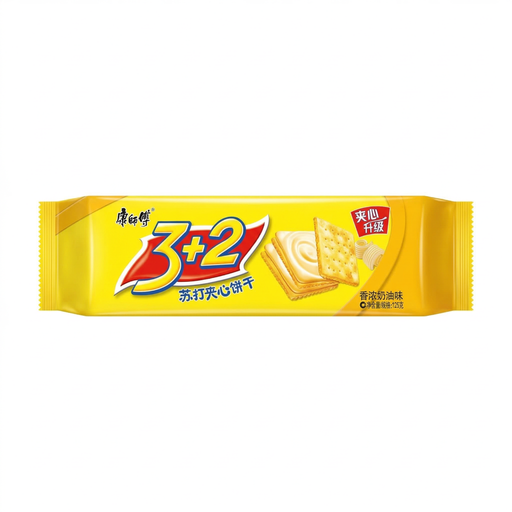
Why it suits this profile: This 125-gram portion is suitable as an introduction to Chinese snacks. The crackers are ready to eat and go well with tea, coffee or a simple snack break.
The product information states a net quantity of 125 grams, storage in a cool, dry place and use immediately after opening. This means you do not have to buy a large supply before you know whether you like the flavour.
Crisp soda crackers, a creamy flavour, ready to eat and with allergen information for wheat, milk and soya.
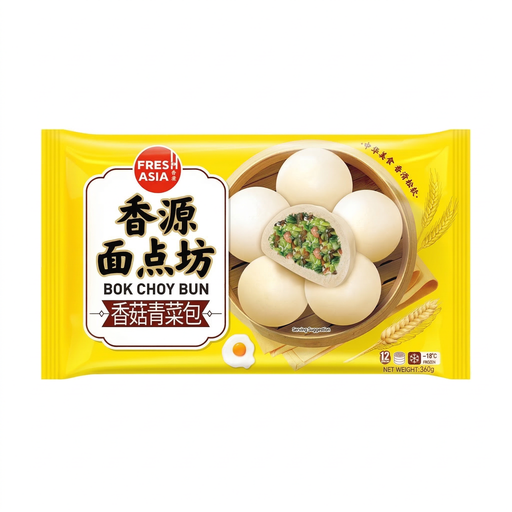
Why it suits this profile: This frozen product is ideal for anyone who wants to serve soft baozi or vegetarian dim sum for breakfast, lunch or as a hot snack.
The product description makes it clear that steaming is required and states that it should be stored at -18 °C or below. Wheat and soya are also listed as allergens.
360 grams, a mushroom and vegetable filling, a vegetarian option and a preparation method suitable for a steamer basket.
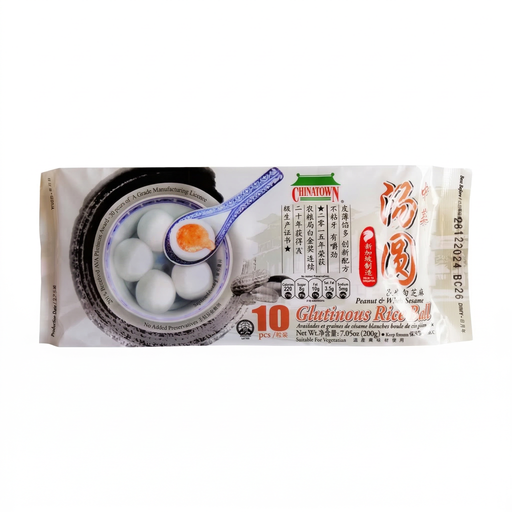
Why it suits this profile: Suitable for anyone looking for tangyuan or sweet Chinese snacks for dessert, a festive occasion or a traditional celebration.
This is a frozen raw product that must be cooked thoroughly. The instructions state that the rice balls should be boiled until they float, then cooked for approximately another 1 to 2 minutes.
Soft glutinous rice coating, peanut and sesame filling, 200-gram pack and suitable for cooking straight from frozen.
We have put together a complete, up-to-date list of products that fully meet these strict selection criteria and the applicable European safety regulations.
For frozen products, also pay attention to delivery. Put them back in the freezer as soon as possible after receiving them and keep the packaging sealed until you are ready to prepare them.
You can buy Asian snacks online from specialist webshops and in physical Asian grocery shops. Comparing products online is particularly useful when you want to assess different product types, pack sizes and preparation methods side by side. When ordering online, always check the storage information and allergens.
Mochi is usually a soft glutinous rice snack with a sweet filling and may be sold chilled, frozen or at room temperature. Tangyuan are generally round glutinous rice balls that are cooked in boiling water and often served in a sweet soup. The exact preparation method varies by product.
It depends on the product. Dry biscuits and crackers should generally be stored in a cool, dry place in a tightly sealed container. Frozen products often must not be refrozen after thawing. Always check the date and instructions on the packaging and follow that information rather than general storage guidelines.
