
Vandaag of morgen in huis

Kwaliteit gegarandeerd

Welkomstaanbiedingen ontgrendelen: GRATIS bezorging | Tot 80% korting | Gratis 30 dagen JoyPlus-proefperiode
Download de app
Buying Chinese snacks may seem straightforward, but there can be major differences between products. Packaging often features appealing terms such as “authentic flavour”, “premium ingredients” or “convenient for on the go”. However, these descriptions do not always tell you how much fish, seaweed, oil or salt the product actually contains.
Use this practical checklist to compare Asian snacks based on verifiable information. That way, you can find the right Chinese fish snack, dried fish snack, seaweed pack or ready-to-eat side dish to serve with rice and noodles.
A 240-gram bag may look appealing, but some products consist of twenty 12-gram sachets. That is convenient for a lunch box or snack break, but less suitable if you are looking for one large pack to enjoy at home. Always check both the net weight and the number of individual snack packs.
“Spicy”, “mala”, “braised” and “sauce flavour” are not standard European flavour categories. For example, one spicy fish snack may contain 1.1% chilli, while another lists 1.6% chilli. Sichuan pepper, garlic, soy sauce and sugar also affect the flavour. So check the ingredients list and do not choose based solely on the front of the packaging.
Particularly with small sachets, nutritional information per 100 grams can give a misleading impression. A 12-gram portion will obviously contain less than the amount shown in the table, but the salt content remains relevant if you eat several sachets. The stated salt content varies between different products in this range. Compare both the table and the serving size.
For fish products, check that fish, usually anchovies, is clearly listed as an ingredient. According to the product information, Jin Zai Deep-Sea Small Fish Braised Flavor contains 69% wild-caught anchovies. The spicy variant also contains 69% anchovies, together with ingredients including chilli, herbs and yeast extract.
Also check the allergens. Many Chinese fish snacks contain fish and soya. Products made with soy sauce may also contain wheat. A mixed seafood snack may additionally contain squid, prawns, crustaceans and sesame. If you have an allergy, always check the current packaging and ingredients list.
The description “crunchy” may produce a different result with moist kelp strips than with dry seaweed sheets. For a dried fish snack, storing it in a dry place is usually sufficient. Kelp and seaweed side dishes often need to be refrigerated after opening.
Individual sachets are practical for school, work or travelling. They reduce the number of times a large bag is opened and make portions easier to manage. However, check that the packaging is undamaged and follow the storage advice on the label.
For moist, ready-to-eat Chinese side dishes, the usual advice is: refrigerate after opening and consume promptly. For example, WU JIANG Kelp Strips is supplied as four 70-gram bags; according to the product information, an opened bag should be refrigerated and used within 24 hours. Dry seaweed snacks, on the other hand, should be stored in a cool, dry place away from direct sunlight to preserve their texture.
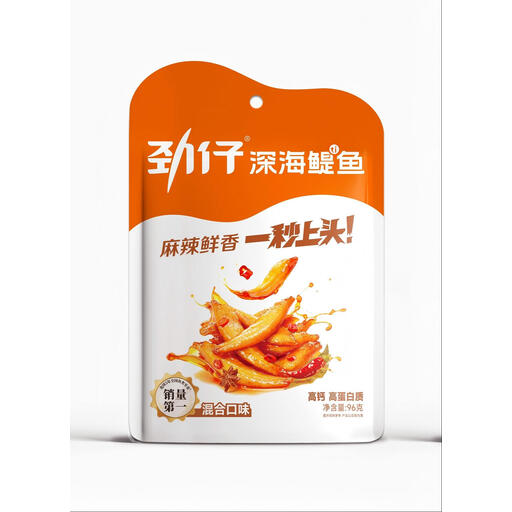
Why it suits this profile: Three flavours in one pack make it easy to compare spicy, mala and sauce flavour without immediately buying several large bags.
The net weight and serving size are clearly stated: 96 grams divided into 12 sachets of 8 grams. This makes the difference between total weight and portion size immediately clear.
Three flavour varieties, ready to eat and individually packed. The product information states that all varieties contain at least 69% anchovies.
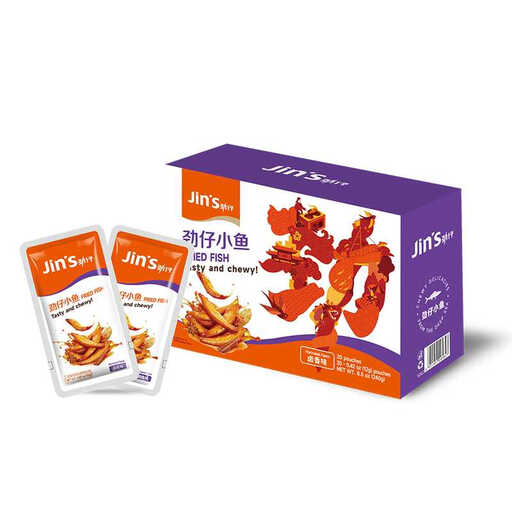
Why it suits this profile: The braised flavour is aimed at those who enjoy savoury, marinated fish with a firm texture, whether as a snack or alongside rice.
The product specification lists 69% anchovies and provides, per 100 grams, 401 kcal, 29.3 grams of fat, 31.8 grams of protein and 2.2 grams of salt. This allows you to compare the composition rather than relying on marketing language.
240 grams total weight, divided into 20 sachets of 12 grams. Ready to eat and easy to pair with rice, noodles or a drink.
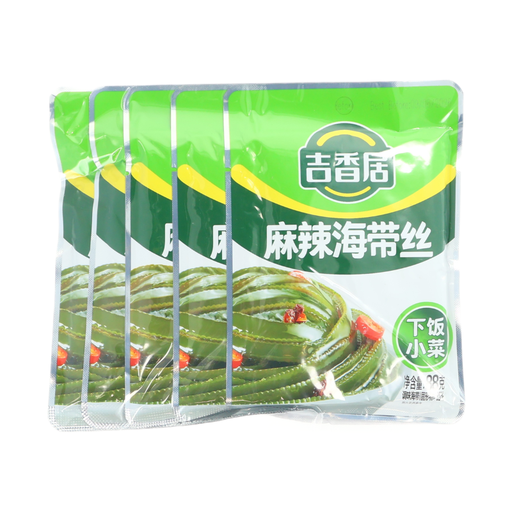
Why it suits this profile: This pack is aimed at those who enjoy kelp, spice and the tingling mala profile, with five separate bags for several eating occasions.
The contents are not hidden in one large volume: 440 grams are divided into five 88-gram bags. The product information also states that it contains 79% kelp and 8.5 grams of salt per 100 grams.
Kelp strips with chilli and Sichuan pepper, ready to eat and ideal alongside rice, noodles or steamed buns. Contains soya and wheat.
We have compiled a complete, up-to-date list of products that fully meet these strict selection criteria and the applicable European safety regulations.
Choose a product with individual snack packs, such as the Jin Zai packs containing 8, 12 or 18-gram sachets. They are easy to take with you, and you do not have to keep opening a large pack. However, always check the allergens and level of spiciness before putting them in a lunch box.
A dried fish snack, such as an anchovy snack, generally has a firm or chewy texture and a pronounced savoury flavour. A kelp snack or seaweed side dish is usually softer or crunchier, depending on how it has been prepared. Store dried seaweed products in a dry place; marinated kelp strips often need to be refrigerated after opening.
Follow the instructions on the packaging. Unopened products are generally best kept in a cool, dry place away from heat and direct sunlight. Once opened, moist products such as kelp or pickled vegetables should usually be refrigerated. Seal the packaging securely and check the stated best-before date.
