
Vandaag of morgen in huis

Kwaliteit gegarandeerd

Welkomstaanbiedingen ontgrendelen: GRATIS bezorging | Tot 80% korting | Gratis 30 dagen JoyPlus-proefperiode
Download de app
Buying Chinese snacks in the Netherlands can be convenient if you are looking for Sichuan flavours, konjac snacks, tofu snacks, dried tofu or Chinese ingredients for cooking at home. The range of Chinese snacks online is extensive, from individually wrapped vegetarian snacks to ready-made cold vegetable mixes and sausages that still need to be heated.
However, eye-catching packaging does not tell you everything. If you only consider the flavour name, price or a term such as “traditional”, you may choose a product that does not suit your dietary preferences or cooking facilities.
Many vegetarian snacks are made with soya or wheat protein. This means they are not suitable for people with a soya or gluten allergy. Always check the ingredients list and allergen information. Some products also contain sesame, peanuts or wheat in the seasoning.
For example, konjac and tofu products may contain soya, according to the product information. A vegetarian snack is therefore not automatically allergen-free, nor is it always vegan. Check the full packaging rather than just the front.
You can generally eat a ready-to-eat snack immediately after opening. This applies to various tofu, konjac and vegetarian snacks, for example. However, Chinese sausage and dried meat are not always ready to eat.
According to the product information, Laweiju sausage with Sichuan green pepper must be cooked thoroughly. Recommended preparation methods include steaming and stir-frying. Hubei preserved pork and various Cantonese sausages also need to be heated. Before buying, check the terms “ready to eat”, “cooking required” and the preparation instructions.
Spicy Chinese snacks may combine chilli, Sichuan pepper, garlic, ginger and chilli oil. As a result, the flavour may be not only hot, but also numbing or sour. For example, the product information for Wei Long Konjac Snack in hot-and-sour flavour states that it contains 8,2 grams of salt per 100 grams. According to the label, the spicy variant contains 3,16 grams of salt per 100 grams.
When comparing products, do not just look for “mild” or “hot”. Check the nutritional values, serving size and seasonings too. A small packet can be useful for portion control, while a larger pack may offer better value when sharing.
The most important points on the label are:
Soya is often the main ingredient in dried tofu or tofu sticks. Vegetarian “meat snacks” may also contain wheat gluten. If you are looking for Chinese ingredients for hotpot, stir-fries or noodles, it is worth distinguishing between a snack that is ready to eat and an ingredient that must first be soaked or cooked.
Choose ready-made Chinese snacks if you are looking for something to eat on the go, at the office or during an evening of studying. Individually wrapped products are practical to take with you and share. Do check the instructions after opening: some products must be eaten immediately or stored in the fridge.
Dried tofu, such as shredded tofu, requires a different approach. According to the product information, this product should be soaked for approximately 20 to 30 minutes and then cooked with the rest of the dish. It is therefore particularly suitable as a cupboard staple for hotpot, soup, stews and stir-fries.
A 360-gram pack may contain approximately 20 small packets, while a 128-gram pack may contain seven packets. Therefore, do not compare only the total price. Also compare:
This makes it easier to see whether a product is suitable for everyday snacking, a tasting session or meal preparation.
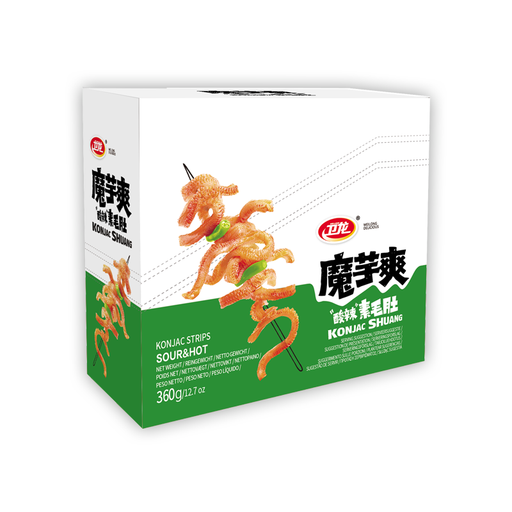
Why it suits this profile: The box contains approximately 20 small packets. This makes it easy to discover spicy Chinese snacks and share them with others.
The product information clearly states that the snack is ready to eat and contains soya. The nutritional information and quantity are specified per pack.
360 grams total weight, individual packets and a sweet-and-sour, spicy Sichuan-style flavour according to the product description.
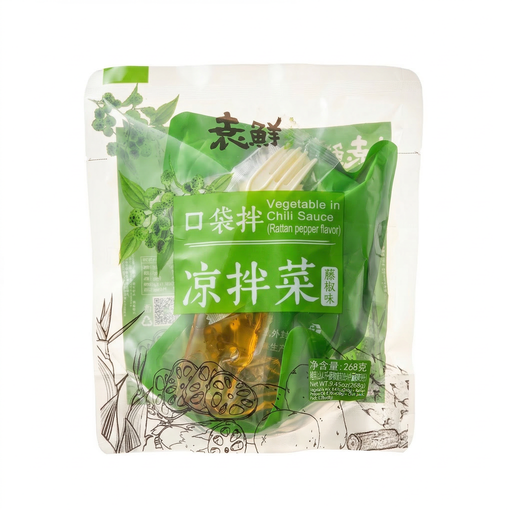
Why it suits this profile: If you are looking for more than a simple snack, this mix combines vegetables, mushrooms and Sichuan pepper flavour in a portable pack.
The instructions explain step by step how to open the packet, add the seasonings and mix everything directly in the packaging.
268 grams, ready to eat and made with ingredients including potato, bamboo shoots, kelp, lotus root and mushrooms. Contains soya, sesame and peanuts.
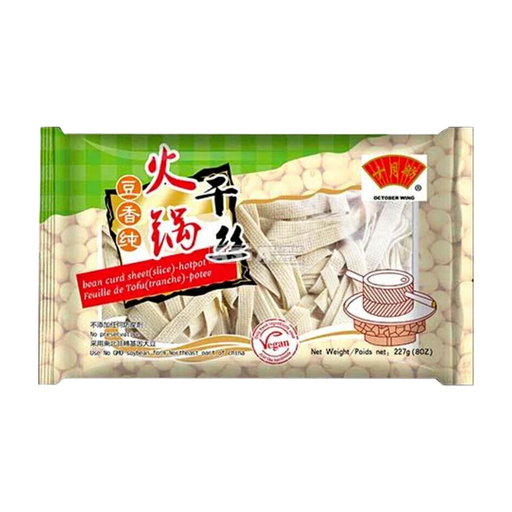
Why it suits this profile: Suitable for home cooks who want to use dried tofu in hotpot, mala tang, soup, stews or cold salads.
The product is not presented as a ready-to-eat snack: the instructions state that it must be soaked and then cooked. This makes the preparation requirements clear in advance.
227 grams of dried soya product, compact to store and made from soya and water according to the product information.

Why it suits this profile: The seven individual packets are convenient for eating on the go, at the office or as a plant-based alternative for snack time.
The product details list soya as an allergen and state that the snack is ready to eat. This makes both the ingredients and intended use clear.
128 grams, seven sachets, a chewy tofu texture and mala flavour with chilli and Sichuan pepper, among other ingredients, according to the product description.
We have put together a complete, up-to-date list of products that fully meet these strict selection criteria and the applicable European safety regulations.
You can buy Chinese snacks online from specialist online shops and retailers offering Asian ranges. Before ordering, compare the ingredients, allergens, shelf life, storage requirements and preparation method. This will help you find a snack that is suitable for eating straight away, sharing or using in a dish.
Konjac snacks, tofu snacks, dried tofu and vegetarian meat snacks may be suitable options, but always check the label. Some products contain soya, wheat, sesame or other allergens. Also check whether the product is actually vegan; “vegetarian” does not automatically mean this.
Shelf life varies from product to product. Unopened dried tofu can be stored compactly in the cupboard, while sausages may need to be refrigerated or frozen. Ready-to-eat snacks often need to be consumed quickly after opening. Always follow the date and storage instructions on the packaging.
