
Vandaag of morgen in huis

Kwaliteit gegarandeerd

Welkomstaanbiedingen ontgrendelen: GRATIS bezorging | Tot 80% korting | Gratis 30 dagen JoyPlus-proefperiode
Download de app
Chinese snacks are popular with anyone who enjoys spicy flavours, mala seasoning and satisfying textures. But the information on the packaging can sometimes be less clear than it seems. A product might be labelled “vegetarian meat”, for example, even though it is made mainly from soya, wheat gluten or konjac. Small portions and a large number of sachets can also make the price per 100 g less obvious.
With this buying guide, you can compare Chinese snacks by ingredients, allergens, nutritional values, portion size and convenience. It’ll make it easier to find the right option for a snack on the go, a film night or as an accompaniment to rice and noodles.
Chinese spicy snacks can vary considerably. Chilli mainly brings the heat, while Sichuan pepper gives mala snacks their distinctive tingling or numbing sensation. So check the ingredients list for both chilli and Sichuan pepper. If the only flavour description is “spicy flavour”, it isn’t always clear how the taste is made up.
Vegetarian meat, vegetarian snacks and “beef tripe”-style products are often made from soya, wheat gluten, protein-rich dough or konjac. The name usually refers to the shape, texture or seasoning, rather than an animal-derived ingredient. If you avoid gluten or soya, always check the allergen information separately.
A box of individual sachets is handy for sharing and taking with you, but compare the total weight with the price. For example, a pack of 18 g × 20 contains 360 g. Smaller sachets can help with portion control, while a 350 g bag is more practical as Chinese side dishes for several meals.
Before buying, check at least the following:
The ingredients and warnings on the product page are useful for an initial comparison. Check the physical label when your order arrives too, as the packaging has the most up-to-date information.
Konjac snacks are often elastic, firm or slightly crunchy. Products made from soya or wheat gluten tend to have a more stringy or chewy texture. Tofu is softer and denser. If you’re looking for Chinese snacks to take on the go, individually wrapped portions are a good choice. Larger bags of pickled vegetables are more practical with rice or congee.
Compare nutritional values per 100 g, but also consider the actual portion size. The products listed range from around 104 to 398 kcal per 100 g. Salt content varies considerably too. A spicy snack is often meant to be eaten as a small portion or side dish, so the nutritional values per sachet can give you a more realistic picture than the figures per 100 g alone.
Also check the shelf life and storage instructions. Many ready-to-eat snacks can be stored unopened in a cool, dry place. Once opened, some products need to be sealed or refrigerated and eaten promptly.

Why it suits this profile: A straightforward pack of around 28 individual portions for anyone trying spicy konjac snacks for the first time or looking to share.
The weight, number of packs and 6% konjac content are listed. Soya and wheat are identified as allergens.
Ready to eat, individually wrapped and listed at 114 kcal per 100 g.
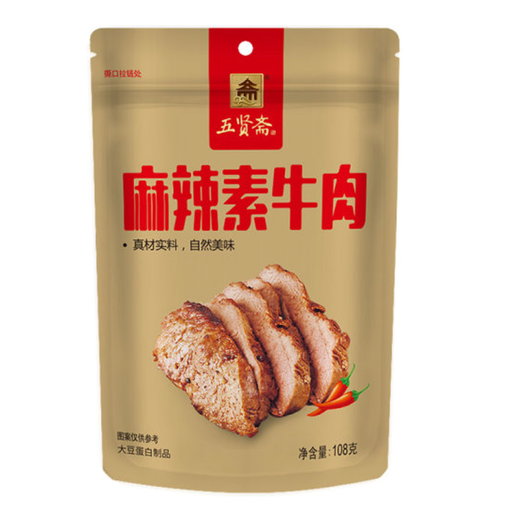
Why it suits this profile: For fans of a distinct mala flavour, with soya as the main ingredient and a firm, meat-like texture according to the product description.
The ingredients list a soya product, chilli and Sichuan pepper. With 6.75 g of salt per 100 g, a small portion makes sense.
20.9 g of protein and several small sachets in a 108 g pack.
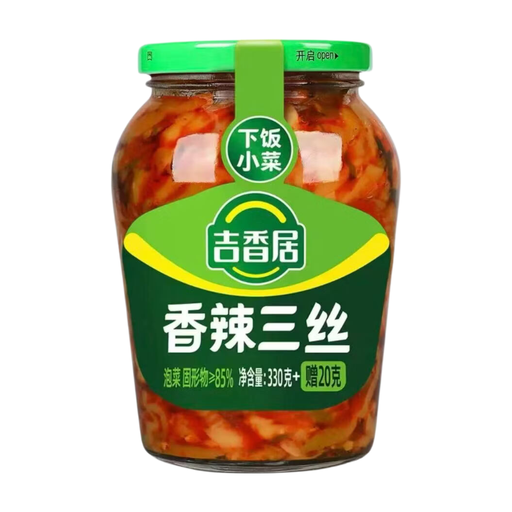
Why it suits this profile: A larger bag for anyone looking for Chinese side dishes to serve with rice, noodles, porridge or a shared meal.
The pack lists a weight of 350 g and clearly identifies the allergens: mustard, soya and wheat. Once opened, the product needs to be refrigerated.
Ready to serve and ideal as an accompaniment to several meals.
We’ve put together a complete, up-to-date list of products that meet these strict selection criteria and the applicable European safety regulations.
No, you can’t tell from the product name alone. The range includes vegetarian snacks made from konjac, soya or wheat gluten, but always check the ingredients list and allergen information. “Vegetarian meat” often describes the shape or texture.
According to the product information, unopened packs can often be stored in a cool, dry place away from direct sunlight. Instructions vary once a pack is opened: some products need to be sealed tightly, while others need to be refrigerated. Always follow the packaging label.
Start with a product that comes in small individual portions, with a moderate amount in each sachet. Konjac snacks and seasoned tofu are approachable ways to explore different textures and spice levels. If you’re mainly after Sichuan flavours, look for a combination of chilli and Sichuan pepper.
