
Vandaag of morgen in huis

Kwaliteit gegarandeerd

Welkomstaanbiedingen ontgrendelen: GRATIS bezorging | Tot 80% korting | Gratis 30 dagen JoyPlus-proefperiode
Download de app
Chinese snacks come in many varieties: spicy Sichuan snacks, dried tofu, konjac snacks, seasoned eggs, sunflower seeds and sweet grain snacks. For British shoppers, the key differences lie in flavour, texture, portion size and ingredients. A striking packet doesn’t always tell you everything you need to know about what you’re buying.
Many Asian snacks are based on konjac, soya, wheat gluten or tofu. This makes them suitable for some vegetarian diets, but they can still contain soya, wheat, gluten, sesame or egg. Always check the ingredients list and the bold allergens on the packaging.
A snack with “tripe-style” in its name may look like animal tripe but be made from konjac. Conversely, chicken feet and duck neck snacks are obviously animal products. So don’t rely solely on the product name or picture.
Spicy Chinese snacks can contain chilli, Sichuan pepper, garlic, ginger, chilli oil or fermented bean paste. Sichuan pepper gives not only heat but also a tingling or numbing sensation in the mouth. If you’re only expecting a standard chilli flavour, you might be in for a surprise.
What’s more, the exact intensity isn’t always shown on a universal scale. Look out for ingredients such as chilli, Sichuan pepper, bird’s eye chilli, Moruga scorpion chilli and chilli oil. Individually wrapped snacks are practical for a drink with friends, but a very strong flavour may not suit a mixed group.
A 360g box can contain twenty 18g sachets. That’s handy for sharing and helps with portion control, but compare the price per 100g rather than just the total price. For snacks with a short shelf life once opened, individual packaging is often more practical than one large resealable bag.
Check before you order:
A product description can change. So always use the packaging as your primary source for allergens, nutritional information, shelf life and storage advice.
Compare products on the same basis. A snack that’s relatively low in calories can still be high in salt. In the available product information, salt content ranges from 1g per 100g for pecan-flavoured sunflower seeds to 5g per 100g for a mala konjac snack.
Also look at:
Nutritional values are not personal dietary advice. They simply help you compare products objectively.
Choose based on how you want to enjoy the snack:
For snacks with bones, such as chicken feet or duck neck, consider the texture and how you’ll eat them. They’re less suitable if you’re after a mess-free snack.

Why this fits the profile: The pack contains around 28 individual portions. This lets you try spicy konjac snacks without opening a large loose bag straight away.
The portions make the quantity clearer. However, do check the listed allergens (soya and wheat) and the salt content of 3.16g per 100g.
252g total, ready-to-eat and individually wrapped; the ingredients list 6% konjac flour.
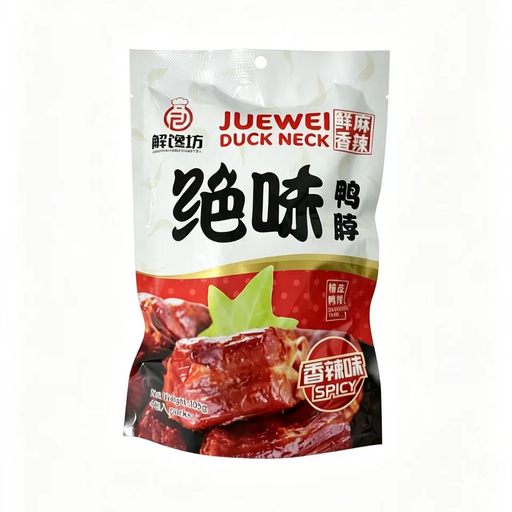
Why this fits the profile: For those after a pronounced meaty snack with Sichuan-style spices, perfect with a beer or a drink.
The duck neck content is clearly stated as 95%. This means the product’s base is verifiable, rather than relying solely on the flavour description.
105g, ready-to-eat and 27g protein per 100g according to the product information; contains soya and wheat.
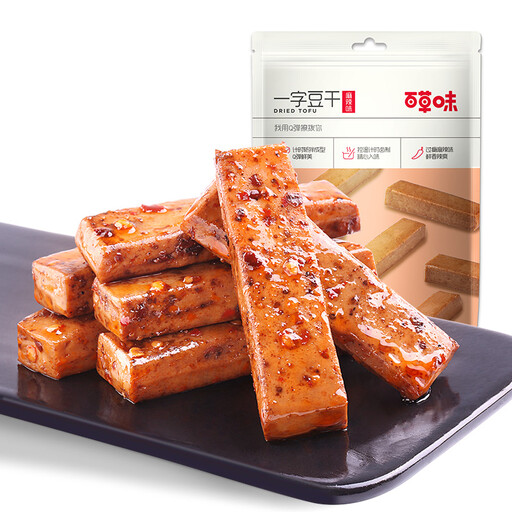
Why this fits the profile: The firm texture and 200g size suit fans of dried tofu who want a stash for several snacking sessions.
The ingredients list soya protein isolate at a minimum of 11% and state soya and wheat as allergens. This makes it easier to compare with other vegetarian snacks.
200g, ready-to-eat and 12g protein per 100g; individually wrapped for storage and sharing.
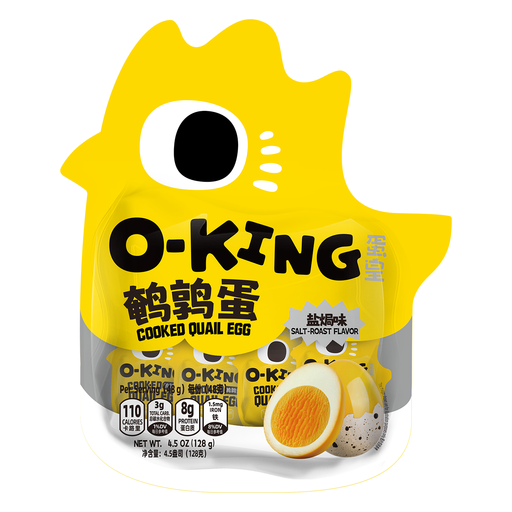
Why this fits the profile: Around sixteen individually wrapped quail eggs are easy to hand out at a party or take with you on the go.
The net weight and estimated portion breakdown are stated. Be aware of egg, soya and wheat as allergens, and the added sweetener.
128g, around sixteen pieces, ready-to-eat and 16.4g protein per 100g according to the product information.
We’ve put together a full, up-to-date list of products that fully meet these strict selection criteria and comply with current European safety regulations.
Konjac snacks, spicy tofu snacks, dried tofu and some wheat gluten products are offered as vegetarian options. Always check the full ingredients list. A product may, for example, contain soya and wheat, while a preparation method or flavouring can add extra ingredients.
Most of the products mentioned should be stored unopened in a cool, dry place away from direct sunlight. Once opened, seal the packaging tightly and consume the product quickly. Always follow the storage advice on the packaging, especially for meat, chicken feet, duck neck and cooked quail eggs.
That depends on your preference for heat, salt and texture. Duck neck, chicken feet, spicy tofu and Sichuan snacks are often chosen as savoury bar snacks. For a group, it’s a good idea to combine several flavours, for example a spicy option with sunflower seeds, potato crisps or a sweeter barley stick.
