
Vandaag of morgen in huis

Kwaliteit gegarandeerd

Welkomstaanbiedingen ontgrendelen: GRATIS bezorging | Tot 80% korting | Gratis 30 dagen JoyPlus-proefperiode
Download de app
Chinese snacks are popular with Dutch shoppers looking for something different from standard crisps, biscuits or sweets. The range includes everything from mala snacks and Chinese crisps to chewy wheat snacks, konjac snacks, prawn crackers and Chinese sweets and snacks with sweet flavours.
Still, it can be tricky to make the right choice based on a colourful packet alone. Below, you’ll find out what to look out for, which pitfalls are common, and which Chinese snacks suit different occasions.
Packets use terms like spicy, hotpot, Sichuan and mala. These words don’t all describe the same flavour. Mala usually refers to the combination of chilli and Sichuan pepper, which can bring a tingling or numbing sensation in the mouth alongside the heat.
If you’re mainly after a savoury flavour, it’s better to check the ingredients and flavour description. A product with chilli, Sichuan pepper, cumin and garlic can taste noticeably more intense than a snack with just a light paprika seasoning.
A 135g or 210g bag might seem ideal for a film night, but check whether the snack stays crunchy after opening. Some products recommend sealing the packet airtight or eating the snack quickly. Individual portions are often more practical for on the go, lunchboxes or sharing.
Also pay attention to the nutritional values per 100g. For example, Weilong Kiss Burn Spicy Chicken Flavor contains 15.75g of salt per 100g according to the product information. That makes portion size especially relevant, even when the snack is divided into several smaller packets.
A product that isn’t fried can still be relatively high in energy, salt or sugar. Always check the nutritional table and ingredients list. For instance, Dianerwa Fresh-Cut Wavy Potato Chips lists an energy content of 542 kcal per 100g, while Be&Cheery Spicy Potato Slices states 126 kcal per 100g. Check the packet at the time of purchase, as product information can change.
Chinese snacks are available as:
Huaseed Original Juice Shrimp Chips, for example, are not ready-to-eat crisps. According to the product information, they need to be fried for a few seconds in oil at around 180°C. That requires more preparation than a snack you eat straight from the packet.
Always check the allergens before buying. Many Chinese snacks contain wheat, gluten, soya, sesame, milk, egg or shellfish. Flavour enhancers, sweeteners and sulphites may also appear in the ingredients list.
For example:
If you have an allergy or intolerance, don’t rely solely on the product name or picture. Read the allergen information on the packet and check for warnings about possible traces.
For an individual snack, packets of around 27g to 70g are handy. For a family, party or film night, bags of 120g or more make more sense. A multipack with small portions can also be useful for students, work or on the go.
The best-before date, storage instructions and information after opening are on the packet. Store dry snacks in a cool, dry place away from direct sunlight. Seal opened crisps well to limit loss of crunchiness.
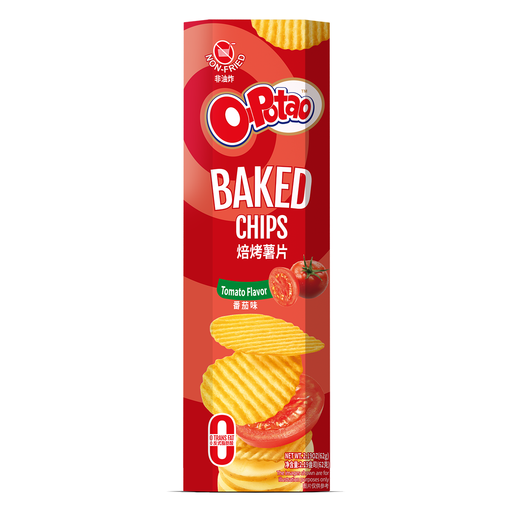
Why this fits the profile: The 62g portion is a manageable size for a first taste of snacks from China. The tomato flavour is less intense than many mala snacks, making it suitable for different eaters.
The product information states a baked preparation method and a clear net weight. Always check the current packet, though.
62g per packet; tomato as a recognisable flavour; ready to eat straight away.
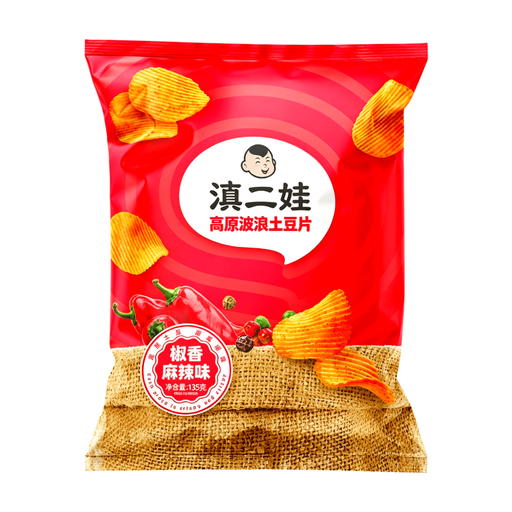
Why this fits the profile: The wavy cut gives a distinct texture, and the combination of chilli and Sichuan pepper is aimed at fans of spicy potato crisps with a mala flavour.
The flavour description explicitly mentions a spicy, tingling seasoning. This makes the profile clearer than a general term like spicy.
135g; wavy potato crisps; salt content of 1.2g per 100g according to the product information.
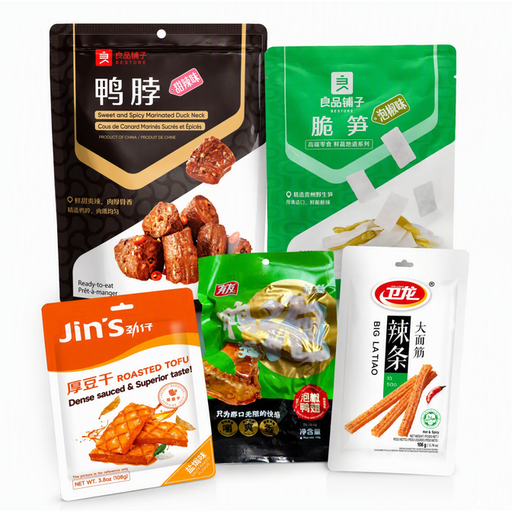
Why this fits the profile: This set is aimed at large groups, parties and stocking up at home. The five varieties combine duck, tofu, bamboo shoots and spicy gluten snacks, among other things.
The individual packets make portioning easier than one large opened bag. Check the allergens and best-before date for each component.
Total net weight of 810g; five flavour directions; ready to eat with no preparation needed.
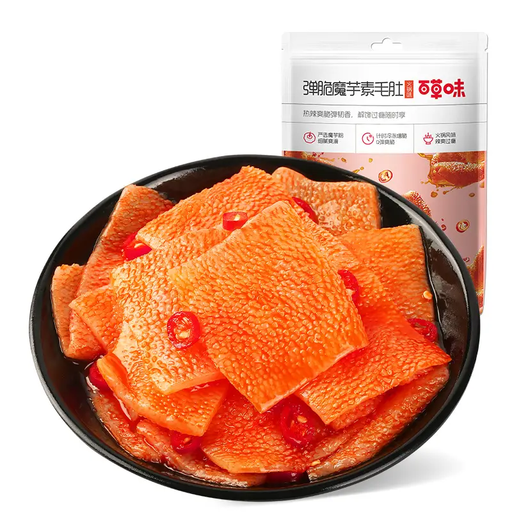
Why this fits the profile: The springy texture and Sichuan hotpot seasoning are a departure from ordinary Chinese crisps. The 120g packet is suitable for sharing or eating over several sittings.
The product name and description mention both the konjac texture and the hotpot flavour. This means you know in advance that it’s not a classic potato crisp.
120g; konjac as the main ingredient; chewy and crunchy texture according to the product description.
We’ve put together a full, up-to-date list of products that fully meet these strict selection criteria and comply with current European safety regulations.
Start with recognisable flavours like tomato, barbecue, chicken or plain potato. Yan Jin Pu Zi O-Potao Tomato and Panpan Chicken Flavour Bites are more accessible than snacks with a pronounced mala or Sichuan pepper flavour. Always check the allergens and nutritional information, though.
An ordinary spicy snack usually uses chilli for heat. Mala snacks often combine chilli with Sichuan pepper. This can create a tingling or slightly numbing sensation alongside the heat. The intensity varies by recipe and brand.
Store opened Chinese crisps in a cool, dry place and seal the packet well. Some products recommend an airtight storage method. It’s best not to eat soft or damp crisps if the texture has changed significantly. Also check the instructions on the packet, especially for snacks with several individual sachets.
