
Vandaag of morgen in huis

Kwaliteit gegarandeerd

Welkomstaanbiedingen ontgrendelen: GRATIS bezorging | Tot 80% korting | Gratis 30 dagen JoyPlus-proefperiode
Download de app
Buying Chinese snacks seems simple until you have to choose between biscuits, sweets, mochi, rice crackers, fried dough twists and frozen products. Attractive packaging reveals little about flavour, portion size or ease of use. For UK consumers, the ingredients, allergens, shelf life and storage method are particularly important.
Whether you are looking for snacks for a tea break, a party, a gift or simply to enjoy at home, these checks will help you avoid making the wrong purchase.
A 300 or 500-gram bag may look appealing, but first check the price per 100 grams and the number of individual portions. A large pack is practical for families or parties, but less suitable if you only eat a snack occasionally. Individually wrapped snacks are also often easier to share out.
Also look out for products containing lots of small packs in one box. This is convenient for sharing, but the net weight remains the relevant quantity.
Chinese pastries and Asian snacks can vary considerably in texture and flavour. Think soft mochi, crunchy rice crackers, light sponge cake, crisp wafers and savoury dim sum. A product with a traditional name can still be sweet, spicy, salty or strongly seasoned.
So check the flavour description and ingredients list. Barbecue products, for example, may contain chilli, cumin, Sichuan pepper or star anise. If you are looking for a mild snack, it is better to choose a plain biscuit, sponge cake or mochi with fruit filling.
Not every product is a ready-to-eat sweet snack. Frozen dim sum must be stored at -18 °C or below and heated thoroughly. Other products can be eaten straight away, but may lose their crunch when exposed to moisture or after the packaging has been opened.
Check the following before buying:
Start by considering when you plan to enjoy the snack. For snacks with tea, soft mochi, Chinese biscuits, egg rolls and pastries are practical choices. For a film night or drinks with friends, savoury snacks such as rice crackers, barbecue wafers and fried dough twists are a better fit.
Dim sum requires a different approach. The delico Dim Sum Assortment includes har gow, beef and pork siu mai, and xiao long bao. This product is not ready to eat: the dumplings must be steamed from frozen and heated thoroughly. The San Quan Original Taste Pancake, on the other hand, should be fried in a pan straight from the freezer.
Always read the allergen information, especially when serving a mixed group. Many Chinese snacks contain wheat, gluten, sesame, soya, milk, egg, peanuts or shellfish. The dim sum, for example, lists wheat, prawns, sesame and soya. The mochi gift box contains sesame.
A product described as having a “fruit” or “milk” flavour does not necessarily contain a high proportion of that ingredient. The Hsu Fuchi Pineapple Cake, for example, lists 13% pineapple filling. So check the specific ingredients list rather than relying solely on the product name.
Nutritional values are usually given per 100 grams. Use this information to compare products fairly. Crunchy biscuits, wafers and dough snacks often contain relatively high amounts of energy per 100 grams. This makes them suitable as an occasional treat, but not automatically as an everyday choice.
Individual packaging is useful for:

Why it suits this profile: An easy introduction to three flavours: matcha, sesame and mango. The box contains 12 individually wrapped 30-gram portions.
The flavours and quantities are clearly specified. This means you know exactly what you will receive and do not have to rely solely on the gift packaging.
360 grams in total, three flavours, ready to eat and individually wrapped. Contains sesame; check the packaging if you have allergies.
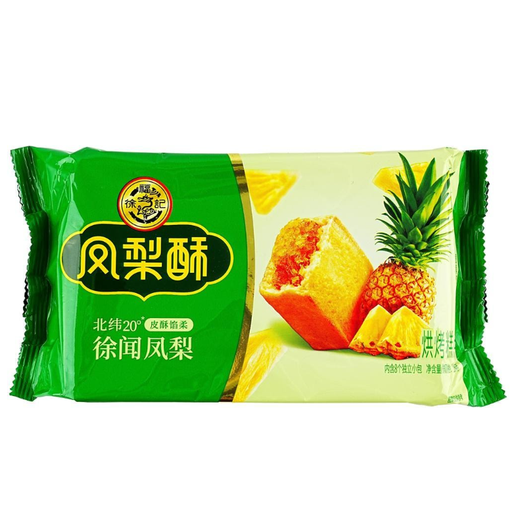
Why it suits this profile: Ideal for anyone looking for a richer Chinese pastry with a crisp exterior and a filling made with pineapple and winter melon.
The pineapple filling content is stated as 13%. This gives you a more precise idea than a flavour name without further product information.
184 grams, ready to eat and suitable with tea or coffee. Contains wheat, egg and milk; store in a cool, dry place.
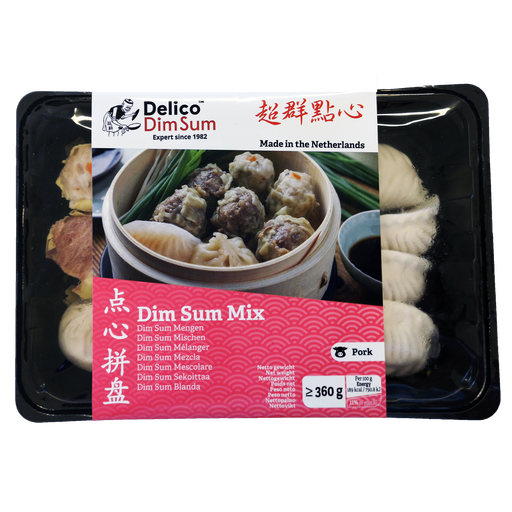
Why it suits this profile: For anyone who wants to create a savoury dim sum meal or snack platter at home instead of serving only ready-to-eat sweet snacks.
The product information clearly states that preparation is required. This prevents it from being confused with ready-to-eat snacks.
Four types of dim sum, 360 grams in total and suitable for steaming from frozen. Contains wheat, prawns, sesame and soya, among other ingredients.
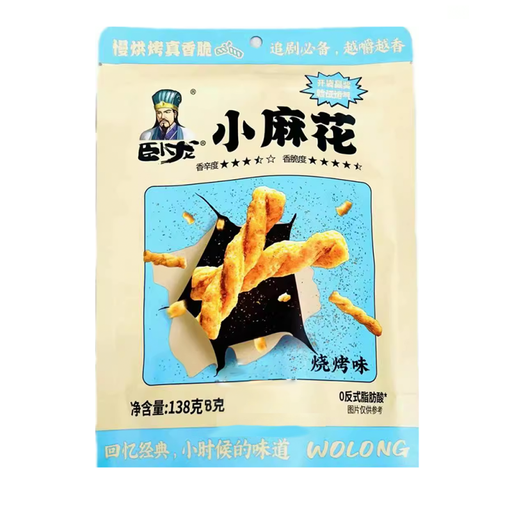
Why it suits this profile: A practical choice for sharing with drinks, during a film night or at an informal get-together. The small twists can be eaten straight from the packaging.
The packaging clearly states the weight, flavour and preparation method. The product does not need to be boiled or fried.
138 grams, barbecue seasoning including chilli and Sichuan pepper, ready to eat. Contains wheat and may contain traces of soya, milk, peanuts, nuts and sesame.
We have put together a complete, up-to-date list of products that fully meet these strict selection criteria and the applicable European safety regulations.
A varied assortment often works better than several similar bags. For example, combine:
When buying a gift, pay particular attention to the presentation, flavours and allergens. A mochi gift box with several flavours is easy to understand, while a large bag of loose biscuits is better suited to a party or family.
You can buy Chinese snacks online from a range that includes sweet snacks, savoury snacks, Chinese biscuits, mochi, rice crackers and frozen dim sum side by side. Always compare the weight, ingredients, allergens, shelf life and storage method before ordering.
Soft mochi, pineapple cake, sachima, egg rolls, milky cake and fried dough twists all pair well with tea. If you prefer something less sweet, choose savoury layered wafers or rice crackers. Check the flavour description if you want to avoid strong barbecue or spiced flavours.
This varies from product to product. Store dry snacks sealed in a cool, dry place and preferably use them soon after opening the packaging. According to the product information, mochi retains its soft texture when the opened packaging is sealed properly and consumed within 24 hours. Frozen dim sum must remain frozen and must not be refrozen after thawing.
