
Vandaag of morgen in huis

Kwaliteit gegarandeerd

Welkomstaanbiedingen ontgrendelen: GRATIS bezorging | Tot 80% korting | Gratis 30 dagen JoyPlus-proefperiode
Download de app
Chinese snacks come in all shapes and sizes – from soft mochi and gummy sweets to dried fruit, hawthorn snacks, candied plums and red dates. This wide selection makes shopping online appealing, but it can also be tricky. A colourful packet doesn’t tell you much about the taste, portion size or allergens. With these practical checks, you’ll find it easier to pick Chinese snacks that suit your moment: on the go, with tea, or for sharing.
Cola gummies, lychee jelly or cinnamon sweets may sound recognisable, but the texture and sweetness can be quite different from British sweets. So don’t just look at the flavour name. Also check whether the product is soft, chewy, crunchy or hard, and whether it comes individually wrapped.
Terms like traditional, pure or natural don’t automatically describe the nutritional value. A snack made with dried fruit, for example, can still be high in sugar. Candied plums may also have sweeteners, salt and sulphites added. Base your choice on the ingredients list and nutritional information, not on marketing language.
Sesame, soya, milk, nuts and sulphites appear in various Chinese snacks. Products may also be made on production lines where gluten, fish or other allergens are present. Always read the current label on the packaging. The online product information is a helpful guide, but the packaging is what counts.
Start with the first ingredients listed – they appear in descending order by quantity. For Xue Ji Original Hawthorn Strips, the product information states the base is more than 55% hawthorn and sugar. For BAMBOO HOUSE Matcha Mochi, the ingredients include maltose, red beans, glutinous rice flour and sesame.
Pay particular attention to:
A claim like “no added colourings” doesn’t automatically mean a product is free from all additives. Check the full list.
A small bag of 50 to 70 grams is handy for on the go or for a trial order. A larger pack is more practical for sharing, but once opened it needs more care with sealing and storage.
Examples:
Choose the size based on how you’ll use it. That way, you avoid a large pack staying open too long and losing its texture or freshness.
Compare per 100 grams when you’re weighing up different products. Pay particular attention to sugars, salt, fats and energy. For example, Bestore Candied Hawthorn contains 65 grams of sugar per 100 grams according to the product information, while Be&Cheery King Plum lists 3.1 grams of salt per 100 grams. That difference matters when you want to combine several sweet and savoury snacks.
The flavours also vary widely:
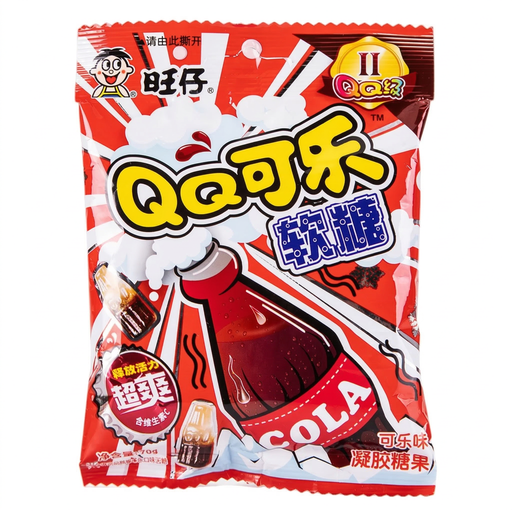
Why it suits this profile: A straightforward size with a familiar cola flavour makes it a good first introduction to Asian snacks.
The product information clearly states the texture, weight, ingredients and allergens. There is also a warning about shared production lines with gluten, soya and fish.
70 g, soft and chewy, ready to eat and easy to take with you.
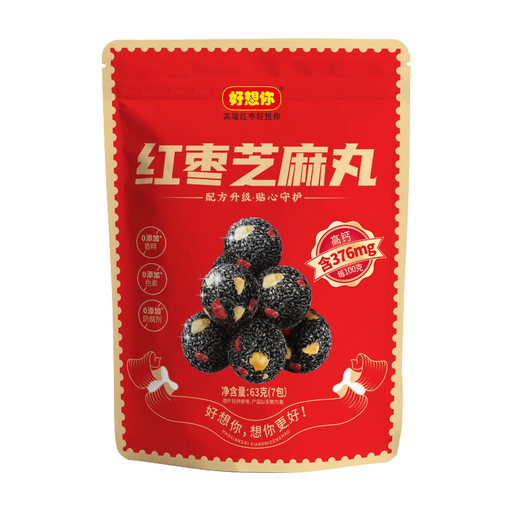
Why it suits this profile: The combination of red dates and black sesame offers a distinctive, traditional flavour with a soft, slightly chewy texture.
The ingredients list is short: black sesame, red dates, malt syrup and honey. The allergen information mentions sesame and possible traces of soya, wheat, peanuts, nuts and milk.
63 g with 7 to 8 pieces, easy to portion, and according to the product information made without added preservatives or artificial colourings.
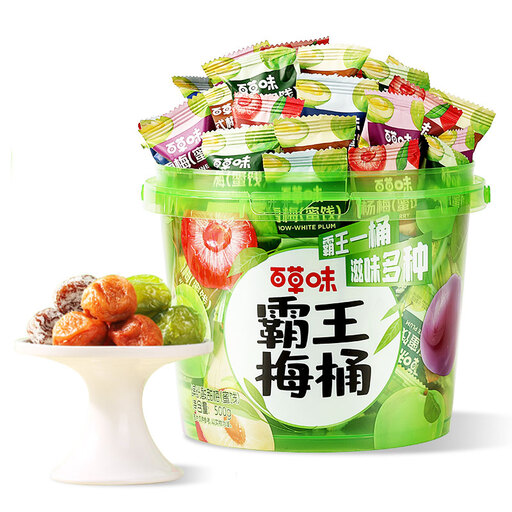
Why it suits this profile: The large bucket with five types of plums is designed for sharing, stocking up or trying several flavour varieties.
The composition lists sweeteners, sulphites and Allura Red E124. This means you can check in advance whether it suits your preferences and household.
500 g, five plum varieties and individual portions for sharing or using over time.
We’ve put together a full, up-to-date list of products that fully meet these strict selection criteria and comply with current European safety regulations.
Store Chinese snacks according to the label – usually in a cool, dry place away from direct sunlight. Seal opened bags properly. Gummy sweets can become harder due to moisture or air. Mochi may change texture after opening and some varieties need to be refrigerated. For products with a short shelf life after opening, it’s wise to choose smaller portions.
If you want to buy Chinese snacks online, it’s a good idea to compare the product page, ingredients and allergens first. That way, you’ll also discover less familiar options like hawthorn strips, dried fruit, red dates or Chinese sweets without relying solely on the packaging.
Start with familiar flavours and small packs, such as cola gummies, lychee jelly or hawthorn strips. If you prefer fruity flavours, you could try candied pineapple or bayberries. For chewy products, pay attention to the texture you want.
Yes, a selection of different sizes and flavours works well for sharing. Choose a combination of mochi, Chinese sweets, dried fruit and candied plums, for example. Do check allergens and warnings beforehand, especially if you don’t know the recipient well.
The best-before date is on the packaging. Unopened products generally last longest when stored in a dry, cool place. After opening, the texture and flavour can change more quickly. So seal the packaging well and follow the manufacturer’s storage instructions.
