
Vandaag of morgen in huis

Kwaliteit gegarandeerd

Welkomstaanbiedingen ontgrendelen: GRATIS bezorging | Tot 80% korting | Gratis 30 dagen JoyPlus-proefperiode
Download de app
Chinese snacks come in many forms: from Chinese dried fruit and Chinese sweets to melon seeds, plum snacks and frozen tangyuan rice balls. This wide range is convenient, but it also makes comparing products more difficult. An eye-catching packet tells you very little about the taste, ingredients or storage method.
When buying Asian snacks online, it pays to focus on three things: when you’ll eat them, the ingredients list and how they need to be stored. That way, you can avoid picking a product that doesn’t suit your preferences or that unexpectedly loses its quality too quickly.
Dried mango, dried dates, dried tangerine and candied fruit often contain natural sugars. Extra sugar, glucose syrup or maltose syrup may also have been added. So don’t just look at the name on the front – check the quantitative ingredient declaration too.
With MUSHAN BASE Dried Mango, the product information states the composition is at least 79.5% mango and at least 13% sugar. The nutritional values are 343 kcal and 36.3 grams of sugar per 100 grams. That makes this snack suitable if you’re after a sweet, soft and chewy treat, but less ideal if you’re trying to limit added sugar.
Tangyuan rice balls and other glutinous rice products are often associated with festive occasions. That doesn’t mean you can eat them straight from the packet. The China Town Glutinous Rice Balls Black Sesame Filling are a frozen raw product and must be fully cooked. Store them at a minimum of -18 °C and do not refreeze them once thawed.
A product like black sesame balls, on the other hand, can be eaten straight away. The Haoxiangni red date black sesame balls are made from black sesame, red dates, maltose syrup and honey. Always check the allergen information on sesame products.
A 500-gram bag might look appealing for family use, but soft snacks can dry out or lose their texture more quickly once opened. Single-serving packs are sometimes more practical for on-the-go or at the office. So pay attention to the combination of net weight, closure, portion size and storage instructions, not just the price per packet.
Look at the ingredients in order of quantity. With dried mango, dried dates or a sweet potato snack, the difference between 100% fruit and a product with added sugar or oil can be significant. Hao Xiang Ni Pitted Jujubes 500g, for example, lists red dates as the only ingredient. The dates are pitted and can be eaten straight away or used in tea, desserts and dishes.
Also watch out for mentions of sesame, gluten, wheat, nuts and sulphites. MUSHAN Dried Mango, MUSHAN Tangerine Dried Fruit and candied pineapple all mention sulphites. The black sesame balls contain sesame. The coconut version of China Town contains wheat. If you have an allergy or intolerance, the packaging is the definitive source; recipes can change.
Compare products per 100 grams, because packet sizes vary a lot. A fruit jelly, for example, may have relatively few calories per 100 grams, while seeds and nuts provide more energy due to their fat content. The Yan Jin Pu Zi Sippable Jelly Snack contains 56 kcal per 100 grams according to the product information, and comes in a 520-gram pack.
The Be&Cheery plum snacks and candied hawthorn snacks typically have a pronounced sweet-and-sour flavour. Check the sugar, sweeteners and salt levels. Some products carry a warning about sweeteners or colourings. For children, it’s wise to read the warnings on the label extra carefully.
Make a distinction between three product groups:
For snacks in small portion packs, such as MUSHAN Tangerine Dried Fruit 50g or candied pineapple 50g, the portion is easy to take with you. A larger pack, like ChaCha Fragrant Melon Seeds 308g, is better suited to sharing with family and friends.
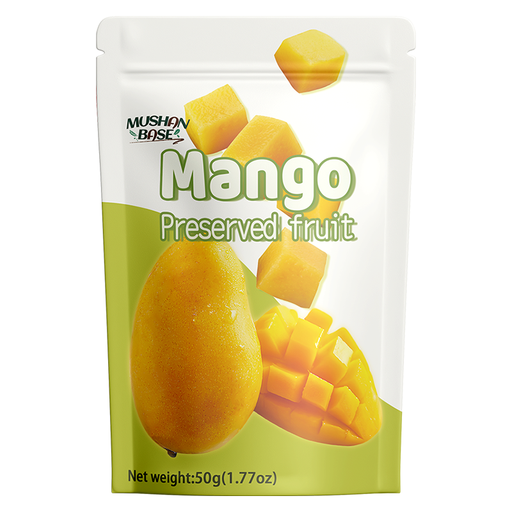
Why this fits the profile: A small pack for anyone who wants to try a soft, sweet-and-sour dried mango first, or who needs a snack for on the go.
The weight, ingredients and preparation method are clearly stated. The product is ready to eat; just be aware of the mention of sulphites.
50 g, at least 79.5% mango and ready to eat.
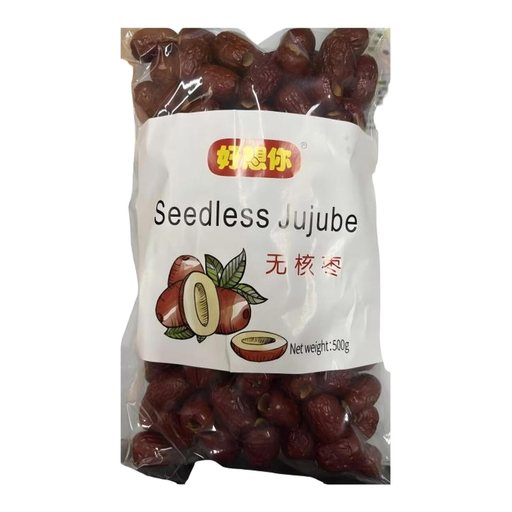
Why this fits the profile: For anyone who wants a larger quantity of Chinese dried fruit for snacking, cooking, baking or tea.
The ingredients list shows red dates as 100% of the composition. The dates are pitted, but must be sealed well after opening.
500 g, pitted and ready to eat; also suitable for use in desserts and dishes.
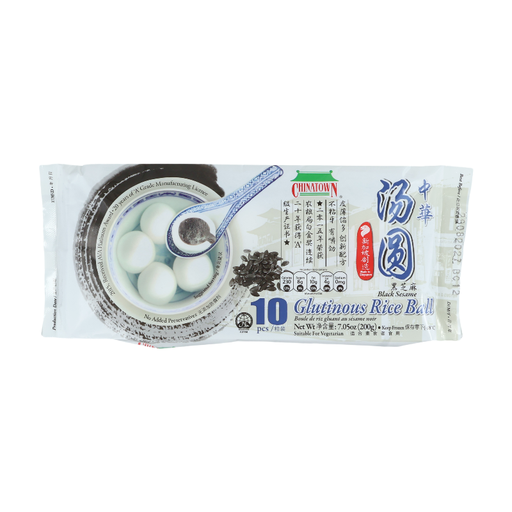
Why this fits the profile: For festive meals, desserts or moments when you want to prepare a traditional frozen product.
The product information clearly states that this is a frozen raw product. Full cooking and storage at -18 °C are essential.
200 g, black sesame filling and suitable for boiling, steaming or frying according to the product description.
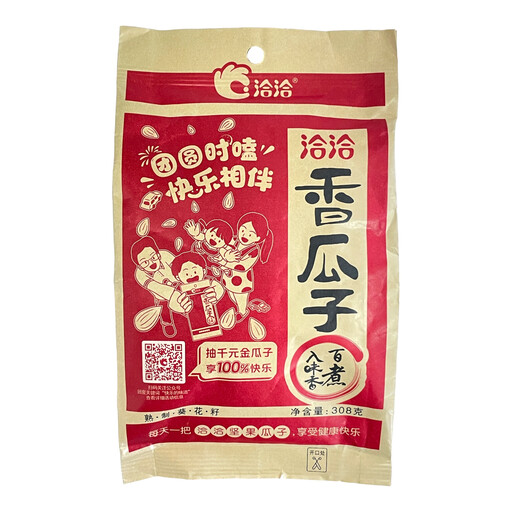
Why this fits the profile: The larger bag with five-spice flavour is practical for sharing when you have guests, during holidays or for a film night.
The bag contains 308 g and can be resealed. This makes the packaging suitable for sharing, as long as you close it properly after opening.
308 g, resealable packaging and a flavour with salt and five spices.
We’ve put together a full, up-to-date list of products that fully meet these strict selection criteria and comply with current European safety regulations.
Dried mango, dried dates, plum snacks, hawthorn snacks, melon seeds, black sesame balls and fruit jelly are usually ready to eat. Always check the usage instructions. Frozen tangyuan rice balls must be fully cooked first.
Store dry snacks in a cool, dry place away from direct sunlight. Seal an opened bag or jar tightly. Some soft products need to be kept in the fridge after opening and consumed quickly. Frozen products should be stored at -18 °C or lower.
Yes, larger packs such as melon seeds, red dates and mixed plum snacks are practical for sharing. For a gift set, you can combine different flavours: sweet fruit, sweet-and-sour hawthorn, a sweet potato snack and a product that needs preparation, such as filled rice balls. Check allergens and storage requirements in advance.
