
Vandaag of morgen in huis

Kwaliteit gegarandeerd

Welkomstaanbiedingen ontgrendelen: GRATIS bezorging | Tot 80% korting | Gratis 30 dagen JoyPlus-proefperiode
Download de app
Buying Chinese snacks and dim sum in the Netherlands may seem straightforward, until you have to choose between steamed bites, snacks from China, desserts and hotpot ingredients. Packaging often highlights flavour, convenience or “traditional” preparation, but the information you need is usually printed in smaller text: allergens, preparation method, serving size and storage temperature.
This guide helps you compare Chinese snacks using verifiable product information. That way, you can avoid a disappointing purchase and choose something suited to a quick meal, drinks and nibbles, a bento, dessert or a hotpot evening.
Frozen dim sum products generally fall into two categories:
A product such as glutinous rice siu mai must be steamed straight from the freezer according to the cooking instructions and must not be eaten raw. Tang yuan rice balls are also often sold as a frozen raw product. They are ready when they float to the surface, but should then be boiled for a little longer.
A 500-gram pack may seem appealing for a family or party, but check the following first:
An assortment containing har gow prawn dumplings, siu mai and xiao long bao offers variety, but may be less suitable when cooking for a large group because of the allergens involved.
Terms such as authentic Chinese snacks or traditional dim sum are no substitute for specific information. Check the ingredients. For har gow prawn dumplings, the percentage of prawn is relevant. In siu mai, rice, vegetables, pork or beef may be the main ingredients. Also check whether the flavour mainly comes from sauce, sugar, salt or flavour enhancers.
For convenience, cooking from frozen and clear cooking times are important considerations. For example, Freshasia Handmade Glutinous Rice Siu Mai specifies 8 to 10 minutes of steaming after the water has come to the boil. According to the product information, Delico Cha Sieuw Bao also requires approximately 8 to 10 minutes of steaming.
Pay attention to the difference between:
Gyoza dumplings can be fried or prepared in another way, depending on the instructions on the packaging. Sanquan mini fried dough sticks are intended to be cooked from frozen in the oven, air fryer or deep fryer.
Frozen dim sum should generally be stored at -18 °C or below. Check on delivery that the packaging and contents are still properly frozen. Many products must not be refrozen after thawing. Some products need to be kept chilled and consumed within a specified period.
Plan your purchase as follows:
Chinese snacks regularly contain wheat/gluten, soya, sesame, egg, milk, peanuts, fish or shellfish. Har gow prawn dumplings, for example, contain shellfish and sesame. Sui mai with vegetables may still contain wheat and soya. Always check the current packaging, particularly if you have allergies or follow a vegetarian diet.
Nutritional value remains important even for snacks described as “non-fried”. The product information for Chacha Crispy non-fried crisps states that the snacks are not deep-fried, but also lists a nutritional value of 502 kcal and 25 grams of fat per 100 grams. “Not deep-fried” therefore does not automatically mean light or low in calories.
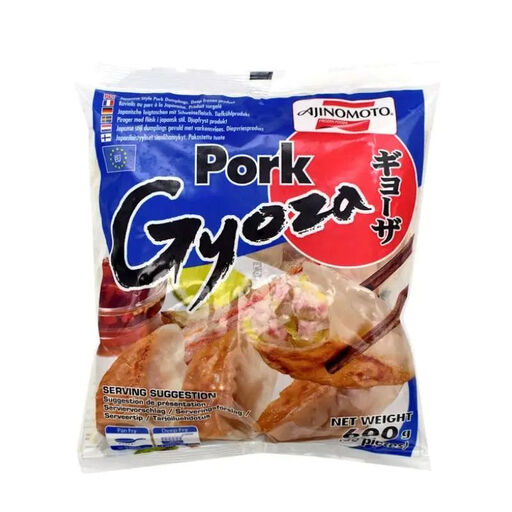
Why it suits this profile: A pack of 30 pieces is practical for trying gyoza dumplings for the first time, preparing a quick meal or cooking in a student room with limited kitchen space.
The number of pieces is clearly stated. The ingredients and allergen information include 19% pork, wheat, gluten and soya.
30 pieces per pack; vegetables make up 31% of the stated composition; suitable for frozen storage.
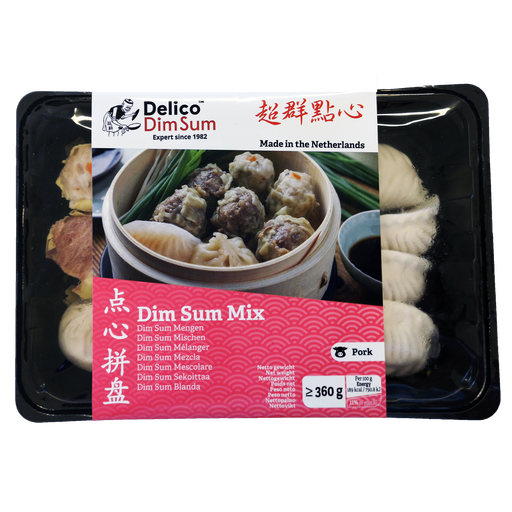
Why it suits this profile: Ideal for anyone wanting to create a varied dim sum experience at home with har gow, beef siu mai, pork siu mai and xiao long bao.
The product information specifies the varieties and meat or prawn content. The label also lists wheat, shellfish, sesame and soya as allergens.
Four varieties in one box; 360 grams in total; suitable for steaming straight from the freezer.
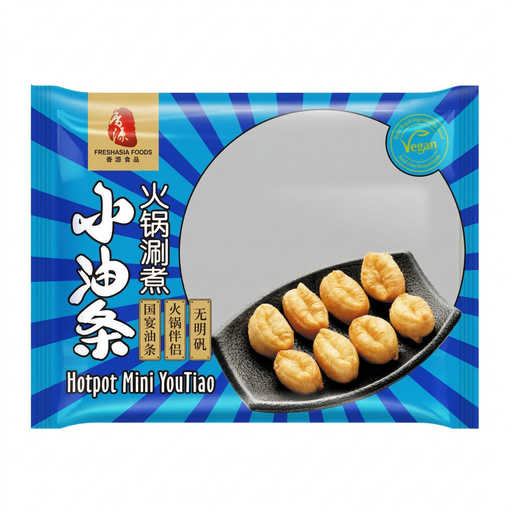
Why it suits this profile: Designed for hotpot lovers looking for an ingredient that quickly absorbs broth and can be added one bite at a time.
The preparation method is specific: do not thaw, but simmer in hot broth for 1 to 2 minutes. The product contains raw flour and must be heated thoroughly.
225 grams; mini size; wheat flour as the main ingredient; suitable for hotpot and soup.
We have compiled a complete, up-to-date list of products that fully meet these strict selection criteria and the applicable European safety regulations.
For a sweet dessert, consider mochi, egg yolk pastry or tang yuan rice balls. Bestore Baobao Mochi Pastry comes in four flavours and is supplied ready to eat. Check the listed ingredients, including milk, soya, wheat and sweeteners such as maltitol.
Chinatown Glutinous Rice Balls are another option. The peanut and sesame or coconut varieties are boiled in water. With the peanut variety, pay particular attention to the peanut allergen. For drinks and nibbles, ready-to-eat snacks such as Wei Long Spicy Stick, Chinese crackers or brown sugar pastry twists are more convenient. These products do not need to be steamed, but do check the salt, sugar and serving size.
Follow the temperature and cooking-time instructions on the packaging, and do not thaw the product unless this is recommended. Make sure the water is boiling before you start steaming. Leave enough space between the pieces so that the steam can circulate around them.
This varies by product. Store frozen products at -18 °C or below and follow the best-before date on the packaging. After thawing, products often must not be refrozen. Store dry snacks in a cool, dry place in a tightly sealed container. Once opened, their crisp texture may deteriorate more quickly.
Some are, but always check the ingredients. Freshasia glutinous rice siu mai contains rice, bamboo shoots, shiitake mushrooms and other vegetables, but also wheat and soya. Jin Mo Fang Vegetable Meat Rolls are made with soya protein, but may also contain wheat. A meat-free product is not automatically suitable for every allergy or dietary requirement.
