
Vandaag of morgen in huis

Kwaliteit gegarandeerd

Welkomstaanbiedingen ontgrendelen: GRATIS bezorging | Tot 80% korting | Gratis 30 dagen JoyPlus-proefperiode
Download de app
Chinese snacks come in far more varieties than just sweet biscuits. Think seasoned sunflower seeds, roasted melon seeds, dried fruit, salted pistachios and traditional Chinese sachima. This wide selection is appealing, but it also makes comparing products online more difficult. A packet may look large, while the contents consist mainly of sugar, salt or flavourings. Some flavours may also not suit the occasion when you want to snack.
This buying guide helps you compare Chinese snacks using clear, verifiable information: ingredients, allergens, weight, packaging and intended use.
Caramel, coconut, plum, crab roe and liquorice may sound self-explanatory, but the intensity varies from one recipe to another. That is why it is important to check the ingredients list. According to the product information, ChaCha Caramel-Flavored Sunflower Seeds consist of 90% sunflower seeds, supplemented with sugar, salt, brown sugar, sweeteners and flavourings. The coconut variety lists coconut powder, sugar and salt, among other ingredients.
A flavour name is therefore an indication, not a complete description of the recipe.
For home use or a snack box to share, 268, 408 or 620 grams can be convenient. For a student room, desk or bag, a 75 to 115-gram packet is often more practical. Also consider how long the product will keep after opening. Seeds lose their crunch more quickly when the packet is not resealed properly.
Traditional Chinese snacks may contain added sugar, salt, sweeteners, flavour enhancers or preservatives. This is not necessarily a problem, but it is information you should take into account when making your choice. If you have allergies, always check the complete packaging. Possible allergens in the range include peanuts, nuts, wheat, soya, egg, sesame, celery, shellfish and sulphites.
Check the ingredients and allergen information before focusing on the flavour or packaging. Chinese sachima products, such as the sesame variety from DAYU, list wheat, sesame and egg. The egg variety contains wheat and egg. If you want to avoid these ingredients, it is better to choose a product whose allergen information fits your diet.
The differences between dried mango products are also significant. Liu Liu Prune Nitta Dried Mango contains mango, sugar and an acidity regulator. J.ZAO Dried Mango also contains glucose syrup, malt syrup, glycerol and sulphites, among other ingredients. According to the product information, this variety contains at least 70% mango, and sulphites should be taken into account.
Choose according to the occasion:
Nutritional values per 100 grams can vary considerably. For seeds and nuts, for example, the product information shows figures ranging from approximately 545 to 655 kcal per 100 grams. So do not just look at the packet size; also consider the portion you actually intend to eat.
Individual inner packs are useful when several people are sharing a snack or when you want to spread the contents over several days. An opened packet should generally be sealed properly and stored in a cool, dry place away from direct sunlight. Always follow the storage advice on the packaging.
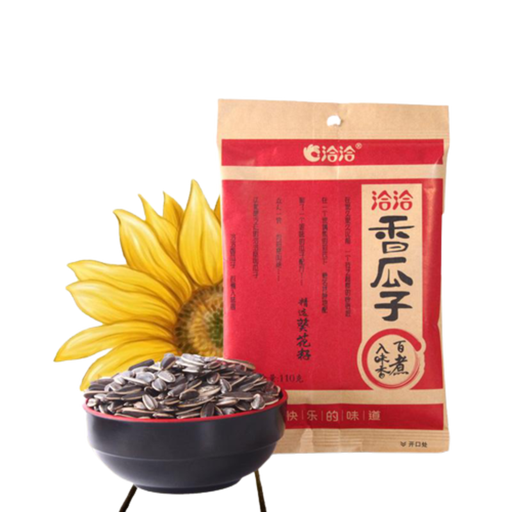
Why it suits this profile: The 115-gram size is a manageable option if you want to try Chinese snacks without immediately buying a large supply.
The product information states the net weight, ingredients and storage advice, so you can check the size and composition in advance.
115 grams; roasted sunflower seeds; savoury flavour; ready to eat.
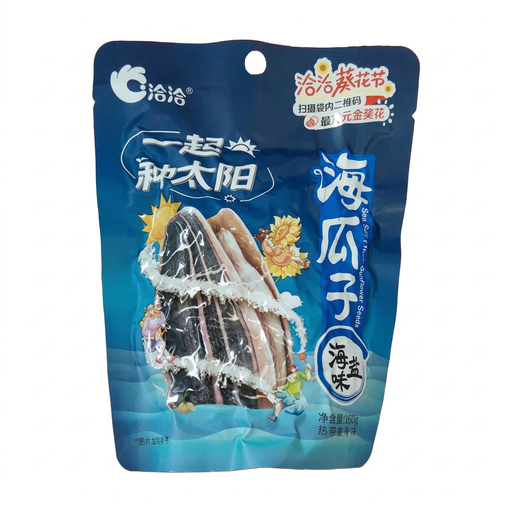
Why it suits this profile: The sea-salt flavour and spices such as liquorice and star anise create a distinctive profile for fans of authentic savoury snacks.
The description lists the spices and nutritional value per 100 grams. If you have an allergy, also check the warning about possible traces of peanuts, nuts, milk, egg, soya and wheat.
108 grams; sea salt and spices; nitrogen-packed packaging according to the product description; made in China.
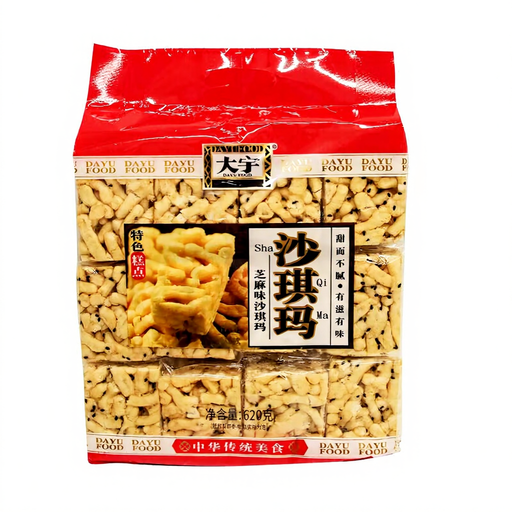
Why it suits this profile: The 620-gram bag is designed for sharing, whether with tea, in the office or at a family gathering.
The large size makes sense for sharing, but check the allergens beforehand: the sesame variety contains wheat, sesame and egg.
620 grams; sesame flavour; traditional sachima; ideal with tea and for sharing.
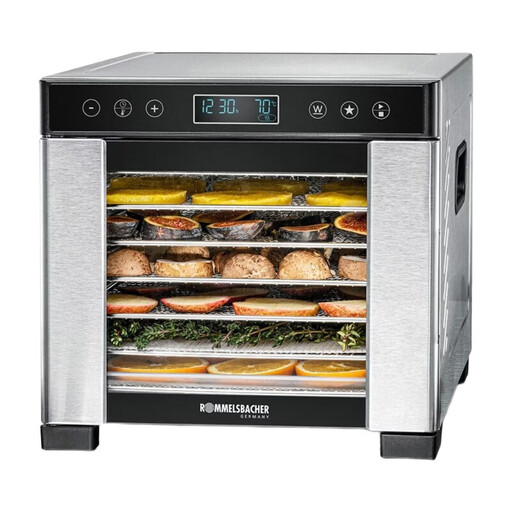
Why it suits this profile: This is not a ready-to-eat snack, but an option for anyone who regularly wants to dry fruit, herbs or other ingredients at home.
The temperature can be adjusted from 35°C to 75°C, and the timer runs for up to 99 hours. This allows you to tailor the settings to different ingredients instead of using one fixed drying mode.
7 drying racks; drying area of 0.5 m²; LCD display with touch-button controls; automatic switch-off.
We have put together a complete, up-to-date list of products that fully meet these strict selection criteria and the applicable European safety regulations.
Large packs such as DAYU Sachima weighing 620 grams, Dahaoda Original Flavor Sunflower Seeds weighing 268 grams and Dahaoda Five Spice Flavored Sunflower Seeds weighing 408 grams are practical for home, the office or a party table. For a varied snack box to share, you can combine different flavours: savoury seeds, sweet sachima and dried mango.
Store opened packets in a cool, dry place away from direct sunlight. Seal seeds properly to help retain their crunch. Dried mango can become softer if exposed to moisture. Always follow the specific instructions on the label and check the best-before date on the packaging.
That depends on the product. Sachima may contain wheat, sesame or egg. Salted pistachios contain pistachios, while the crab roe sunflower seeds contain crab, soya and wheat according to the product information. Always check the current ingredients and allergen information on the packaging before ordering or serving.
