
Vandaag of morgen in huis

Kwaliteit gegarandeerd

Welkomstaanbiedingen ontgrendelen: GRATIS bezorging | Tot 80% korting | Gratis 30 dagen JoyPlus-proefperiode
Download de app
If you are looking for Chinese snacks, you will find plenty of choice online: from Asian snacks with five-spice seasoning to spicy peanuts, sunflower seeds and plant-based snacks. The packaging often looks appealing, but it does not always tell you exactly what you are buying. So do not rely solely on flavour descriptions such as “authentic”, “premium” or “extra crunchy”. The ingredients list, allergen information and serving size provide a more reliable picture.
A 300 or 400 gram bag may seem ideal for a party or the office, but once opened, it will lose its crunch more quickly. Check whether the bag is resealable and how many people will be eating from it. Individual portions are often more convenient when you are out and about, while a large bag is better suited to sharing.
Spicy snacks may have a predominantly chilli flavour, but they can also create a tingling or numbing sensation due to Sichuan pepper. With konjac sweets or seasoned peanuts, the texture may also be more important than the heat. If you are looking for a mild savoury snack, choose plain roasted peanuts or lightly salted nuts instead.
Terms such as “plant-based”, “high-protein” or “natural” say little about the product as a whole. A snack can be plant-based and still contain a lot of salt, sugar or flavour enhancers. For example, the product label for Be&Cheery gluten snack states 20 grams of protein per 100 grams and 950 milligrams of sodium per 100 grams. These are verifiable figures, so use them for comparison rather than relying only on the front of the packaging.
When buying snacks from China, always check that the ingredients are clearly listed. Many products contain peanuts, nuts, soya, wheat or sesame. Seasoning mixes may also contain soya or wheat products, for example in soya sauce powder.
For people with an allergy, the allergen information is decisive. If you are unsure about a translation, unclear packaging or possible cross-contamination, it is better not to buy the product. A sachet containing a desiccant, as found in some nut mixes, is intended solely to absorb moisture and must not be eaten.
The nutrition table makes it easier to compare products. Pay particular attention to:
A 23-gram portion pack, such as ChaCha Daily Nuts, helps you measure out the amount in advance. A 408-gram bag of sunflower seeds, on the other hand, is mainly suitable for sharing at home.
For snacks on the go, small bags or individually wrapped portions are practical. For drinks and nibbles, roasted peanuts, pistachios and mixed nuts are easier to serve in a bowl. After opening, check the storage instructions: many products need to be kept dry and out of direct sunlight, and should ideally be sealed properly.
Pay attention to the texture too. Gluten and konjac products tend to be chewy and elastic, while roasted seeds and nuts are crunchy. This difference has a major impact on whether a product matches your expectations.

Why it suits this profile: This snack has a short ingredients list consisting of 100% peanuts and is unsalted. It is therefore a simple introduction to roasted peanuts without a complex seasoning mix.
The ingredients are straightforward, and the 210-gram pack is smaller than many sharing bags. You are therefore not automatically paying for a large quantity of seasoning or coating.
100% peanuts, unsalted and 26 grams of protein per 100 grams according to the product information.
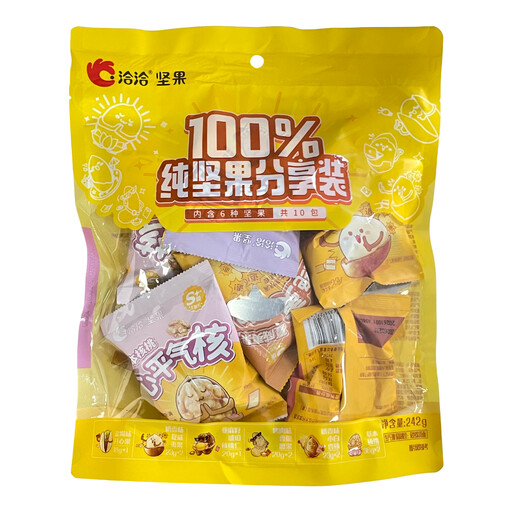
Why it suits this profile: The mix contains several types of nuts and seeds, including cashews, macadamias, pistachios and walnuts. Individual packs make it suitable for enjoying at home, in the office or on the go.
The individual portions prevent the whole bag from being opened repeatedly. Do check the full allergen list, though: the product contains various nuts, wheat, sesame and milk.
242 grams in total, five individual portions and several flavours in one mixed nut pack.
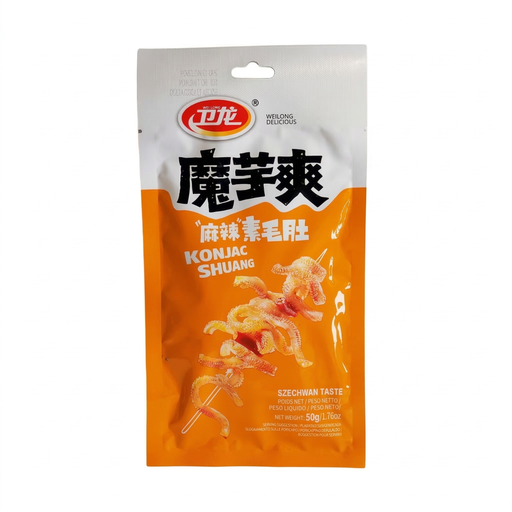
Why it suits this profile: This small pack is designed for lovers of a distinctive Sichuan-style flavour with chilli and Sichuan pepper. Its chewy texture is distinctly different from nuts and crisps.
The 50-gram pack reduces the risk of buying a large bag of a texture you have not tried before. The product information lists soya and wheat as allergens.
Compact pack for taking with you, plant-based composition according to the product label and 84 kcal per 100 grams.
We have put together a complete, up-to-date list of products that fully meet these strict selection criteria and the applicable European safety regulations.
No. The range extends from unsalted roasted peanuts and classic sunflower seeds to spicy snacks with chilli. Check the flavour description and ingredients. As well as heat, Sichuan pepper can create a tingling sensation.
Store dry snacks at room temperature in a cool, dry place away from sunlight. Seal the packaging properly to keep moisture out. Always follow the label; some products state that they should be eaten soon after opening or stored in the fridge.
For sharing, larger bags of sunflower seeds, mixed nuts, roasted peanuts or mixed nuts are practical. If you want to offer different flavours, combine a mild nut snack with a spicy option. When serving from a shared bowl, take extra care with allergens and keep unopened packs separate.
