
Vandaag of morgen in huis

Kwaliteit gegarandeerd

Welkomstaanbiedingen ontgrendelen: GRATIS bezorging | Tot 80% korting | Gratis 30 dagen JoyPlus-proefperiode
Download de app
Buying Chinese snacks may seem simple, but the range varies considerably. Are you looking for soft dried mango, sweet-and-sour plum snacks, crunchy red dates, mochi or savoury treats? If so, flavour, packaging and storage are just as important as the product photo.
Marketing copy can also create a misleading impression. Packaging featuring words such as “traditional”, “natural” or “premium” does not automatically tell you how much fruit a product contains, which sweeteners have been used or how large a portion actually is. As a Joybuy Product Recommendation Officer, I therefore focus mainly on verifiable information on the label.
A 500-gram tub may seem appealing for a family or party, but dried fruit and preserved plums can absorb moisture once opened. So check the storage instructions and consider how much you will realistically use within a short period. Individually wrapped portions are often more practical for work, school or when you are out and about.
Some plum snacks use sweeteners instead of sugar. This may suit a particular preference, but read the ingredients list carefully. Also check the salt content. Jiajianzheng Prune 120G, for example, lists 5 grams of salt per 100 grams and contains aspartame, saccharin and steviol glycosides. The label also states that it contains a source of phenylalanine.
Not all Chinese sweets and Asian snacks are ready to eat. Mochi, glutinous rice balls and some traditional Chinese snacks need to be stored in the fridge or freezer. A frozen product should not be kept in a cupboard for an extended period. Before buying, check that you have enough space at -18 °C and whether the product needs to be cooked first.
Start by checking the ingredients list and allergen information. Common points to look out for in Chinese snacks include:
A brand may describe a product as authentic or traditional, but the ingredients list remains the practical way to check. Take extra care with children’s snacks when the label contains a warning about colourings or sweeteners.
For dried fruit, the fruit percentage says a lot about the composition. According to the product specification, MUSHAN BASE Dried Mango 50g contains at least 79.5% mango. Per 100 grams, the product lists 343 kcal, 36.3 grams of sugars and 0.4 grams of salt. It also contains sulphites, which are listed in the allergen information.
Do not compare the sugar figure alone. Plum snacks can have a relatively high salt content, while with fruit jelly, the total amount of carbohydrates and sweeteners is particularly relevant. Use nutritional values as a comparison point, not as a health claim.
For personal use, bags of 35 to 120 grams are easy to portion. A larger pack is more suitable for sharing, giving as a gift or regular use. Pay attention to the difference between ready-to-eat products and those that need to be prepared first.
The 200-gram China Town glutinous rice balls, for example, are frozen and uncooked. They need to be boiled in water until they float, then cooked for another one to two minutes. The black sesame variety contains sesame; the coconut flavour lists wheat as an allergen.
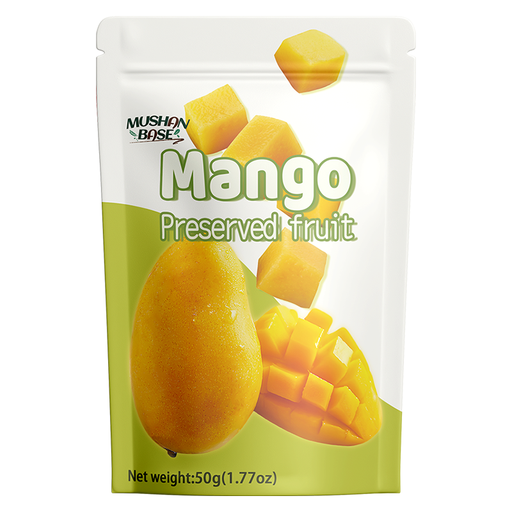
Why it suits this profile: A small pack is easy to manage when you are trying dried fruit for the first time or looking for a portion to take with you.
The fruit content and portion size are clearly stated. However, check the sulphite information before buying.
50 grams, ready to eat, with at least 79.5% mango and individually wrapped portions according to the product specification.

Why it suits this profile: Ideal for anyone who wants to use red dates as a snack as well as in tea, soup or baking.
The packaging states that it contains 100% red dates and that they are pitted. This makes the intended use clearer than with an unspecified fruit mix.
500 grams, pitted, ready to eat and suitable for cooking, baking and tea according to the specification.
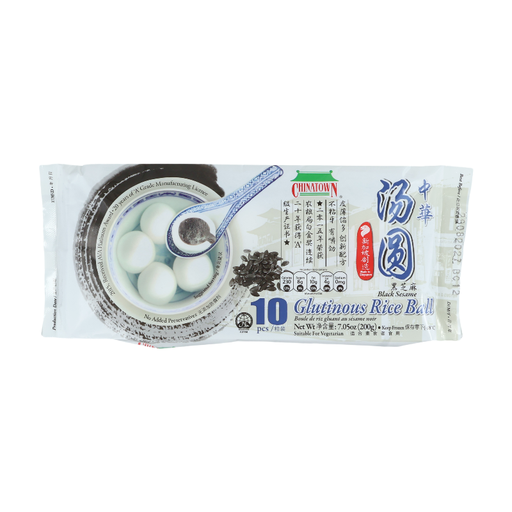
Why it suits this profile: A practical choice for fans of warm desserts, festive occasions and glutinous rice balls with clear preparation instructions.
The product information clearly states that this is a frozen, uncooked product. You therefore know that it needs to be cooked.
200 grams, black sesame filling, a soft glutinous rice coating and preparation instructions provided on the packaging.
We have put together a complete, up-to-date list of products that fully meet these strict selection criteria and the applicable European safety regulations.
If you enjoy sweet and savoury snacks, you can further divide the range by flavour and texture:
Dried mango, red dates, preserved plums, hawthorn sweets and many types of fruit jelly are generally ready to eat when this is stated on the packaging. Frozen glutinous rice balls and some mochi products have specific instructions. Always check the directions for use.
Store ambient snacks in a cool, dry place away from direct sunlight. Seal opened bags securely to help prevent moisture and loss of quality. Frozen products should be stored at -18 °C or below and, according to the product information, must not be refrozen once thawed.
Choose packaging that suits the occasion. A box of mochi with four individual portions is suitable for sharing, while a large tub of plums is practical for a group. Also check the allergens, best-before date, storage temperature and whether the recipient prefers sweet, sour, salty or savoury flavours.
