
Vandaag of morgen in huis

Kwaliteit gegarandeerd

Welkomstaanbiedingen ontgrendelen: GRATIS bezorging | Tot 80% korting | Gratis 30 dagen JoyPlus-proefperiode
Download de app
If you’re looking to buy Chinese snacks and seasonings online, you’ll quickly come across a wide range of spicy snacks, Sichuan side dishes, sauces and sweeteners. However, the packaging can sometimes promise more than you actually need for everyday use. So don’t just rely on an appealing product photo or words like “authentic” – instead, pay close attention to ingredients, portion size, allergens and usage instructions.
This buying guide will help you choose between Chinese snacks, pickled vegetables, seaweed strips, fermented tofu, Chinese soy sauce, chilli sauce and sweeteners.
Many products contain a sweetener such as sucralose (E955), yet they aren’t completely free of carbohydrates or other sugars. For example, DongGu Fresh soy sauce contains 8.5 grams of sugar per 100 ml according to the product information, in addition to sucralose. Always check the full ingredients list and nutritional information table.
Products containing xylitol often carry a warning that excessive consumption may have a laxative effect. That’s useful information for households looking for a sugar substitute.
A description like spicy Chinese snacks or Sichuan flavour gives you a general idea, but not always a clear picture of the intensity. Look at ingredients such as chilli, Sichuan pepper, bean paste, garlic and oil. A chilli sauce with bean paste can be savoury and thick, while pickled vegetables tend to taste sour, salty and crunchy.
A 1.8 or 1.9 litre bottle of soy sauce is practical for a large household, but less suitable if you rarely cook Chinese food. After opening, refrigeration may be recommended. Small individual portions, such as seaweed strips or zhacai, are easier to store and take with you, but can work out more expensive per 100 grams.
Under EU regulations, major allergens must be clearly listed in the ingredients information. Chinese seasonings commonly contain soya, wheat, gluten, sesame, mustard, sulphites and peanuts.
Examples from this range:
If you have allergies, always check the packaging again. Product information and composition can change.
For a snack with drinks, small, ready-to-eat packs are handy. The Weijute seaweed strips, for example, come as 63 grams x 5, while Wei Long Qinzui Shao consists of 26 individually wrapped portions with a total weight of 260 grams.
For everyday cooking, larger packs are more appealing:
As well as the total price, look at the price per 100 grams or 100 ml. That way you can compare small and large packs more fairly.
Many ready-to-eat Chinese snacks can be eaten straight away, but need to be sealed or refrigerated after opening. For several pickled vegetables and seaweed products, refrigeration after opening is recommended. Store soy sauce and fermented products according to the label; for some products, a cool, dry place is fine before opening.
Also check the best-before information on the packaging. If the packaging is damaged, it’s best not to use the product.
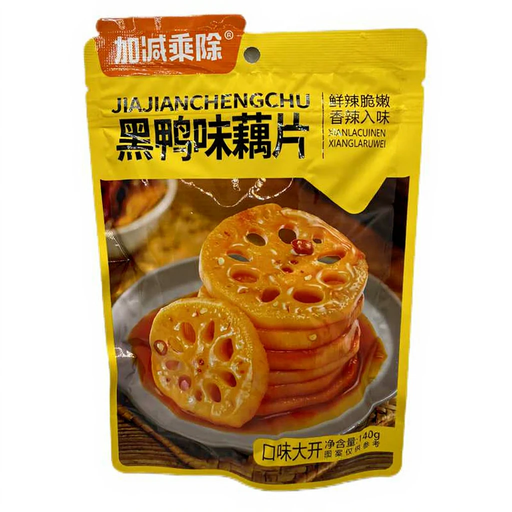
Why this fits the profile: A 140-gram bag is a manageable size if you’re trying Chinese snacks for the first time. According to the product description, the lotus root is ready to eat as a snack, starter or side dish.
The product information clearly states 140 grams, 88 kcal per 100 grams and sulphites as an allergen. This means you can assess the portion and ingredients in advance.
Ready to eat; a combination of crunchy lotus root with a savoury, spicy and slightly sweet flavour profile.
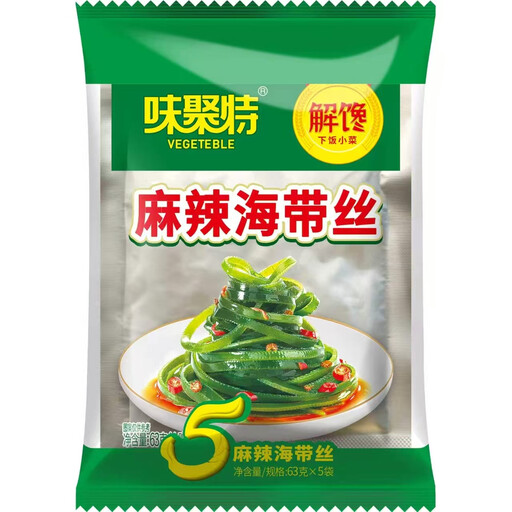
Why this fits the profile: If you’re specifically after Sichuan snacks with a tingling, spicy character, you get five separate portions with kelp as the main ingredient.
The packaging states 82% kelp, a total weight of 315 grams and the sweetener E955 used. So you know exactly what the product is based on.
Five portions; ready to eat; suitable with rice, noodles and steamed bread.
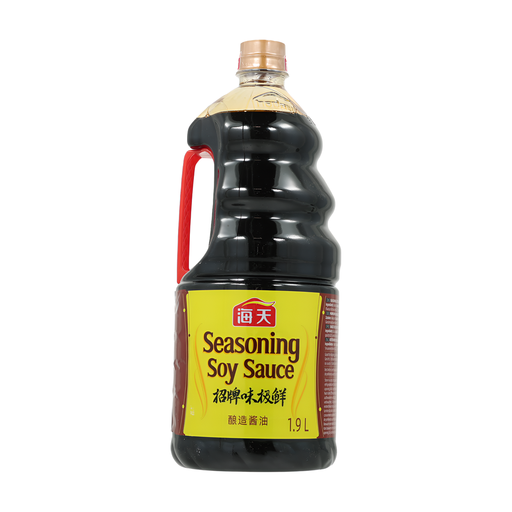
Why this fits the profile: The large bottle suits households that often stir-fry, marinate, braise or make dipping sauces.
The product page lists the volume of 1.9 litres, the preparation method and a salt content of 7.43 grams per 100 ml. That helps with a realistic comparison.
Large volume; suitable for dipping, cold dishes, braising and stir-frying; soya and wheat are clearly stated.
If you’re looking for a sweetener alongside Chinese snacks, you can compare different types:
Use the recommended amount on the packaging and compare sweeteners on composition, application and portion size.
We’ve put together a full, up-to-date list of products that fully meet these strict selection criteria and comply with current European safety regulations.
You can buy Chinese snacks and seasonings online from web shops that provide product information, allergens and nutritional values. Always check the contents, origin, best-before date and storage instructions before ordering.
Many pickled vegetables, lotus root, seaweed strips, fermented tofu and wheat gluten snacks are described as ready to eat. Some soy sauces and bean pastes are intended as cooking ingredients. Always follow the usage instructions on the label.
This varies by product. Store opened pickled vegetables, seaweed and some sauces in the fridge, sealed. Check the packaging for precise storage instructions and consume the product in good time after opening.
