
Vandaag of morgen in huis

Kwaliteit gegarandeerd

Welkomstaanbiedingen ontgrendelen: GRATIS bezorging | Tot 80% korting | Gratis 30 dagen JoyPlus-proefperiode
Download de app
When you buy Chinese snacks and seasonings online, you’ll often see tempting terms such as “traditional”, “reduced salt” or “authentic flavour”. But a product name doesn’t tell you everything. The packaging, ingredients list, allergen information, storage instructions and portion size all help you decide whether a product really suits your needs.
This guide will help you compare Chinese snacks, herbs, spices and sauces more carefully. That way, you can avoid buying a large pack you won’t use in time, storing a frozen product incorrectly or choosing a seasoning that’s much saltier than you expected.
A product with 30%, 35% or 42% less salt may still contain a substantial amount. So always check the nutritional information per 100 grams or 100 millilitres. For soy sauce, the amount per 100 ml is particularly relevant, as you’ll usually only use a small quantity.
Some traditional Chinese treats are chilled or frozen and need heating before you eat them. Bai ji mo buns and sesame balls are examples. Check whether the packaging says the product is ready to eat or needs cooking, baking or steaming.
Bulk packs, such as 400 grams of salt and pepper seasoning or 6 x 1 litre of soy sauce, are handy for catering professionals, large families and keen home cooks. For occasional use, however, a smaller pack may be more practical. Aromatic seasonings can also lose their fragrance more quickly if the pack is opened often or not sealed properly.
When buying Chinese snacks and seasonings, look out for allergens such as soya, wheat, gluten, sesame and sulphites. Light soy sauce often contains both soya and wheat. Depending on the seasoning, konjac snacks may also contain soya, sesame, wheat and sulphites.
Check whether a product contains sugar, flavour enhancers, preservatives or sweeteners, too. This doesn’t automatically make it unsuitable, but it can help you choose something that fits your diet.
Salt and pepper seasoning is concentrated and is usually sprinkled in small amounts over fried dishes, meat, fish or tofu. So a product with a high salt content per 100 grams may still be suitable if you use only a little. Consider what you want it for: adding a bold seasoning, marinating, dipping or everyday cooking?
If you’re considering reduced-sodium soy sauce, don’t treat the brand’s claim as a health fact. Compare the stated salt content with other varieties, and follow the preparation and storage advice on the label.
Before placing your order, check:
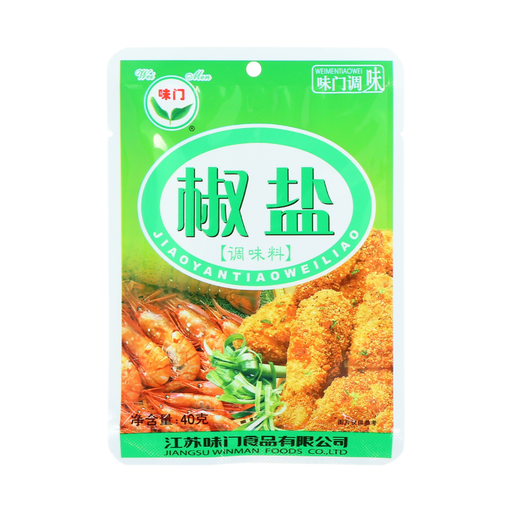
Why it suits this profile: The 40-gram pack is a manageable size if you’re trying Chinese seasoning or a salt and pepper mix for the first time. You can sprinkle it straight over fried snacks, meat, fish or seafood.
The small pack helps reduce waste and makes it easier to account for the stated salt content of 40 grams per 100 grams when portioning.
Contains salt and Sichuan pepper; ready to use for sprinkling, adding to batter or making a dry marinade.
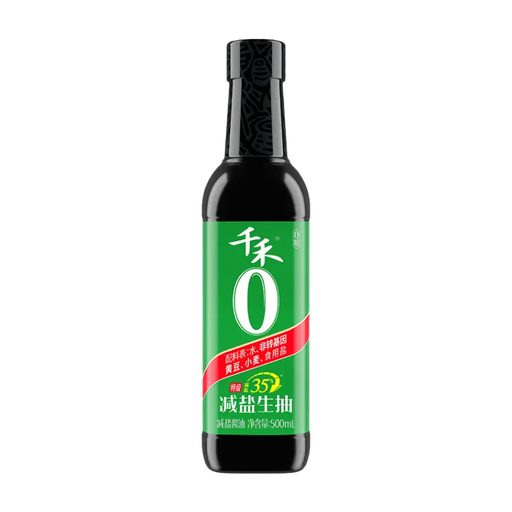
Why it suits this profile: This light soy sauce is designed for stir-fries, marinades, cold dishes and dips. According to the product description, this variety contains 35% less salt than a regular version.
The packaging states the salt content per 100 ml: 11.5 grams. This means you can check the salt-reduction claim rather than relying on the front of the bottle alone.
500 ml; contains soya and wheat; according to the product information, refrigerate after opening.
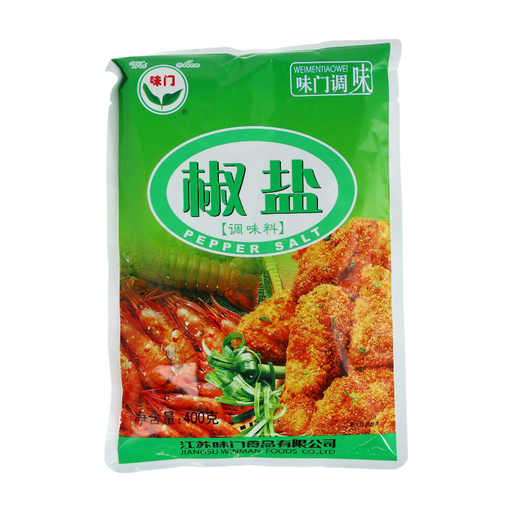
Why it suits this profile: The bulk pack is practical for restaurants, caterers, large households and home cooks who regularly use Chinese spices.
The ingredients are clearly listed: Sichuan pepper, salt, fennel, sugar and orange peel. Store the mix in an airtight container to help preserve its aroma and texture.
400 grams; suitable as a table seasoning, dry rub or addition to noodles and fried dishes.
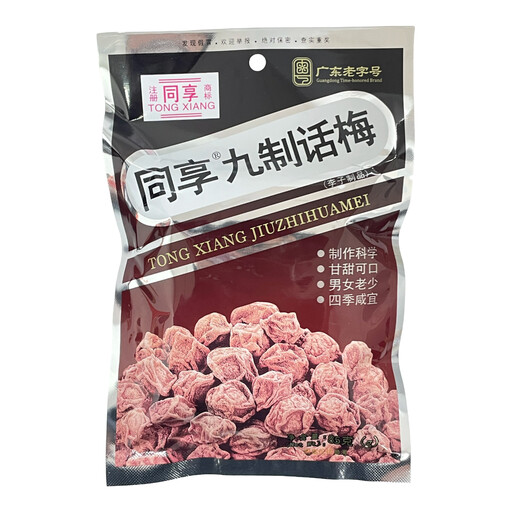
Why it suits this profile: This Chinese plum snack comes in individually wrapped pieces, making it easy to take with you or share.
The ingredients and nutritional information are specified. Pay particular attention to the stated salt content of 12.2 grams per 100 grams and the presence of sweeteners and preservatives.
85 grams, ready to eat, with a sweet, sour and salty flavour and a gently spiced profile.
We’ve put together a complete, up-to-date list of products that meet these strict selection criteria and the applicable European safety regulations.
Chinese snacks include dried plums, konjac snacks, taro crisps, crunchy rice snacks, savoury biscuits and sesame balls. Check each product to see whether it’s ready to eat or needs heating first.
Store unopened products as directed on the label, usually in a cool, dry place away from direct sunlight. Keep seasonings in airtight containers. Refrigerate opened soy sauce if the product information says to.
That depends on how much you use. A 400-gram pack of Chinese spices or a box containing several bottles of soy sauce is suitable for frequent use, catering or a large household. For occasional snacking, smaller packs are usually easier to store and finish in time.
