
Vandaag of morgen in huis

Kwaliteit gegarandeerd

Welkomstaanbiedingen ontgrendelen: GRATIS bezorging | Tot 80% korting | Gratis 30 dagen JoyPlus-proefperiode
Download de app
By Joybuy Product Recommendation Officer, July 28, 2026
The online selection of Chinese snacks can be overwhelming. The packaging often looks colourful and enticing, but the contents are not always what you expect. Many people searching for authentic flavours end up with a disappointing product. This is often due to a few common pitfalls.
A well-known problem is the flavour not matching expectations. A snack that looks savoury might be surprisingly sweet, or a promising cookie might taste mainly of sugar without any deeper aromas. Another pitfall is authenticity. Many snacks marketed as "Asian" are adapted to a Western palate, causing the unique, layered flavours of traditional recipes to be lost. Let's explore how you can navigate these issues and make choices you won't regret.
Before you fill your digital shopping cart, there are a few key points that can mean the difference between a great find and a disappointment. By paying attention to these, you can easily filter the selection and find the snacks that are truly right for you.
Unlike many Western snacks that are distinctly either sweet or salty, authentic savoury Chinese snacks and Chinese sweets play with a more complex palate. A snack can be sweet, salty, and umami all at once. Look for ingredients like salted duck egg yolk, fermented bean paste, or specific spice blends. These often indicate a more layered and traditional taste experience. If you're specifically looking for Chinese cookies, check if they contain ingredients like nuts, seeds, or even tea in addition to sugar for a deeper aroma.
In Chinese snack culture, texture is just as important as flavour. Terms like q chewy (a springy, bouncy chewiness), sū (crumbly and flaky), or cuì (crispy) are essential. A product like Sachima should be soft and sticky, whereas when you buy Mahua, you should expect a firm, layered, and crunchy texture. Product descriptions that clearly specify the texture provide a much more reliable impression of the experience than a beautiful photo alone.
The quickest way to check for authenticity is to scan the ingredient list. Look for traditional components instead of vague "flavourings." When you want to order Chinese snacks online, a good online Asian supermarket will provide detailed product information, including the full list of ingredients and allergens. This not only helps in finding authentic flavours but also in avoiding unwanted additives or allergens.
To help you get started, we've matched some popular choices with different preferences.
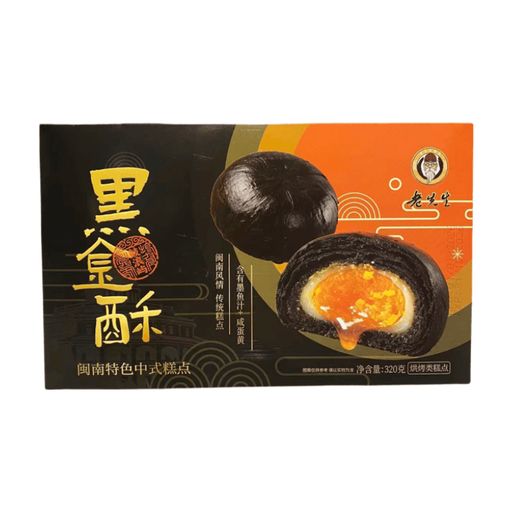
Why This Fits Their Persona: Ideal for those seeking a unique flavour experience that goes far beyond the beaten path. The combination of sweet pineapple jam, a soft mochi layer, and the savoury, rich core of salted duck egg yolk is a perfect example of the complex sweet-salty balance in Chinese patisserie.
This is not a Westernised snack. The ingredient list with salted duck egg yolk (≥8%) and cuttlefish ink powder (0.1%) confirms its authentic and bold profile, helping you avoid the pitfall of a flat, predictable flavour.
Unique sweet-salty flavour combination; striking black appearance with a surprising filling.
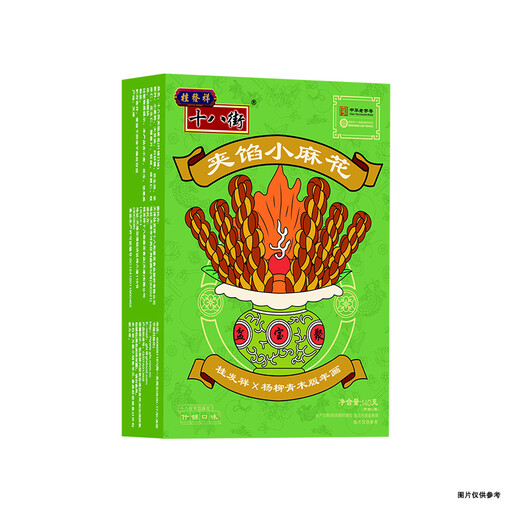
Why This Fits Their Persona: For those seeking a familiar, traditional flavour or an authentic cultural experience. Mahua is an iconic snack from Tianjin, and the Guifaxiang brand is known as the originator of this specialty. A true classic to enjoy with tea.
This product bypasses the pitfall of 'pseudo-authenticity.' It comes from a reputable, traditional brand. The description "Traditional Beijing-style pastry" and the filling with peanuts, walnuts, and sesame guarantee an authentic experience.
Crunchy, layered texture; rich nutty flavour; from a well-known, traditional brand.
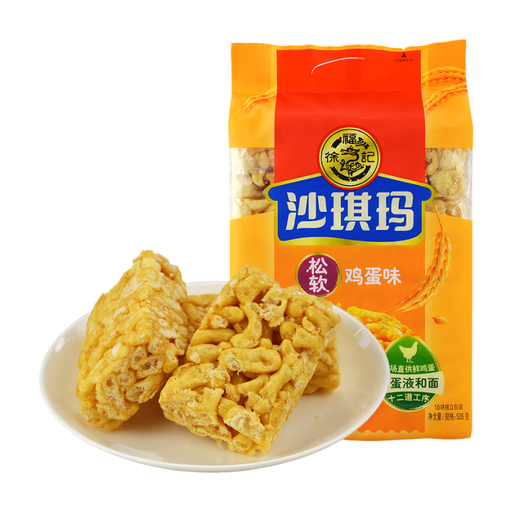
Why This Fits Their Persona: Perfect for those who love soft, airy, and lightly sweetened treats. Sachima is a puffed wheat cake that isn't crunchy, but rather soft and chewy. Its mild egg flavour makes it an approachable and comforting snack for tea time or breakfast.
The description "Classic soft sachima" and "airy, melt-in-your-mouth texture" sets the right expectation. This prevents the disappointment of an unexpected texture, a common problem when buying unfamiliar snacks online.
Soft and airy texture; mild, classic egg flavour; individually wrapped for convenience.
We have compiled a complete, up-to-date list of products that fully meet these selection criteria and comply with current regulations.
Although both are traditional Chinese delicacies, they differ greatly in texture and flavour. Mahua are twisted, deep-fried dough sticks that are hard and crunchy, often filled with nuts and seeds for a rich, layered taste. Sachima, on the other hand, is a soft, chewy cake made from puffed wheat strands bound together with syrup. It is light, airy, and melts in your mouth.
Most dry snacks, such as Chinese cookies, Chinese nuts, and Mahua, are best stored in a cool, dry place in an airtight container to maintain their crispness. Soft pastries like Sachima or filled cakes should also be sealed tightly after opening and consumed quickly to prevent them from drying out. Always check the storage instructions on the packaging.
Not necessarily. "Savoury" in the context of Chinese snacks refers to a wide range of flavours that are not primarily sweet. This can be salty, umami, spiced, or a combination thereof. There are many savoury Chinese snacks with mild flavours, such as those with seaweed, sesame, or soy sauce. Spicy varieties, often featuring Sichuan pepper or chilli, are usually clearly labelled as such.
