
Vandaag of morgen in huis

Kwaliteit gegarandeerd

Welkomstaanbiedingen ontgrendelen: GRATIS bezorging | Tot 80% korting | Gratis 30 dagen JoyPlus-proefperiode
Download de app
Are you looking for authentic Chinese snacks but don't know where to start? The online selection is vast, and the packaging is often unclear. You're not alone. Many people buy something that looks great in the photo, only to be disappointed by the taste or texture.
As a Joybuy Product Recommendation Officer, I'm here to help you cut through the marketing jargon. In this guide, we'll discuss the most common pitfalls and give you practical tips to make the right choice, so you can confidently buy Asian snacks that truly suit your taste.
Before you fill your shopping cart, it's wise to be aware of a few common misconceptions. This will help you avoid disappointment and save money.
You don't need to be an expert to choose the right Chinese snacks. Pay attention to the following three points in the product description, and you'll know exactly what you're getting.
Look beyond the snack's name. Good product descriptions specify the flavor profile.
The texture defines a large part of the experience. Look for descriptive terms:
A reliable online Chinese supermarket always lists a clear ingredient list and allergen information, in accordance with EU guidelines. Always check these, especially if you have allergies. Look out for common allergens like soy, wheat (gluten), eggs, milk, and peanuts.
To get you started, we've highlighted a few popular choices that cater to different tastes and preferences.
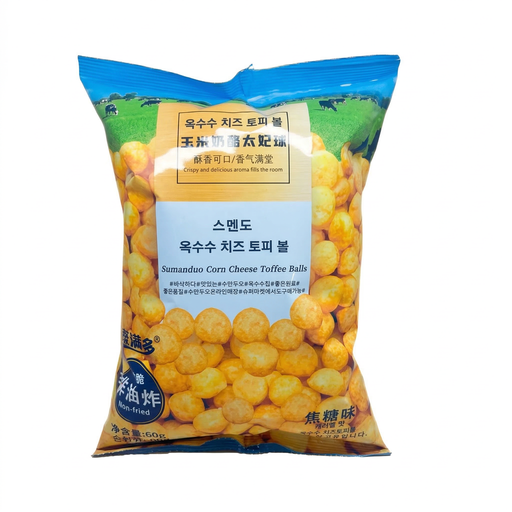
Why This Fits Their Persona: Perfect for those who love a surprising flavor combination. This snack combines the savory taste of cheese with the sweetness of caramel, a profile you won't easily find in local snacks. Ideal for drinks or when you want to try something different.
The product name and description immediately clarify that this is a sweet and salty snack, helping you avoid the "sweet only" pitfall. The texture is light and crispy, just as you'd expect from corn balls.
Unique sweet and savory flavor combination. Light, crispy texture that melts in your mouth.
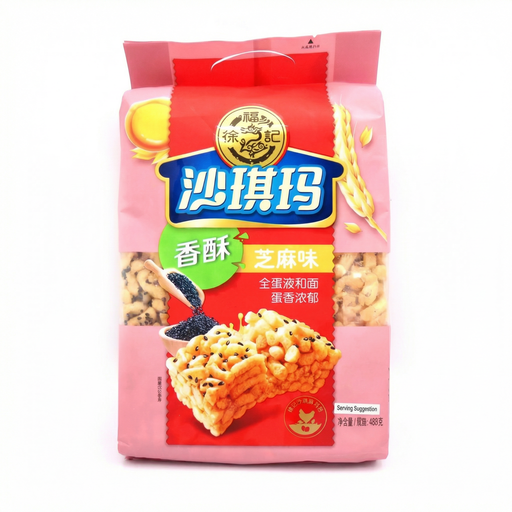
Why This Fits Their Persona: For those seeking an authentic, nostalgic flavor. Sachima is a classic Chinese treat, similar to a soft, airy version of a rice crispy bar. Ideal with tea or if you're nostalgic for the flavors of home.
This product bypasses the texture surprise. The description "soft and crispy" clearly indicates it's not a hard bar. The individual packaging preserves freshness and makes the contents clear.
Authentic, traditional flavor. Soft, non-sticky texture. Individually wrapped, convenient for sharing.
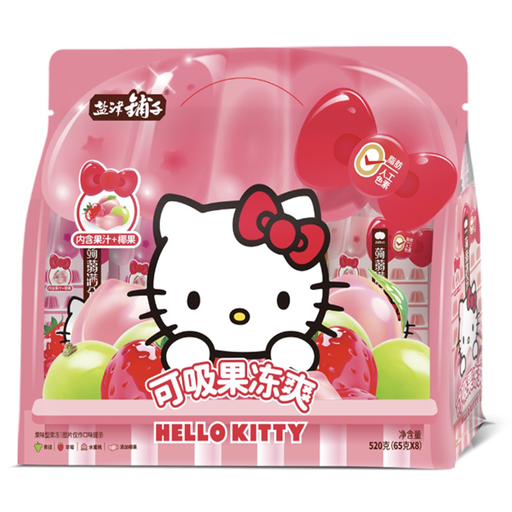
Why This Fits Their Persona: A fun and accessible introduction to Asian sweets. This sippable jelly is popular on social media and combines a sweet fruit flavor with a fun, chewy texture from nata de coco. The Hello Kitty packaging adds to its appeal.
The term "sippable jelly" and the mention of "nata de coco" manage texture expectations. You know you're getting a drink with chewy bits, not a smooth pudding.
Easy to consume (squeeze pouch). A mix of three popular fruit flavors. Contains real pieces of nata de coco for a fun texture.
We have compiled a complete, up-to-date list of products that fully meet these strict selection criteria and local regulations.
While there is overlap, there are general differences. Japanese candy (dagashi) often focuses on subtle flavors, unique packaging, and textures like mochi. Chinese candy and snacks often have a broader flavor palette, with more emphasis on sweet-sour (hawthorn), sweet-salty (plum candy), and spicy combinations.
Just like with Western snacks, this varies greatly. There are sugary lollipops and fried goods, but also many options based on fruit (like dried hawthorn), nuts, or beans. Many traditional snacks are meant as a small treat with tea, not to be eaten in large quantities. Read the nutritional information on the product page to make an informed choice.
Hawthorn is a small, tart berry widely used in Chinese candy. It is processed into flat discs (haw flakes), rolls, or soft candies. The flavor is distinctively sweet and sour and is often eaten in traditional Chinese culture to aid digestion or stimulate the appetite. It's a classic flavor that reminds many Chinese people of their childhood.
