
Vandaag of morgen in huis

Kwaliteit gegarandeerd

Welkomstaanbiedingen ontgrendelen: GRATIS bezorging | Tot 80% korting | Gratis 30 dagen JoyPlus-proefperiode
Download de app
The online selection of Chinese snacks can be overwhelming. The packaging looks colourful and enticing, but the flavours and textures are often completely different from what Western palates are used to. This can lead to disappointment: a snack that looks like a crispy cookie might turn out to be chewy, or a savoury cracker could have an unexpectedly sweet aftertaste.
As a Joybuy Product Recommendation Officer, I'm here to help you cut through the marketing jargon. We'll look at what really matters, so you can confidently choose authentic Asian snacks that suit your taste. Let's avoid the most common pitfalls.
Before you fill your digital shopping cart, it's wise to consider a few common missteps. These often cause an adventurous purchase to end in disappointment.
To avoid a bad purchase, it's smart to focus on two specific things. These will help you get a clearer picture of what to expect.
Chinese cuisine boasts enormous variety. Look beyond simple terms like ‘sweet’ or ‘salty’. Pay attention to descriptions that specify the texture and the exact flavour profile.
A glance at the ingredients list is always a good idea, especially when doing your Chinese grocery shopping online. A good online Asian market or webshop will provide a clear and complete list.
To get you started, we've highlighted a few popular choices and matched them to different preferences.
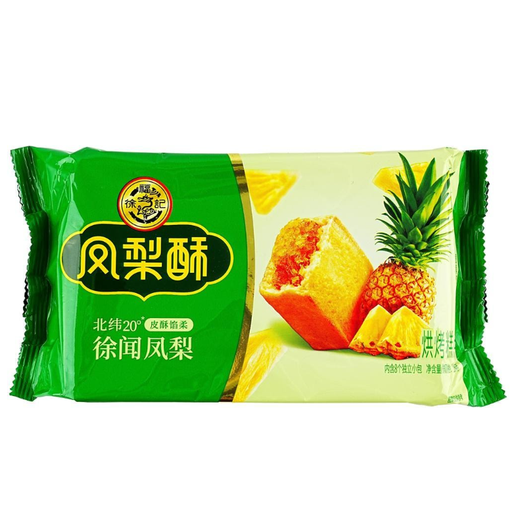
Why This Fits Their Persona: Ideal for those new to the world of Asian snacks. The combination of a buttery, crumbly pastry with a sweet pineapple filling is approachable yet authentic. It's a safe but flavorful first step.
The pineapple flavor is familiar, and the pastry's texture is similar to Western shortbread. No unexpected textures or flavors here.
Made with real pineapple pulp (≥13%) for an authentic fruit flavor. The individual packaging makes it an easy treat to enjoy with tea.
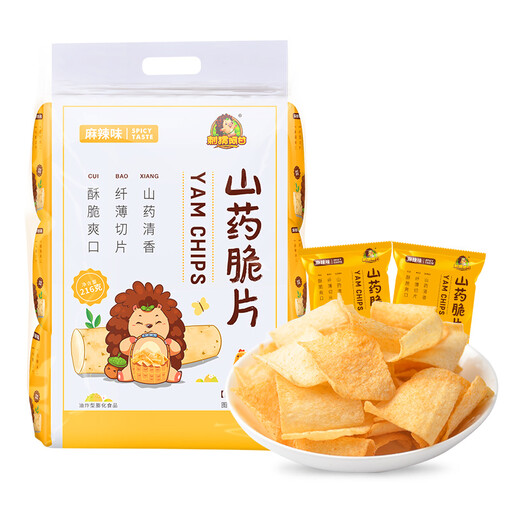
Why This Fits Their Persona: For those who love a salty, spicy snack and aren't afraid of a little heat. These crisps offer the unique 'mala' experience: spicy and slightly numbing, perfect for pairing with a drink.
The product name and description are clear about the 'mala spicy flavor'. You know to expect a spicy and tingling taste. The texture is a predictable, satisfyingly crunchy crisp.
Made with 5% yam and prepared using a puffing process, making the snack light and non-greasy. The large 216g bag is ideal for sharing.

Why This Fits Their Persona: Perfect for those seeking an authentic, nostalgic flavor. Mahua is an iconic snack from Tianjin. This is not an imitation but a product from the original Guifaxiang brand, with a history spanning over a hundred years.
This is a traditional product where the texture (crispy and layered) and flavor (complex and nutty) are exactly what a connoisseur would expect. The clear ingredients list confirms its authentic composition.
A complex flavor from a filling of peanuts, walnuts, black sesame, and osmanthus. The snack is crispy and perfectly balanced in sweetness.
We have compiled a complete, up-to-date list of products that meet these selection criteria. Discover more flavors that match your preferences.
The biggest difference lies in the flavour profiles and textures. Chinese snacks often use unique ingredients like red bean paste, lotus seed paste, salted egg yolk, and spices like Sichuan pepper for a ‘mala’ effect. Textures range from extremely crispy to soft and chewy (like mochi) or jelly-like (like konjac), which provides a different eating experience than most Western snacks.
Pay attention to the product description. Terms like 'mala' (麻辣), 'spicy', or 'hot' indicate heat. The 'mala' variety is specific to Sichuan cuisine and combines hot chili peppers with Sichuan peppercorns, which create a unique tingling and numbing sensation. Often, an image of a chili pepper will also be on the packaging.
The level of sweetness varies greatly. Some traditional pastries, like mooncakes, can be quite sweet and filling. Other snacks, such as candies made with hawthorn or ginger, have a more balanced, sometimes even slightly tart or spicy flavour. Unlike many Western sweets, the sweetness in Chinese candy and cookies is often combined with other flavours, such as the nutty taste of black sesame.
