
Vandaag of morgen in huis

Kwaliteit gegarandeerd

Welkomstaanbiedingen ontgrendelen: GRATIS bezorging | Tot 80% korting | Gratis 30 dagen JoyPlus-proefperiode
Download de app
A bottle of soy sauce, chilli sauce or Chinese cooking oil may seem like an easy choice. But products can vary considerably in flavour, ingredients, size and use. If you choose based only on attractive packaging or the word “premium”, you could end up with a sauce that’s too salty for everyday use, an oil that doesn’t suit your cooking method or a large bottle that slowly loses its aroma.
This guide helps home cooks, Asian households and small food businesses in the Netherlands compare Chinese sauces and seasonings with confidence.
Chinese chilli sauces can vary considerably. So check the ingredients list. A product with a high proportion of chilli may taste quite different from a sauce made mostly with oil, sugar, salt or thickening agents. Look out for additions such as garlic, beans, vinegar and Sichuan pepper, too. These all affect whether the sauce is suitable for noodles, dumplings, stir-fries or dipping.
The term light soy sauce usually refers to a lighter colour and a more pronounced salty, savoury flavour. It doesn’t mean the product is low in salt. The product information provided lists around 18.8 to 19.4 grams of salt per 100 millilitres for several Chu Bang soy sauces. So use small amounts and taste before adding more salt.
A 1.63- or 1.9-litre bottle can be practical for a commercial kitchen or large household. For occasional cooking, a bottle of around 410 millilitres is often easier to manage. Check the storage instructions, too. Some products need to be refrigerated after opening or used promptly to maintain their quality.
Read the first ingredients listed on the label. Sauces may contain soy, wheat and sesame. According to the product information, Chu Bang Soy Bean Sauce contains 32% soybeans and lists soy and wheat as allergens. Chu Bang Bawang Chili Sauce contains soy, wheat and sesame, among other ingredients.
If anyone in your household has allergies, always follow the information on the packaging. Check the current label when buying again, too, as recipes and packaging can change.
Compare the nutritional values per 100 millilitres or 100 grams, rather than looking only at the price of the bottle. A large bottle of soy sauce may seem inexpensive, but it could have a high salt content. Sugar levels are also worth checking in chilli sauce. For example, HB Tiger Head Chili Sauce lists 7.6 grams of sugar and 7.3 grams of salt per 100 grams.
Some products contain E621, E635, E631, preservatives or sweeteners. This doesn’t automatically make a product unsuitable, but it’s useful information to consider when choosing.
Choose a pack size to suit your cooking routine:
Chinese cooking oil isn’t a single specific product. Peanut oil has a distinctive aroma, maize oil is described in the product information as suitable for everyday cooking, and rapeseed oil can be used for stir-frying, deep-frying and dressings. Always check the allergens and consider your personal taste preferences.
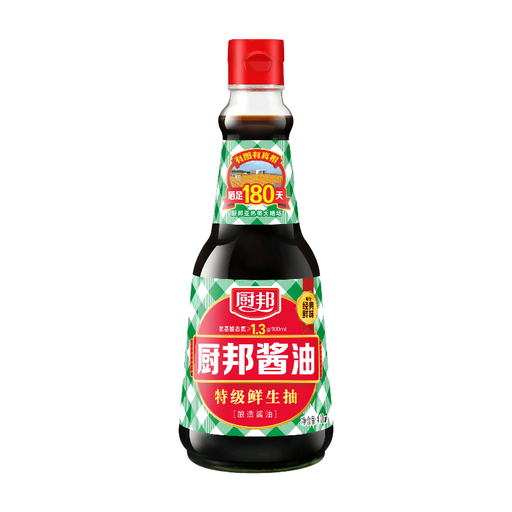
Why it suits this type of user: The 410-millilitre size is manageable if you want to make simple stir-fries, marinades and dipping sauces at home without buying a large bottle.
The smaller pack helps reduce waste and makes it easier to work out how much light soy sauce you actually use.
410 ml; suitable for cold dishes, dips, stir-frying and stewing; soy and wheat are listed as allergens.
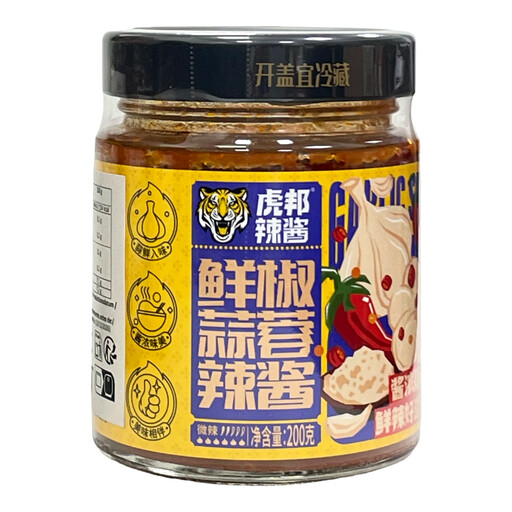
Why it suits this type of user: According to the ingredients list, this chilli sauce combines 50% chilli pepper with garlic, vinegar and yellow bean sauce. Use it in noodles, marinades and dips.
The chilli and garlic content is clearly stated, so you don’t have to judge it by the product’s spicy-sounding name alone.
200 g; chilli pepper is the first ingredient; according to the product information, refrigerate at 1–5 °C after opening.
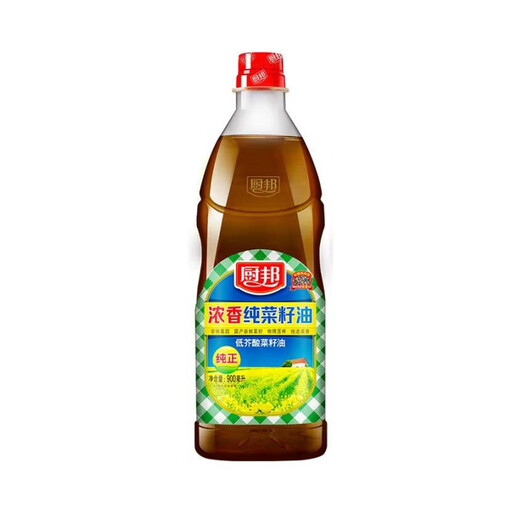
Why it suits this type of user: The 900 ml bottle is designed for regular wok cooking, frying, deep-frying and making chilli oil, such as in a busy household or small kitchen.
The product description lists several cooking methods, helping you choose an oil to suit your wok, frying pan or deep-fat fryer.
100% rapeseed oil; 900 ml; according to the product information, suitable for stir-frying, deep-frying and dressings.
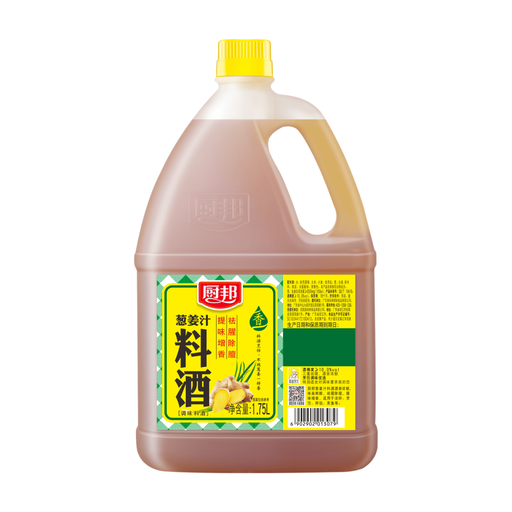
Why it suits this type of user: This cooking wine is intended for marinading, stir-frying and stewing. According to the product information, it contains 15% rice wine, 0.5% ginger and 0.5% spring onion.
Its purpose is clearly defined: this is a cooking ingredient for marinades and other dishes, not a substitute for soy sauce or chilli sauce.
1.75 litres; made with rice wine, ginger and spring onion; wheat is listed as an allergen.
We’ve put together a complete, up-to-date list of products that meet these strict selection criteria and the applicable European safety regulations.
Light soy sauce is a practical staple for stir-fries, marinades and dips. Check the salt content and add it gradually. For extra heat, add a small amount of Chinese chilli sauce.
According to the product description, peanut oil has a distinctive nutty aroma and contains peanut, an allergen. Maize oil has a more neutral flavour for everyday cooking. Rapeseed oil is marketed for uses including stir-frying, deep-frying, dressings and making chilli oil. The right choice depends on the aroma you prefer, how you’ll use it and any allergies.
Always follow the label. Unopened bottles should generally be stored in a cool, dry place out of direct sunlight. Some sauces need to be refrigerated after opening, while others should be used promptly according to the product information. Close the packaging securely, and check the smell, colour and use-by date before using the product.
