
Vandaag of morgen in huis

Kwaliteit gegarandeerd

Welkomstaanbiedingen ontgrendelen: GRATIS bezorging | Tot 80% korting | Gratis 30 dagen JoyPlus-proefperiode
Download de app
When buying Chinese sauces and seasonings, you usually want to add more flavour quickly to noodles, stir-fries, meat or stews. Yet the range often looks simpler than it really is. A wok sauce, Chinese barbecue sauce or spice blend can vary considerably in sweetness, salt content, use and shelf life.
This guide helps you compare products using verifiable information, so you are less likely to buy a jar that does not suit your cooking style.
A 907-gram bottle may seem appealing for frequent users, but it is not right for everyone. Oyster sauce, hoisin sauce and other seasonings often need to be refrigerated after opening. If you only use a spoonful occasionally, a smaller pack may be more practical.
So pay attention to:
Terms such as authentic Asian sauces or traditional flavour are often used as marketing language. It is better to look at the ingredients. For example, an oyster sauce may state the percentage of oyster extract, while a mushroom sauce may specify the proportion of mushrooms.
The first ingredients are also relevant in char siu sauce and Peking duck sauce. If sugar appears near the top of the list, the emphasis is probably on a sweeter glaze. A sauce containing fermented beans, soy sauce, garlic or spices will have a different flavour profile.
Some products can be used straight away as a dip or topping. Others are intended as a marinade or need to be cooked with the dish. For example, a barbecue sauce may first need to be diluted with water, while a ready-to-use hoisin sauce can be served immediately with spring rolls or pancakes.
So always check whether the sauce is suitable for dipping, marinating, wok cooking, stir-frying or stewing.
Choose a product based on the dishes you make most often:
Also check whether the product needs to be heated. For example, Xiaoyeqingzhu Lazy Seasoning for Braised Sauce 50g is intended to be cooked with the dish. The instructions mention braised spare ribs, chicken wings and noodle soup, among other dishes.
Many Chinese sauces contain soya and wheat, while some also contain sesame, oyster or other crustaceans/molluscs. Check the label if you need to avoid these ingredients.
Salt and sugar levels can vary considerably:
These values are not directly comparable, because you will often use less of a spice blend than a sauce. Use the nutritional table mainly to match your choice to your recipe and eating habits. Avoid broad health claims; the product composition provides the practical information.
A sachet of spice blend can last a long time if you regularly make stews. The Zhanyi Aromatic Braising Seasoning Mix 150 gram recommends one sachet for approximately 1 to 1.5 litres of water. Wang Shou Yi 13 Spice Braising Seasoning comes as five 24-gram portions.
For smaller households, jars of 200 to 400 grams are often easier to manage. Frequent users may benefit from a 907-gram pack, such as the Lee Kum Kee Panda Brand Oyster Sauce. After opening, the product information says it should be used immediately after preparation; always check the packaging for your particular situation.
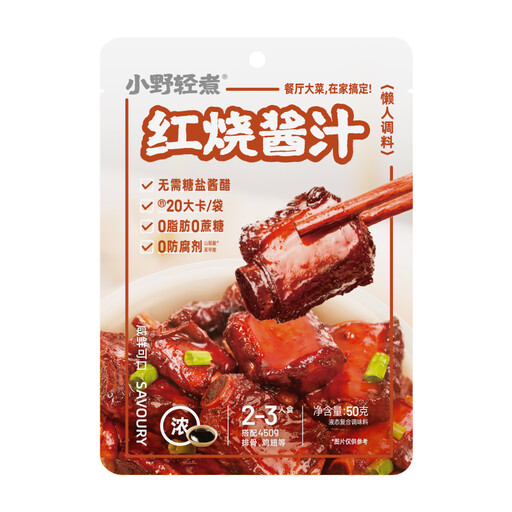
Why it suits this profile: The small pack is ideal for anyone who wants to try Chinese braising sauce at home without immediately building up a large supply.
The instructions provide precise quantities of water and cooking times, so you do not have to rely solely on a vague promise of flavour.
50 grams; according to the ingredients list, contains 46.2% brewed soy sauce; suitable for spare ribs, chicken wings and noodle soup.
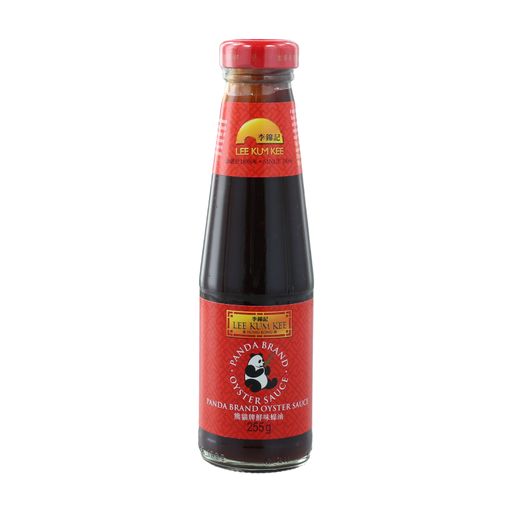
Why it suits this profile: Ideal for cooks looking for one versatile seasoning to use in wok dishes, marinades and dips.
The label states the percentage of oyster extract, allergens and nutritional values. This allows you to compare the sauce by its contents rather than by brand name alone.
255 grams; according to the product information, contains 3% oyster extract; suitable for stir-fries, marinades and dips.
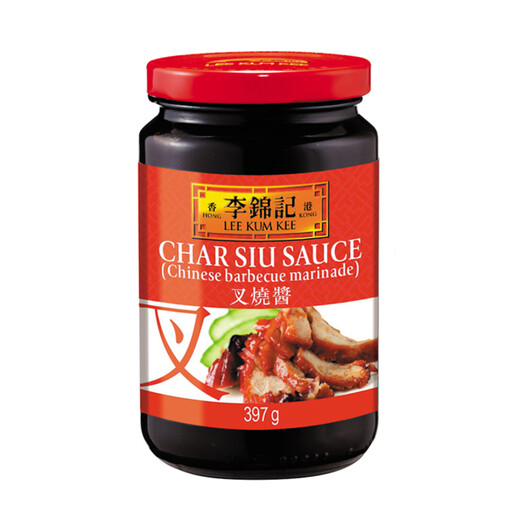
Why it suits this profile: A natural choice for anyone who regularly makes char siu, marinated pork, chicken or grilled dishes.
The product information describes marinating and glazing separately. This makes it clear that the meat still needs to be cooked thoroughly.
397 grams; suitable for the oven, air fryer, grill and frying pan; the stated guideline uses 70–100 grams of sauce per 500 grams of pork.
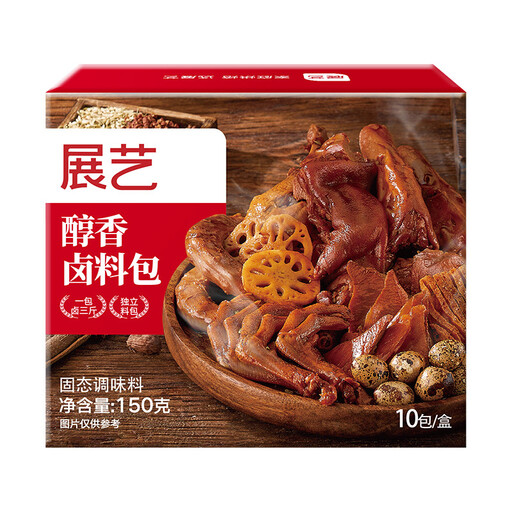
Why it suits this profile: Useful for anyone who wants to prepare braised meat, tofu, eggs or vegetables with a consistent blend of Chinese spices.
The blend contains a specified list of spices, including star anise, cinnamon, Sichuan pepper and dried orange peel. The dosage is stated in the usage instructions.
150 grams; one sachet for approximately 1–1.5 litres of water; no allergens listed, but there is a warning about liquorice.
We have put together a complete, up-to-date list of products that fully meet these strict selection criteria and the applicable European safety regulations.
For a quick meal with noodles or vegetables, combine oyster sauce with garlic, ginger and a little water. Hoisin sauce works well as a dip or as the base for a sweet and savoury wok sauce. For Peking duck, Peking duck sauce, pancakes and fresh spring onion make a practical combination.
If you want to prepare meat, choose a specific Chinese barbecue sauce. A spare ribs sauce is designed to create a sweet, sticky coating, while char siu sauce is particularly suited to roast meat. For stews, you can use a five-spice blend or a spice blend for braised dishes, adjusting the intensity with extra water, soy sauce or stock.
Hoisin sauce is generally thicker and sweeter, with fermented soya beans as an important ingredient. Oyster sauce is usually savoury and rich in umami, and is often used in stir-fries, marinades and sauces. Always check the ingredients list, as recipes and formulations vary between brands.
Store an opened sauce according to the label. Many products recommend refrigeration after opening and keeping the container tightly sealed. Use a clean spoon and check the smell, colour and texture. The information on the packaging remains the definitive guide to shelf life.
For char siu, a specific char siu sauce is practical as a marinade and glaze. For Peking duck, Peking duck sauce works well as a dip with pancakes and meat. Hoisin sauce can also be used with roast dishes and dumplings, but it often has a distinctly sweet and savoury profile.
