
Vandaag of morgen in huis

Kwaliteit gegarandeerd

Welkomstaanbiedingen ontgrendelen: GRATIS bezorging | Tot 80% korting | Gratis 30 dagen JoyPlus-proefperiode
Download de app
A good hotpot or stir-fry stands or falls on the right flavouring. Yet the range of Chinese sauces and hotpot seasonings is vast. Names like Sichuan, hot & spicy and restaurant-style don’t always tell you enough about what’s inside. If you choose based only on the packaging or brand name, you could end up with a sauce that’s too salty, doesn’t suit the dish, or needs using up quickly once opened.
This guide helps you compare with confidence. You’ll learn what to look for in a Haidilao hotpot base, a hotpot dipping sauce, a Chinese cooking sauce and classic flavourings such as oyster sauce, hoisin sauce and Pixian doubanjiang.
A red packet or words like “spicy” don’t automatically mean a sauce has complex flavour. A spicy hotpot base can be mostly oil, chilli and salt. For Sichuan dishes, you also want to look for ingredients such as Sichuan pepper, fermented bean paste, garlic, ginger and spices.
If you’re cooking a mild meal for the family, it’s better to choose a clear or savoury base. A punchy base is most practical when you want to make a bold pot with meat, tofu, mushrooms and noodles.
A sachet of 110 or 120 grams may look small, but it could be intended for one pot with a specific amount of water. The Haidilao Hot Pot Soup Base – Broth Flavor (110 g) is mixed with around 1,200 ml of water according to the product instructions. The hot & sour base (125 g) calls for roughly 500–600 ml of water according to the label.
If you use too little water, the broth can become overwhelmingly salty. If you use too much, the aroma becomes less distinct. Always check the preparation method rather than just looking at the weight.
Chinese sauces often contain soya, wheat, sesame, crustaceans or molluscs. This applies, for example, to some hotpot bases, dipping sauces and oyster sauces. Lee Kum Kee Panda Oyster Sauce contains oyster extract and wheat according to the product information. The Haidilao Three Delicacies Hot Pot Base lists sulphites, sesame and crustaceans among its allergens.
Salt content also varies widely. The broth base from Haidilao states 15.3 g of salt per 100 g, while the Haidilao Spicy Hot Pot Seasoning states 15.5 g. That doesn’t mean you should avoid the product, but it does mean that measuring and diluting are important.
First, distinguish between these categories:
A ready-to-use hotpot dipping sauce is handy for a shared table, whereas Pixian doubanjiang needs to be fried in oil first to release its aroma. The product information from Juan Cheng lists broad beans and chilli as main ingredients and advises heating the paste before use.
Choose based on the dish:
Bear in mind that brand descriptions sometimes include flavour or quality claims. According to Haidilao’s own product information, some bases are inspired by Sichuan style; check the ingredients list, nutritional values and preparation method yourself for an objective comparison.
Many sauces need to be refrigerated after opening. According to the product information, this applies, for example, to the spicy Haidilao dipping sauce, Lee Kum Kee Black Pepper Sauce and Lee Kum Kee Black Bean Garlic Sauce. The 110 g broth base must be chilled after opening and used within two days according to the instructions.
Also check the packaging for damage or swelling. Do not use a product if the packaging is bloated. The exact shelf life is on the label; it can vary from pack to pack.
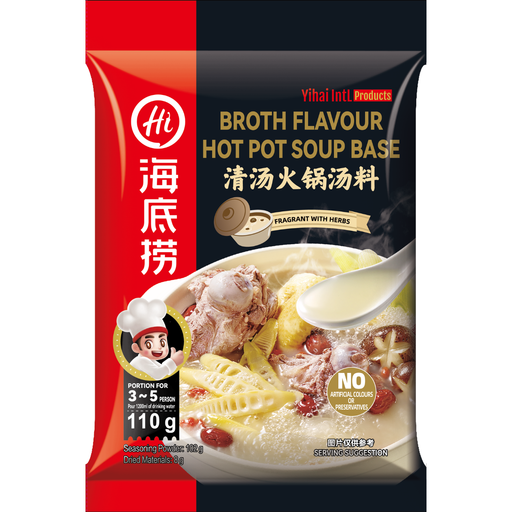
Why it suits this profile: According to the product instructions, this base is suitable for around 1,200 ml of water and requires little preparation. That makes it practical for a first hotpot or a mild soup meal.
The stated water quantity helps prevent the broth from becoming too concentrated. Do check the high salt content on the label.
110 g; contains coconut powder, red date and goji berry according to the product information; also suitable for yam and pork soup.
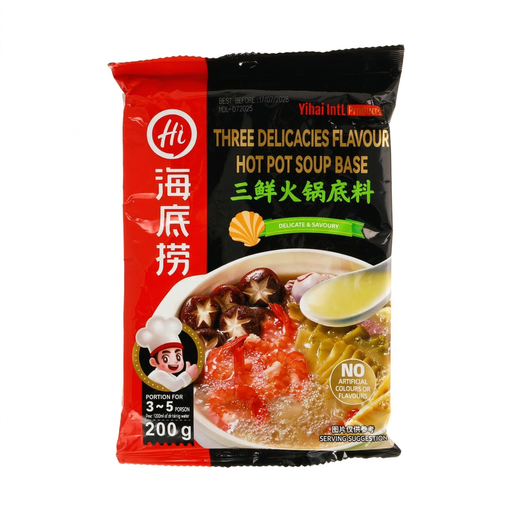
Why it suits this profile: The mild, savoury composition suits a table with a range of preferences. According to the product description, the base contains pickled mustard stem, kelp and shiitake among other ingredients.
The flavour isn’t focused solely on chilli. As a result, vegetables, meat, tofu and noodles remain more distinct.
200 g; intended for 1–1.5 litres of boiling water; contains sesame and crustaceans as allergens according to the label.
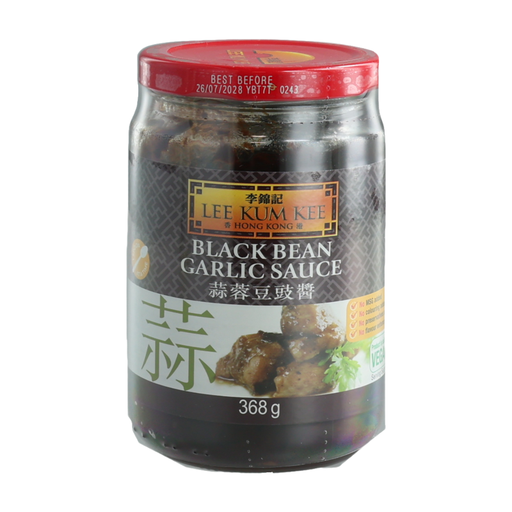
Why it suits this profile: This black bean sauce is designed for stir-fries, steamed dishes and marinades. It suits cooks who want one flavouring for multiple uses.
The application is clearly described. You’re not buying a simple chilli sauce, but a prepared combination of fermented black beans, garlic and soya sauce.
368 g; ready to use as a flavouring; suitable for stir-frying, steamed dishes and marinating; contains soya and wheat.
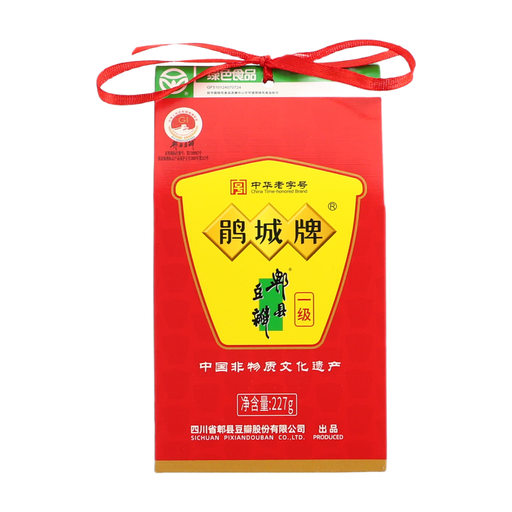
Why it suits this profile: Pixian doubanjiang is suitable for mapo tofu, twice-cooked pork and homemade hotpot bases. The paste requires a bit more cooking attention, but gives you control over quantity and intensity.
You can adjust the amount yourself rather than being stuck with one pre-mixed flavour strength. Fry the paste in oil first according to the product instructions.
227 g; contains 45% broad beans and 30% chilli according to the product information; suitable for Sichuan dishes and hotpot.
We’ve put together a full, up-to-date list of products that fully meet these strict selection criteria and comply with current European safety regulations.
First, read the ratio on the packet. Add the base to water or stock, bring it to the boil and then add vegetables, tofu, meat, fish or noodles. Use separate spoons for allergies and check whether the base contains soya, wheat, sesame, crustaceans or other allergens.
A hotpot base forms the broth in which you cook your ingredients. A hotpot dipping sauce is served separately at the table. It can consist of, for example, sesame paste, chilli, fermented soya and Sichuan pepper. A dipping sauce is usually ready to eat; a soup base generally needs to be heated.
This varies by product. Store opened sauces and seasoning pastes according to the label, usually chilled and tightly sealed. Make a note of the opening date if you like. With oil-based hotpot bases, pay extra attention to smell, colour, packaging and the stated use-by period.
