
Vandaag of morgen in huis

Kwaliteit gegarandeerd

Welkomstaanbiedingen ontgrendelen: GRATIS bezorging | Tot 80% korting | Gratis 30 dagen JoyPlus-proefperiode
Download de app
A bottle of Chinese sauce might seem like a straightforward purchase, but the difference between a useful store-cupboard staple and a disappointing buy often comes down to small details. A sauce can be too salty for everyday use, not suit the dish you want to make, or quickly lose its flavour and texture once opened.
For home cooks, fans of Asian cuisine and expats in the Netherlands, there are three common pitfalls to watch out for:
The ingredients list tells you more than the front of the label. For Chinese soy sauce, water, soya beans, wheat and salt are common ingredients. According to the product information, Lee Kum Kee Premium Light Soy Sauce contains non-GM defatted soya beans, wheat, salt, sugar and yeast extract. This product contains soya and gluten-containing cereals.
With oyster sauce, you need to pay extra attention to shellfish. Lee Kum Kee Panda Oyster Sauce lists 3% oyster extract and contains oyster and wheat. An alternative with a different composition is Amoy Premium Oyster Sauce, whose product information states an oyster extract content of 2%.
Always check the current label, especially if you have a food allergy. Also look out for warnings about possible cross-contamination.
The application determines which Chinese sauce makes sense:
A sauce for stir-fries also needs to withstand heat. A pure dipping sauce is best used at the end, so its aroma and texture are preserved.
Chinese sauces are usually used in small amounts, but they can still contain a lot of salt or sugar. The product information for Lee Kum Kee Premium Light Soy Sauce, for example, states 18g of salt per 100ml. For Lee Kum Kee Panda Oyster Sauce, that figure is 29.5g of salt per 100g. That doesn’t mean you should avoid the sauce, but it does mean a small amount is often enough.
Also check the size. A 500ml bottle is practical if you stir-fry often, while a 200g to 280g jar can be more convenient for occasional use. Many products recommend refrigeration after opening. Always follow the instructions on the packaging and do not use a product if the packaging is damaged.
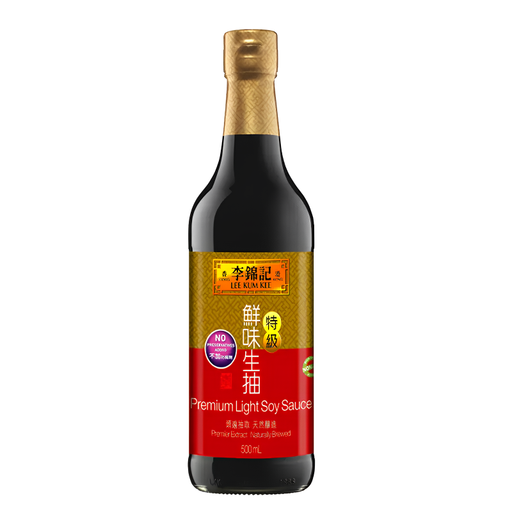
Why this fits the profile: A versatile base for anyone starting out with just one bottle. Use it for stir-fries, marinades, noodles and dips.
The product information provides a clear ingredients list, allergens and usage applications. This means you won’t buy a sauce without knowing what it’s suitable for.
500ml content; made with soya beans and wheat; suitable for cooking, marinating and dipping.
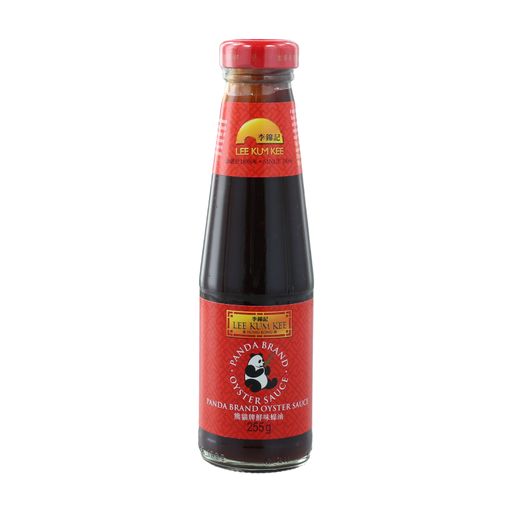
Why this fits the profile: Ideal for anyone specifically looking for a rich, savoury flavour in stir-fries, marinades and Chinese sauces.
The percentage of oyster extract and the allergens are listed in the product information. This allows you to compare sauces based on composition rather than just brand image.
255g content; 3% oyster extract according to product data; suitable for stir-frying, marinating and dipping.
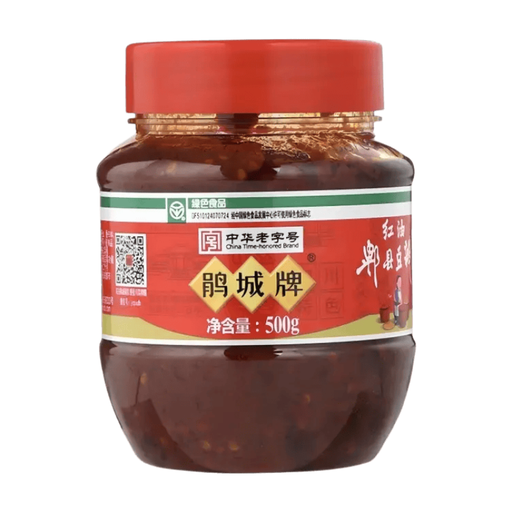
Why this fits the profile: A targeted choice for fans of spicy Sichuan flavours, noodles, marinades and powerful stir-fry sauces.
The product description clearly states it is Pixian bean paste with chilli oil. This makes the flavour direction much easier to judge in advance than with a general stir-fry sauce.
500g content; suitable for stir-frying, noodles, dips and marinades; contains chilli, broad beans and rapeseed oil.
Start with one tablespoon of sauce per portion for stir-fries, then taste. Add soy sauce during cooking where possible, while chilli oil and chilli sauce can also be used as a finishing touch. Hoisin sauce works well as a dipping sauce for dumplings or as a glaze, but according to the product information, different varieties contain soya, wheat and sesame.
For char siu, use a dedicated char siu sauce. The product instructions for Lee Kum Kee Char Siu Sauce recommend 70 to 100g of sauce for 500g of pork, followed by marinating and glazing during cooking. Always check that the meat is fully cooked through.
We’ve put together a full, up-to-date list of products that fully meet these strict selection criteria and comply with current European safety regulations.
For a simple base, you can use light soy sauce. Oyster sauce adds a thicker, savoury flavour. For heat, choose chilli sauce, chilli oil or bean paste. Check the ingredients if you’re looking for a vegetarian or allergen-free option.
This varies by product. Many sauces need to be refrigerated after opening. Store jars and bottles tightly sealed, use clean utensils, and follow the date and storage instructions on the packaging. The stated shelf life is no substitute for checking the smell, colour and texture.
Many varieties can be used directly as a dipping sauce, including soy sauce, hoisin sauce, chilli sauce and some bean pastes. Oyster sauce is usually concentrated and is often diluted or combined with other ingredients. Always check the usage advice on the label.
